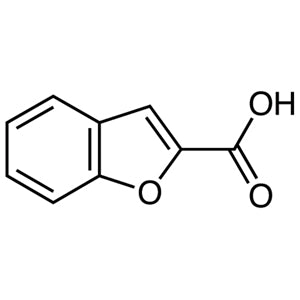
2-Butyl-3-(4-hydroxy-3,5-diiodobenzoyl)benzofuran is a complex chemical compound widely used in pharmaceutical research and drug development. This compound plays a vital role in the synthesis of active pharmaceutical ingredients, serving as a building block for the creation of novel therapeutic agents. Its unique molecular structure makes it a valuable tool for researchers aiming to design molecules with specific biological targets. In laboratory settings, it is often employed in the early stages of drug discovery to explore potential therapeutic applications across various disease areas.
The compound’s molecular structure features iodine and hydroxyl groups, which contribute to its reactivity and versatility in chemical reactions. These functional groups enable it to participate in a range of synthetic pathways, making it a preferred choice for medicinal chemists. The presence of a benzofuran ring further enhances its stability, allowing it to be used under diverse experimental conditions. This combination of reactivity and structural integrity makes it a reliable reagent for advanced pharmaceutical research.
In Indonesian laboratories, this compound is commonly used by researchers in academic institutions and research organizations. It is frequently involved in projects related to drug development, particularly in the fields of neurology and metabolic disorders. Its application is supported by government and international funding, making it a key component in the country’s scientific research initiatives.
Related TCI products
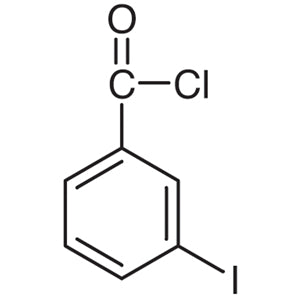
- TCI I0720 1711-10-0 3-Iodobenzoyl Chloride
- TCI I0508 1711-02-0 4-Iodobenzoyl Chloride
- TCI I0402 609-67-6 2-Iodobenzoyl Chloride
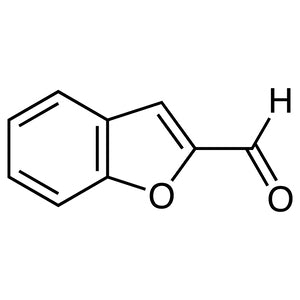
- TCI B5282 4265-16-1 Benzofuran-2-carbaldehyde
- TCI B4522 317830-83-4 Benzofuran-3-boronic Acid (contains varying amounts of Anhydride)
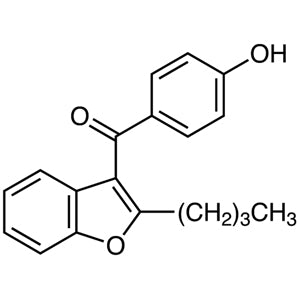
- TCI B3339 52490-15-0 2-Butyl-3-(4-hydroxybenzoyl)benzofuran
- Pharmaceutical Development: This compound is ideal for synthesizing new drug candidates due to its structural versatility and reactivity.
- Drug Discovery Research: It supports the identification of potential therapeutic agents by enabling the creation of targeted molecular structures.
- Organic Synthesis: Its functional groups make it suitable for complex chemical reactions in the development of active pharmaceutical ingredients.
- Neurological Research: The compound is used to explore molecular mechanisms related to neurological disorders and potential treatments.
- Metabolic Disease Studies: It plays a role in investigating compounds that may influence metabolic pathways and disease progression.
| Brand | TCI |
|---|---|
| CAS number | 1951-26-4 |
| Molecular formula | — |
| Purity | — |
| Category | Chemistry > Pharmaceutical Development and Drug Discovery Research Reagents > Building Blocks for Pharmaceutical Ingredients |
| Pack sizes | Available in various quantities as per standard laboratory supply |
| Physical form | Solid (exact form may vary depending on supplier) |
| Storage | Store in a cool, dry place away from light |
This compound should be stored in a cool, dry environment, away from direct sunlight and moisture. It is recommended to use airtight containers to prevent contamination and maintain its chemical integrity. Due to its reactivity, it should be handled with appropriate personal protective equipment, including gloves and safety goggles. In laboratory settings, it is important to ensure proper ventilation when working with this material. Avoid exposure to incompatible substances, and always follow standard safety protocols for chemical handling. Proper storage and handling will help preserve the compound’s effectiveness and ensure safe usage in research applications.
—
Product Categories
Produk Terkait
-
3-IodobenzoylChloride TCI I0720
Regular price From Rp 1.776.600,00Regular priceRp 1.257.900,00Sale price From Rp 1.776.600,00 -
4-IodobenzoylChloride TCI I0508
Regular price From Rp 1.829.100,00Regular priceRp 1.294.650,00Sale price From Rp 1.829.100,00 -
2-IodobenzoylChloride TCI I0402
Regular price From Rp 2.439.150,00Regular priceRp 1.720.950,00Sale price From Rp 2.439.150,00 -
Benzofuran-2-carbaldehyde TCI B5282
Regular price From Rp 1.246.350,00Regular priceRp 887.250,00Sale price From Rp 1.246.350,00 -
Benzofuran-3-boronicAcid(containsvaryingamountsofAnhydride) TCI B4522
Regular price Rp 3.658.200,00Regular priceRp 2.573.550,00Sale price Rp 3.658.200,00 -
2-Butyl-3-(4-hydroxybenzoyl)benzofuran TCI B3339
Regular price Rp 4.902.450,00Regular priceRp 3.444.000,00Sale price Rp 4.902.450,00 -
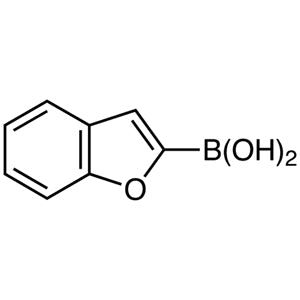
Benzofuran-2-boronicAcid(containsvaryingamountsofAnhydride) TCI B2978
Regular price Rp 1.087.800,00Regular priceRp 775.950,00Sale price Rp 1.087.800,00 -
Benzofuran-2-carboxylicAcid TCI B1981
Regular price From Rp 717.150,00Regular priceRp 516.600,00Sale price From Rp 717.150,00