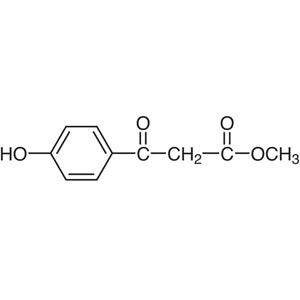
2-Butyl-3-(4-hydroxybenzoyl)benzofuran is a versatile organic compound widely used in laboratory settings for its unique chemical structure and reactivity. This compound is a key building block in the synthesis of complex heterocyclic compounds, making it essential for researchers in organic chemistry and pharmaceutical development. Its molecular framework combines a benzofuran ring with a 4-hydroxybenzoyl group and a butyl chain, offering a wide range of chemical functionalities that can be modified through various synthetic pathways. This versatility makes it a valuable tool for creating new compounds with specific biological or chemical properties.
The compound is prized for its chemical stability under controlled conditions, as well as its high reactivity in targeted chemical reactions. Its ability to participate in substitution and condensation reactions makes it ideal for applications requiring precise molecular modifications. Additionally, its sensitivity to moisture and UV light necessitates careful handling and storage, which further highlights its importance in specialized laboratory environments. These properties make it a preferred choice for researchers aiming to explore new synthetic routes and functional group transformations.
In Indonesian laboratories, this compound is commonly used in scientific research related to pharmacology, synthetic chemistry, and polymer science. Its role in the development of new drugs and advanced materials underscores its significance in both academic and industrial research settings. The compound’s unique structure and reactivity make it a key component in experiments that require high chemical specificity and functional versatility.
Related TCI products
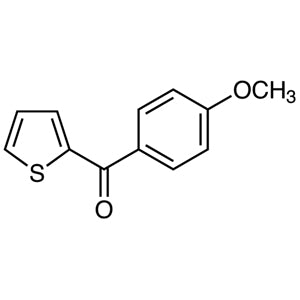
- TCI M2395 4160-63-8 2-(4-Methoxybenzoyl)thiophene
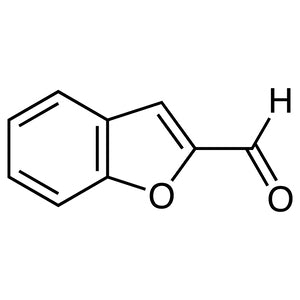
- TCI B5282 4265-16-1 Benzofuran-2-carbaldehyde
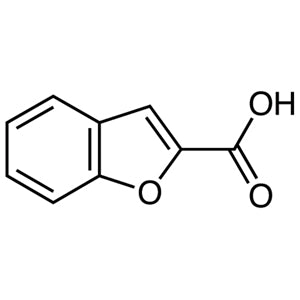
- TCI B1981 496-41-3 Benzofuran-2-carboxylic Acid
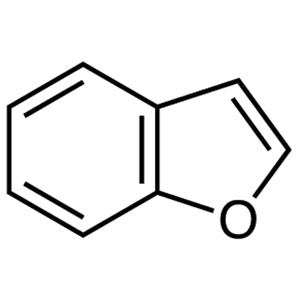
- TCI B0060 271-89-6 2,3-Benzofuran
- TCI A1966 84102-58-9 5-Amino-2-(4-aminophenyl)benzofuran
- TCI H1706 302776-68-7 Hexyl 2-[4-(Diethylamino)-2-hydroxybenzoyl]benzoate
- Organic synthesis applications benefit from this compound’s ability to participate in substitution and condensation reactions, enabling the creation of complex heterocyclic structures.
- Pharmaceutical research utilizes its unique molecular framework to develop new drug candidates with targeted biological activities.
- Polymer science experiments leverage its chemical reactivity to modify polymer chains and create advanced materials with specific properties.
- Analytical chemistry studies use it as a reference standard for identifying and quantifying similar compounds in complex mixtures.
- Environmental research incorporates it to study the behavior of organic pollutants in various chemical environments.
| Brand | TCI |
|---|---|
| CAS number | 52490-15-0 |
| Molecular formula | — |
| Purity | — |
| Category | Chemistry > Building Blocks > Heterocyclic Building Blocks |
| Pack sizes | Available in various quantities as per supplier specifications |
| Physical form | Solid, typically in crystalline or powder form |
| Storage | Store in a cool, dry place away from light and moisture |
This compound should be stored in a cool, dry environment, away from direct sunlight and sources of moisture to prevent degradation. It is recommended to use airtight, light-resistant containers to maintain its chemical integrity. Due to its sensitivity to UV light and humidity, it is important to handle it in a controlled laboratory setting with appropriate protective equipment. Avoid exposure to air and moisture during handling to ensure its stability and effectiveness in chemical reactions. Proper storage and handling are essential to preserve its reactivity and ensure safe use in laboratory applications.
—
Produk Terkait
-
2-(4-Methoxybenzoyl)thiophene TCI M2395
Regular price Rp 955.500,00Regular priceRp 683.550,00Sale price Rp 955.500,00 -
Benzofuran-2-carbaldehyde TCI B5282
Regular price From Rp 1.246.350,00Regular priceRp 887.250,00Sale price From Rp 1.246.350,00 -
Benzofuran-2-carboxylicAcid TCI B1981
Regular price From Rp 717.150,00Regular priceRp 516.600,00Sale price From Rp 717.150,00 -
2,3-Benzofuran TCI B0060
Regular price From Rp 848.400,00Regular priceRp 609.000,00Sale price From Rp 848.400,00 -
5-Amino-2-(4-aminophenyl)benzofuran TCI A1966
Regular price Rp 3.285.450,00Regular priceRp 2.313.150,00Sale price Rp 3.285.450,00 -
Hexyl2-[4-(Diethylamino)-2-hydroxybenzoyl]benzoate TCI H1706
Regular price From Rp 1.140.300,00Regular priceRp 812.700,00Sale price From Rp 1.140.300,00 -
Methyl(4-Hydroxybenzoyl)acetate TCI H0828
Regular price From Rp 4.531.800,00Regular priceRp 3.184.650,00Sale price From Rp 4.531.800,00 -
2-(4-Diethylamino-2-hydroxybenzoyl)benzoicAcid TCI D2140
Regular price From Rp 1.431.150,00Regular priceRp 1.016.400,00Sale price From Rp 1.431.150,00