N-Benzoyl-L-glutamic acid is a chemical compound widely used in laboratory settings for its versatility in chemical reactions and molecular synthesis. As a derivative of glutamic acid, it plays a crucial role in peptide chemistry and biochemical research. This compound is commonly utilized in the development of complex molecules, particularly in the fields of medicinal chemistry and biotechnology. Its structural features allow for controlled chemical modifications, making it an essential reagent in various synthetic pathways.
The compound is known for its chemical stability and controlled reactivity, which are key factors in its popularity among researchers. Its ability to form stable bonds with functional groups such as amines and hydroxyls enhances its applicability in a wide range of chemical transformations. These properties make it an ideal choice for applications requiring precision and reproducibility. Additionally, its resistance to degradation ensures long-term storage and repeated use without significant loss of activity.
In Indonesian laboratories, N-Benzoyl-L-glutamic acid is frequently used in peptide synthesis, molecular modification, and drug development projects. It is a common component in research conducted by academic institutions and research centers across the country. Its reliability and consistent performance make it a preferred material for scientists working on advanced biochemical and pharmaceutical studies.
TCI brochures (PDF)
- Amino Acids and Peptide Synthesis Reagents 2025-08-14 · p. 16
Related TCI products
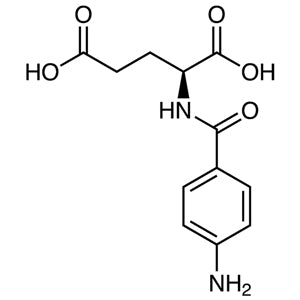
- TCI A0442 4271-30-1 N-(4-Aminobenzoyl)-L-glutamic Acid
- TCI B2987 34404-28-9 N-(tert-Butoxycarbonyl)-D-glutamic Acid
- TCI P0338 6349-98-0 Phthalyl-DL-glutamic Acid
- TCI F0453 121343-82-6 N-[(9H-Fluoren-9-ylmethoxy)carbonyl]-L-glutamic Acid
- TCI C0734 1155-62-0 N-Benzyloxycarbonyl-L-glutamic Acid
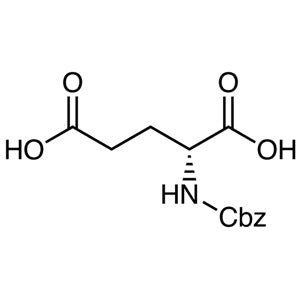
- TCI C0663 63648-73-7 N-Carbobenzoxy-D-glutamic Acid
- Peptide Synthesis: This compound is ideal for constructing peptide sequences due to its functional groups that facilitate coupling reactions.
- Molecular Modification: Its reactive sites allow for the creation of modified molecules with tailored properties for specific applications.
- Drug Development: It is used in the synthesis of pharmaceutical compounds, contributing to the design of new therapeutic agents.
- Biochemical Research: Its role in mimicking natural amino acids makes it valuable for studying protein structures and enzyme mechanisms.
- Analytical Chemistry: It serves as a standard in chromatographic and spectroscopic analyses for identifying and quantifying compounds.
| Brand | TCI |
|---|---|
| CAS number | 6094-36-6 |
| Molecular formula | — |
| Purity | — |
| Category | Chemistry > Chemical Biology > Peptide Chemistry |
| Pack sizes | Available in various quantities as per standard laboratory supply |
| Physical form | Solid powder |
| Storage | Store in a cool, dry place away from moisture and direct sunlight |
N-Benzoyl-L-glutamic acid should be stored in a cool, dry environment to maintain its chemical stability. It is recommended to keep it in a sealed container to prevent exposure to moisture and air, which could affect its reactivity. The compound should be stored away from strong acids and bases to avoid unwanted chemical interactions. In a laboratory setting, it is important to handle the material with appropriate personal protective equipment, such as gloves and safety goggles, to ensure safe handling. Proper labeling of storage containers is essential for identifying the compound and ensuring safe access. Regular inspection of storage conditions is advised to maintain the integrity of the compound over time.
—
Product Categories
Produk Terkait
-
N-(4-Aminobenzoyl)-L-glutamicAcid TCI A0442
Regular price From Rp 1.140.300,00Regular priceRp 812.700,00Sale price From Rp 1.140.300,00 -
N-(tert-Butoxycarbonyl)-D-glutamicAcid TCI B2987
Regular price From Rp 1.351.350,00Regular priceRp 960.750,00Sale price From Rp 1.351.350,00 -
Phthalyl-DL-glutamicAcid TCI P0338
Regular price From Rp 1.246.350,00Regular priceRp 887.250,00Sale price From Rp 1.246.350,00 -
N-[(9H-Fluoren-9-ylmethoxy)carbonyl]-L-glutamicAcid TCI F0453
Regular price From Rp 557.550,00Regular priceRp 405.300,00Sale price From Rp 557.550,00 -
N-Benzyloxycarbonyl-L-glutamicAcid TCI C0734
Regular price From Rp 2.279.550,00Regular priceRp 1.609.650,00Sale price From Rp 2.279.550,00 -
N-Carbobenzoxy-D-glutamicAcid TCI C0663
Regular price From Rp 1.087.800,00Regular priceRp 775.950,00Sale price From Rp 1.087.800,00 -
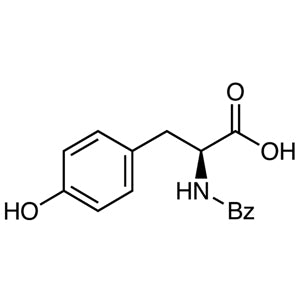
N-Benzoyl-L-tyrosine TCI B1911
Regular price From Rp 3.312.750,00Regular priceRp 2.332.050,00Sale price From Rp 3.312.750,00 -
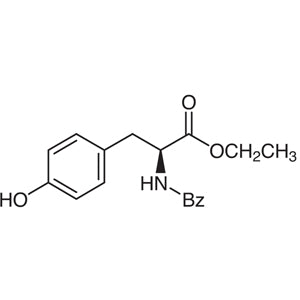
N-Benzoyl-L-tyrosineEthylEster TCI B1140
Regular price Rp 557.550,00Regular priceRp 405.300,00Sale price Rp 557.550,00