N-(tert-Butoxycarbonyl)-D-glutamic Acid is a chemical compound widely used in peptide chemistry and organic synthesis within laboratory settings. It serves as a key building block in the synthesis of peptides, proteins, and bioactive compounds, playing a crucial role in the development of pharmaceuticals and biochemical research. Its unique structure enables it to participate in controlled chemical reactions, making it an essential reagent for researchers aiming to create complex molecular structures. This compound is particularly valuable in the field of chemical biology due to its ability to be selectively modified during synthesis processes.
The compound’s stability under specific conditions and the presence of the tert-butoxycarbonyl (Boc) group contribute to its effectiveness as a reagent. The Boc group allows for precise control over reaction conditions, ensuring that the desired chemical transformations occur without unwanted side reactions. Its solid form and clear chemical structure also make it easy to handle and store, which is critical for maintaining the integrity of laboratory experiments. These properties make it a preferred choice for laboratories requiring high-quality, reliable chemical reagents.
In Indonesian laboratories, N-(tert-Butoxycarbonyl)-D-glutamic Acid is commonly used in biochemical, pharmacological, and food chemistry research. It is a staple in academic and industrial research settings, supporting the development of new therapeutic agents and functional food ingredients. Its versatility and reliability make it an essential component in the toolkit of researchers working on innovative chemical and biological projects.
TCI brochures (PDF)
- Amino Acids and Peptide Synthesis Reagents 2025-08-14 · p. 13
Related TCI products
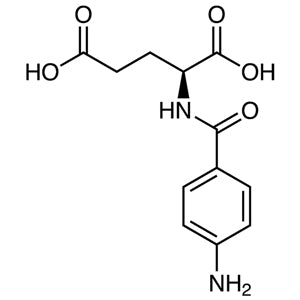
- TCI A0442 4271-30-1 N-(4-Aminobenzoyl)-L-glutamic Acid
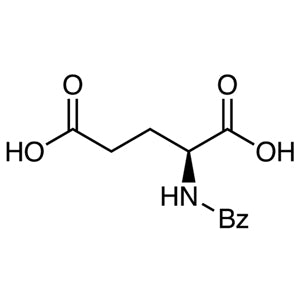
- TCI B0202 6094-36-6 N-Benzoyl-L-glutamic Acid
- TCI P0338 6349-98-0 Phthalyl-DL-glutamic Acid
- TCI F0453 121343-82-6 N-[(9H-Fluoren-9-ylmethoxy)carbonyl]-L-glutamic Acid
- TCI C0734 1155-62-0 N-Benzyloxycarbonyl-L-glutamic Acid
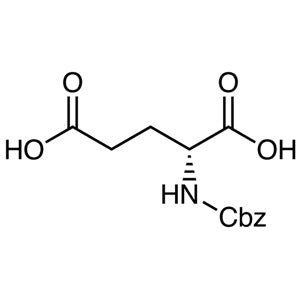
- TCI C0663 63648-73-7 N-Carbobenzoxy-D-glutamic Acid
- Peptide Synthesis: This compound is ideal for peptide synthesis due to its ability to participate in controlled chemical reactions, enabling the creation of complex peptide structures with high specificity.
- Bioactive Compound Development: Its use in synthesizing bioactive compounds supports research in pharmaceutical and biotechnology fields, where precise molecular structures are essential.
- Protein Engineering: The compound's role in organic synthesis makes it a valuable tool in protein engineering, aiding in the design of synthetic proteins with specific functions.
- Food Chemistry Research: It is used in the study of food-related compounds, contributing to the development of functional food ingredients and flavor compounds.
- Biochemical Analysis: Its stability and reactivity make it suitable for use in biochemical assays, where accurate and reproducible results are critical.
| Brand | TCI |
|---|---|
| CAS number | 34404-28-9 |
| Molecular formula | — |
| Purity | — |
| Category | Chemistry > Chemical Biology > Peptide Chemistry |
| Pack sizes | Available in various quantities as per supplier specifications |
| Physical form | Solid |
| Storage | Store in a cool, dry place away from moisture and direct sunlight |
This compound should be stored in a cool, dry environment to maintain its chemical stability and prevent degradation. It is recommended to use airtight containers to protect it from moisture and contaminants. Due to its chemical nature, it should be handled with care, using appropriate personal protective equipment such as gloves and safety goggles. Avoid exposure to direct sunlight and ensure proper ventilation in the laboratory. Regular monitoring of storage conditions is advised to ensure the compound remains in optimal condition for use in research applications.
—
Product Categories
Produk Terkait
-
N-(4-Aminobenzoyl)-L-glutamicAcid TCI A0442
Regular price From Rp 1.140.300,00Regular priceRp 812.700,00Sale price From Rp 1.140.300,00 -
N-Benzoyl-L-glutamicAcid TCI B0202
Regular price From Rp 742.350,00Regular priceRp 534.450,00Sale price From Rp 742.350,00 -
Phthalyl-DL-glutamicAcid TCI P0338
Regular price From Rp 1.246.350,00Regular priceRp 887.250,00Sale price From Rp 1.246.350,00 -
N-[(9H-Fluoren-9-ylmethoxy)carbonyl]-L-glutamicAcid TCI F0453
Regular price From Rp 557.550,00Regular priceRp 405.300,00Sale price From Rp 557.550,00 -
N-Benzyloxycarbonyl-L-glutamicAcid TCI C0734
Regular price From Rp 2.279.550,00Regular priceRp 1.609.650,00Sale price From Rp 2.279.550,00 -
N-Carbobenzoxy-D-glutamicAcid TCI C0663
Regular price From Rp 1.087.800,00Regular priceRp 775.950,00Sale price From Rp 1.087.800,00 -
N-(tert-Butoxycarbonyl)-4-methoxy-D-phenylalanine TCI B5350
Regular price From Rp 1.723.050,00Regular priceRp 1.220.100,00Sale price From Rp 1.723.050,00 -
(1R,2S)-1-[(tert-Butoxycarbonyl)amino]-2-vinylcyclopropanecarboxylicAcid TCI B5322
Regular price From Rp 689.850,00Regular priceRp 497.700,00Sale price From Rp 689.850,00