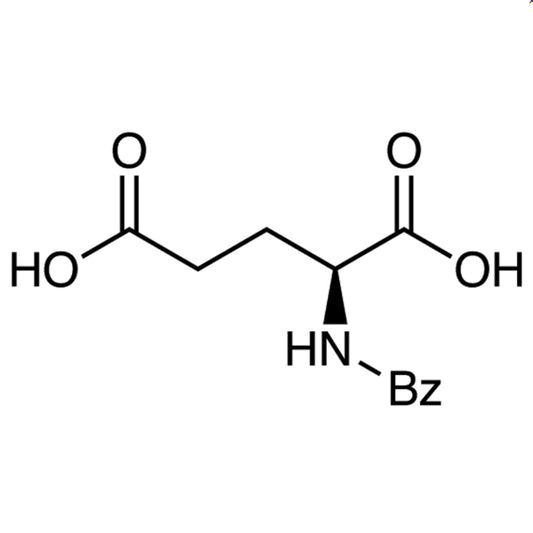
Phthalyl-DL-glutamic Acid is a chemical compound widely used in chemical and biochemical experiments, particularly in the field of peptide chemistry. It plays a crucial role in laboratory settings where the synthesis of complex molecules is required. This compound is commonly utilized as a building block in the development of pharmaceuticals and pharmacological substances. Its presence in laboratory reactions is essential for achieving high reactivity and molecular specificity, making it indispensable in advanced chemical research.
The compound's chemical properties make it a preferred choice for various synthetic processes. It exhibits stability under controlled conditions and can participate in multiple chemical reactions such as esterification, amidation, and substitution. Its complex molecular structure allows it to interact effectively with different substrates and enzymes, enhancing its utility in biochemical applications. The compound's ability to serve as a precursor for the synthesis of biologically active substances further solidifies its importance in laboratory research.
In Indonesian laboratories, Phthalyl-DL-glutamic Acid is frequently used in biochemical, pharmaceutical, and organic chemistry research. It is a key component in experiments that require complex molecular structures and high reactivity. Many research institutions and universities rely on this compound for advanced studies, particularly in drug development and molecular synthesis. Its availability from trusted suppliers like TCI ensures that researchers have access to high-quality materials for their experiments.
- Biochemical Research – Phthalyl-DL-glutamic Acid is ideal for biochemical studies due to its ability to participate in complex molecular reactions and its compatibility with enzymatic systems.
- Pharmaceutical Development – The compound is widely used in drug synthesis as a precursor for creating biologically active molecules with specific therapeutic properties.
- Peptide Chemistry – Its role in peptide synthesis makes it a valuable tool for researchers working on protein-based compounds and structural modifications.
- Organic Synthesis – The compound's reactivity and stability make it suitable for various organic reactions, including esterification and amidation processes.
- Enzymatic Studies – Its interaction with enzymes and substrates makes it useful for studying enzyme mechanisms and catalytic processes in laboratory settings.
| Brand | — |
|---|---|
| CAS number | — |
| Molecular formula | — |
| Purity | — |
| Category | — |
| Pack sizes | — |
| Physical form | — |
| Storage | — |
- Brand – TCI
- CAS Number – 6349-98-0
- Category – Chemistry > Chemical Biology > Peptide Chemistry
- Pack Sizes – Available in various quantities as per supplier specifications
- Physical Form – Solid powder (as per standard product description)
- Storage Note – Store in a cool, dry place away from moisture and direct sunlight
Phthalyl-DL-glutamic Acid should be stored in a cool, dry environment to maintain its chemical stability. It is recommended to keep the compound in a sealed container to prevent exposure to moisture and air. Due to its potential reactivity, it should be handled in a well-ventilated laboratory setting. Avoid contact with incompatible substances to ensure safety during storage and use. Proper labeling of containers is essential for safe handling and identification. Regular inspection of storage conditions is advised to ensure the compound remains in optimal condition for laboratory applications.
—
Produk Terkait
-
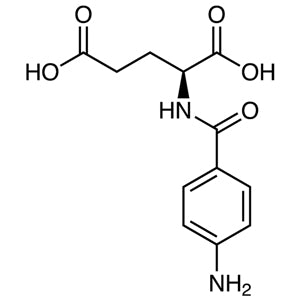
N-(4-Aminobenzoyl)-L-glutamicAcid TCI A0442
Regular price From Rp 1.087.800,00Regular price -
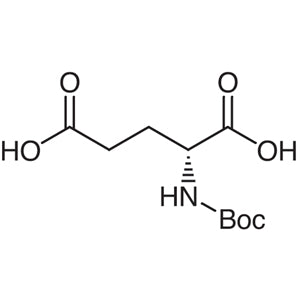
N-(tert-Butoxycarbonyl)-D-glutamicAcid TCI B2987
Regular price From Rp 1.298.850,00Regular price -
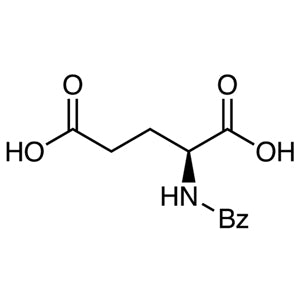
N-Benzoyl-L-glutamicAcid TCI B0202
Regular price From Rp 689.850,00Regular price -
N-[(9H-Fluoren-9-ylmethoxy)carbonyl]-L-glutamicAcid TCI F0453
Regular price From Rp 505.050,00Regular price -
N-Benzyloxycarbonyl-L-glutamicAcid TCI C0734
Regular price From Rp 2.227.050,00Regular price -
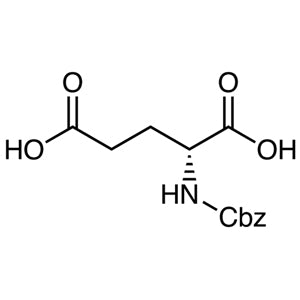
N-Carbobenzoxy-D-glutamicAcid TCI C0663
Regular price From Rp 1.035.300,00Regular price -
N-Phthalyl-L-tryptophan TCI P2023
Regular price From Rp 3.232.950,00Regular price -
L-GlutamicAcidHydrochloride TCI G0060
Regular price From Rp 505.050,00Regular price

![N-[(9H-Fluoren-9-ylmethoxy)carbonyl]-L-glutamic Acid (CAS 121343-82-6) - TCI F0453 - AMI Scientific](http://amiscientific.com/cdn/shop/files/TCI2510F0453.jpg?v=1768360109&width=533)