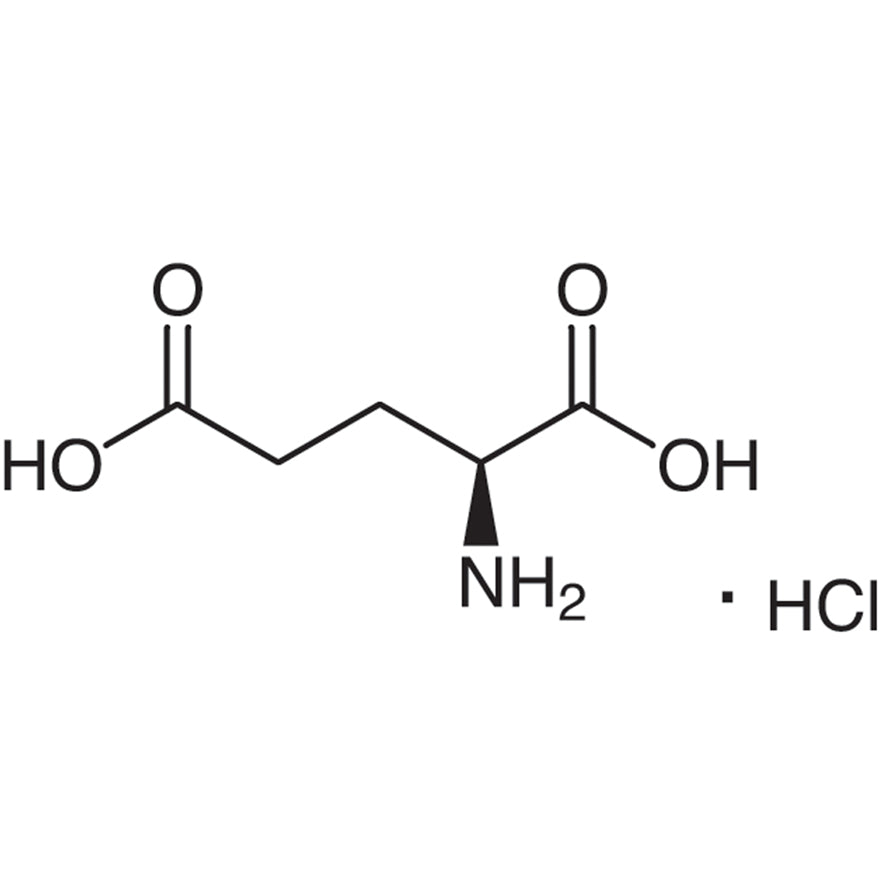
L-Glutamic Acid Hydrochloride is a chemical compound widely utilized in various chemical and biochemical experiments conducted in laboratories. It is a key component in peptide chemistry and plays an essential role in the synthesis of organic compounds, as well as in studies related to proteins and enzymes. This compound is commonly used as a raw material for the production of glutamic acid, which has significant applications in pharmaceutical and nutritional research. Its presence in laboratory settings is vital for advancing understanding in biochemical processes and molecular interactions.
The chemical properties of L-Glutamic Acid Hydrochloride make it a preferred choice for researchers. It exhibits chemical stability and is highly soluble in water, which simplifies its handling and application in diverse chemical reactions. These characteristics ensure that it remains effective under various experimental conditions. Additionally, its adjustable acidity allows researchers to precisely control the reaction environment, enhancing the accuracy and reproducibility of experiments. This adaptability makes it a versatile reagent in both academic and industrial research settings.
In Indonesian laboratories, L-Glutamic Acid Hydrochloride is frequently used in chemical, biochemical, and pharmaceutical research. It is a common material in studies involving the synthesis of bioactive compounds and the development of new drugs. Many research institutions and universities rely on this compound for experiments that require precise chemical reactions and controlled environments. Its reliability and consistency make it an essential tool for scientific inquiry in Indonesia.
TCI brochures (PDF)
- Amino Acids and Peptide Synthesis Reagents 2025-08-14 · p. 4
- Biochemical synthesis experiments benefit from L-Glutamic Acid Hydrochloride due to its role in amino acid-based compound creation and enzyme reaction studies.
- Pharmaceutical research utilizes this compound for the development of drug molecules and nutritional supplements, leveraging its chemical stability and solubility.
- Peptide chemistry applications rely on its ability to participate in protein structure analysis and amino acid sequence studies.
- Metabolism studies use it to investigate biochemical pathways and enzyme activity under controlled acidic conditions.
- Enzymatic reaction testing benefits from its adjustable acidity, allowing precise control of reaction environments for accurate results.
| Brand | TCI |
|---|---|
| CAS number | 138-15-8 |
| Molecular formula | — |
| Purity | — |
| Category | Chemistry > Chemical Biology > Peptide Chemistry |
| Pack sizes | Available in various quantities as per supplier specifications |
| Physical form | White crystalline powder |
| Storage | Store in a cool, dry place away from moisture and direct sunlight |
L-Glutamic Acid Hydrochloride should be stored in a cool, dry place, away from moisture and direct sunlight to maintain its chemical stability. It is recommended to use airtight containers to prevent exposure to humidity, which could affect its solubility and purity. In laboratory settings, it should be handled with care to avoid contamination, and appropriate personal protective equipment should be worn when working with it. Due to its hygroscopic nature, it is important to ensure that storage conditions are controlled to preserve its integrity. Proper labeling of containers is also essential for safe handling and accurate identification during experiments.
—
Product Categories
Produk Terkait
-
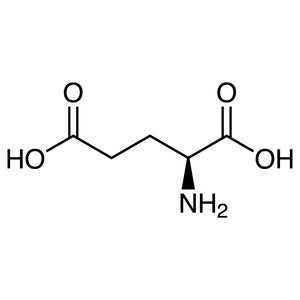
L-GlutamicAcid TCI G0059
Regular price From Rp 477.750,00Regular price -
DL-GlutamicAcid TCI G0058
Regular price From Rp 1.298.850,00Regular price -
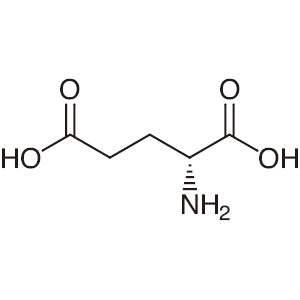
D-GlutamicAcid TCI G0057
Regular price From Rp 1.829.100,00Regular price -
SodiumL-GlutamateMonohydrate TCI G0188
Regular price From Rp 505.050,00Regular price -
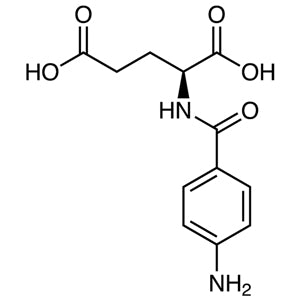
N-(4-Aminobenzoyl)-L-glutamicAcid TCI A0442
Regular price From Rp 1.087.800,00Regular price -
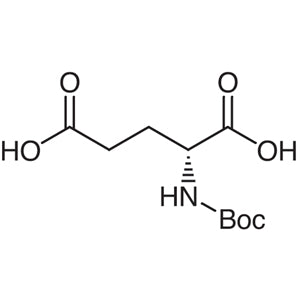
N-(tert-Butoxycarbonyl)-D-glutamicAcid TCI B2987
Regular price From Rp 1.298.850,00Regular price -
N-Benzoyl-L-glutamicAcid TCI B0202
Regular price From Rp 689.850,00Regular price -
Phthalyl-DL-glutamicAcid TCI P0338
Regular price From Rp 1.193.850,00Regular price