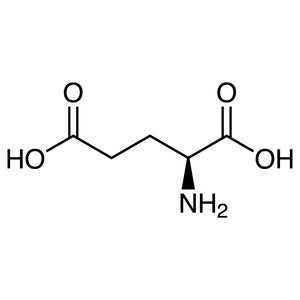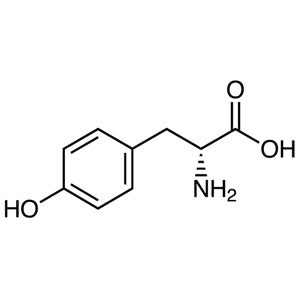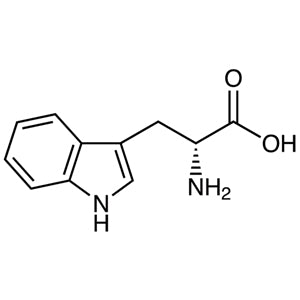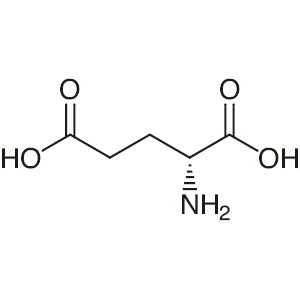
D-Glutamic Acid is a chemical compound widely used in various chemical synthesis processes, particularly in the field of asymmetric synthesis. It plays a crucial role in laboratories by serving as a key reagent for enantiomer resolution, a process essential for the production of optically active compounds. This compound is valued for its unique molecular structure, which includes a carboxyl group and an amino group, enabling it to interact effectively with a range of chemical reagents. Its versatility makes it an important tool in both organic and biochemical research.
The properties that make D-Glutamic Acid a preferred choice include its chemical stability under specific conditions and its ability to form complexes with various molecules. Its molecular complexity allows for high specificity in chemical reactions, making it ideal for applications requiring precision. Additionally, its availability in pure and high-quality forms ensures reliable results in laboratory experiments. These characteristics make it a popular choice among researchers and scientists working in diverse scientific fields.
In Indonesian laboratories, D-Glutamic Acid is commonly used in organic chemistry research, especially in asymmetric synthesis and enantiomer resolution. It is also applied in biochemical and pharmacological studies due to its ability to bind with proteins and enzymes. Its role in these contexts highlights its importance in both academic and industrial research settings, supporting the development of new compounds and therapeutic agents.
TCI brochures (PDF)
- D-Amino Acids 2026-03-19 · p. 1
- Chiral Auxiliaries and Optical Resolving Agents 2025-06-17 · p. 6
- Amino Acids and Peptide Synthesis Reagents 2025-08-14 · p. 4
- Asymmetric Synthesis: D-Glutamic Acid is ideal for enantiomer resolution due to its chiral structure, enabling the separation of optical isomers with high efficiency.
- Biochemical Research: Its ability to interact with proteins and enzymes makes it useful in studying molecular interactions and biological processes.
- Pharmacological Studies: It is employed in drug development to investigate how compounds interact with biological systems and affect cellular functions.
- Organic Chemistry Experiments: Its unique molecular structure supports a wide range of synthetic reactions, particularly those requiring chiral catalysts or reagents.
- Enzyme Activity Analysis: It can be used to study enzyme kinetics and substrate specificity, providing insights into catalytic mechanisms.
| Brand | TCI |
|---|---|
| CAS number | 6893-26-1 |
| Molecular formula | — |
| Purity | — |
| Category | Chemistry > Asymmetric Synthesis > Chiral Resolution Reagents |
| Pack sizes | Available in various quantities as per standard laboratory requirements |
| Physical form | White crystalline powder |
| Storage | Store in a cool, dry place away from moisture and direct sunlight |
D-Glutamic Acid should be stored in a cool, dry environment to maintain its chemical stability and prevent degradation. It is recommended to keep it in airtight containers to minimize exposure to moisture and air, which can affect its integrity. Due to its sensitivity to humidity, it is important to ensure that the storage area is well-ventilated and free from sources of moisture. Laboratory personnel should handle the compound with care, using appropriate personal protective equipment to avoid direct contact. Regular monitoring of storage conditions is essential to ensure the compound remains suitable for use in research applications. Proper storage practices help preserve the quality and effectiveness of D-Glutamic Acid in laboratory settings.
—
Product Categories
Produk Terkait
-
L-GlutamicAcid TCI G0059
Regular price From Rp 477.750,00Regular price -
L-GlutamicAcidHydrochloride TCI G0060
Regular price From Rp 505.050,00Regular price -
DL-GlutamicAcid TCI G0058
Regular price From Rp 1.298.850,00Regular price -
D-Tyrosine TCI T1141
Regular price From Rp 823.200,00Regular price -
D-Tryptophan TCI T0539
Regular price From Rp 689.850,00Regular price -
D-Proline TCI P0994
Regular price From Rp 1.378.650,00Regular price -
D-Methionine TCI M0102
Regular price From Rp 848.400,00Regular price -
D-Histidine TCI H0998
Regular price From Rp 955.500,00Regular price