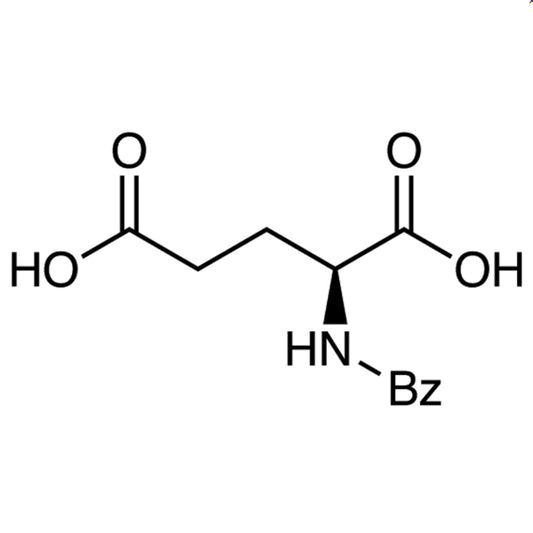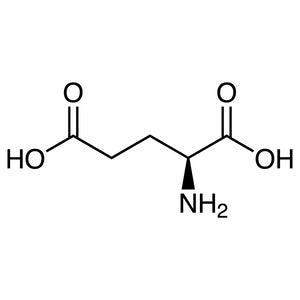
L-Glutamic Acid is a chemical compound widely used in various laboratory applications, particularly in organic synthesis and chemical analysis. This compound plays a crucial role in chiral resolution processes, where it is employed as a resolving agent to separate enantiomers. Its unique molecular structure, featuring both a carboxyl group and an amino group, enables complex chemical reactions and interactions. In the laboratory, it is a key reagent for achieving high precision in chiral separation techniques, making it essential for researchers working in asymmetric synthesis and related fields.
The properties of L-Glutamic Acid that make it a preferred choice include its chemical stability under controlled conditions and its ability to interact with a variety of reagents and catalysts. Its molecular structure allows it to form diastereomeric salts with chiral compounds, facilitating their separation through crystallization or chromatographic methods. Additionally, its solubility characteristics and compatibility with common laboratory solvents enhance its utility in diverse chemical processes. These features make it a reliable and versatile reagent for advanced chemical research.
In Indonesian laboratories, L-Glutamic Acid is commonly used in academic and industrial research settings. It is particularly favored in pharmaceutical and biochemical research for its role in chiral resolution. Its availability in solid form and ease of handling make it a popular choice among chemists and researchers. Its application in both teaching and research laboratories supports the development of new chemical methodologies and compounds.
Advantages (TCI brochure)
- Induces ferroptosis
- Endogenous, non-selective agonist
TCI brochures (PDF)
- Ferroptosis Research Reagents 2025-01-20 · p. 1
- Chiral Auxiliaries and Optical Resolving Agents 2025-06-17 · p. 6
- Cancer Research Reagents 2025-04-01 · p. 11
- Amino Acids and Peptide Synthesis Reagents 2025-08-14 · p. 3
- Reagents for Biological Research 2025-03-11 · p. 35
Related TCI products
- Chiral Resolution: L-Glutamic Acid is ideal for resolving enantiomers due to its ability to form diastereomeric salts with chiral compounds, enabling effective separation through crystallization or chromatography.
- Organic Synthesis: Its unique molecular structure allows it to participate in various synthetic reactions, making it a valuable reagent for creating complex organic molecules with high stereochemical control.
- Biochemical Research: It is widely used in biochemical studies to analyze the behavior of chiral compounds and their biological activity, supporting research in drug development and metabolic processes.
- Analytical Chemistry: Its chemical stability and reactivity make it suitable for use in analytical techniques that require precise separation and identification of chiral substances.
- Teaching and Training: L-Glutamic Acid is often used in educational settings to demonstrate chiral resolution techniques and to train students in advanced chemical methods.
| Brand | TCI |
|---|---|
| CAS number | 56-86-0 |
| Molecular formula | — |
| Purity | — |
| Category | Chemistry > Asymmetric Synthesis > Chiral Resolution Reagents |
| Pack sizes | Available in various quantities as per supplier specifications |
| Physical form | Solid |
| Storage | Store in a cool, dry place away from moisture and direct sunlight |
L-Glutamic Acid should be stored in a cool, dry environment to maintain its chemical stability. It is recommended to keep it in airtight containers to prevent exposure to moisture, which can affect its integrity. While it is generally stable under normal laboratory conditions, it should be protected from high temperatures and excessive humidity. Proper labeling of storage containers is essential to ensure safe handling and prevent cross-contamination. In laboratory settings, it is advisable to use gloves and appropriate safety equipment when handling this compound to minimize any potential risks. Regular monitoring of storage conditions will help maintain the quality and effectiveness of the material for research purposes.
—
Product Categories
- Biochemicals and ReagentsAmino AcidsProteinogenic Amino Acids
- Cell BiologyFerroptosisFerroptosis Activators
- Cell BiologyCancer ResearchCancer Metabolism
- Cell BiologyCell Signaling and NeuroscienceNeuroscience
- Pharmaceutical Development and Drug Discovery ResearchPeptide ChemistryAmino Acid Derivatives [Peptide Chemistry]
Produk Terkait
-
L-GlutamicAcidHydrochloride TCI G0060
Regular price From Rp 505.050,00Regular price -
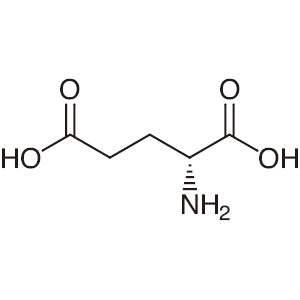
D-GlutamicAcid TCI G0057
Regular price From Rp 1.829.100,00Regular price -
DL-GlutamicAcid TCI G0058
Regular price From Rp 1.298.850,00Regular price -
SodiumL-GlutamateMonohydrate TCI G0188
Regular price From Rp 505.050,00Regular price -
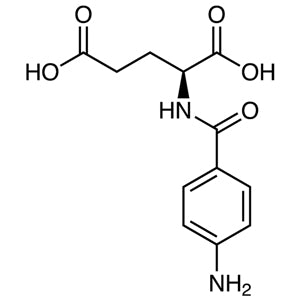
N-(4-Aminobenzoyl)-L-glutamicAcid TCI A0442
Regular price From Rp 1.087.800,00Regular price -
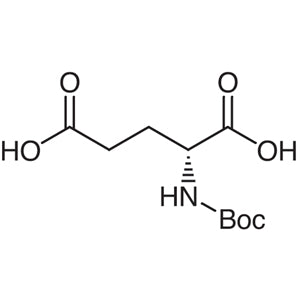
N-(tert-Butoxycarbonyl)-D-glutamicAcid TCI B2987
Regular price From Rp 1.298.850,00Regular price -
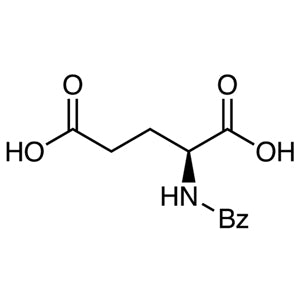
N-Benzoyl-L-glutamicAcid TCI B0202
Regular price From Rp 689.850,00Regular price -
Phthalyl-DL-glutamicAcid TCI P0338
Regular price From Rp 1.193.850,00Regular price