

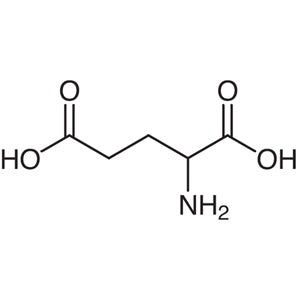
DL-Glutamic Acid is a chemical compound widely used in various laboratory experiments, particularly in the fields of organic chemistry and biochemistry. As an amino acid, it plays a crucial role in the synthesis of complex compounds, serving as a fundamental building block for proteins, enzymes, and other biological molecules. Its simple yet essential chemical structure makes it a versatile reagent in both research and industrial applications. In the laboratory, it is commonly employed as a starting material for the development of synthetic peptides and other biologically active substances.
DL-Glutamic Acid is valued for its chemical stability and solubility in water, which simplifies mixing and reaction processes in laboratory settings. Its high purity ensures reliable and reproducible results in experiments, making it a trusted choice for scientists. The compound is non-toxic and readily available, contributing to its popularity among both academic and industrial laboratories. These properties make it an essential component in a wide range of chemical and biochemical studies.
In Indonesian laboratories, DL-Glutamic Acid is frequently used in scientific research across multiple disciplines, including pharmaceuticals, biotechnology, and food chemistry. It is a common reagent in laboratories focused on amino acid metabolism and biological function studies. Its availability and reliability make it a preferred material for both basic and applied research in Indonesia.
TCI brochures (PDF)
- Amino Acids and Peptide Synthesis Reagents 2025-08-14 · p. 4
- Biochemical research utilizes DL-Glutamic Acid for studying amino acid metabolism and its role in biological systems.
- Peptide synthesis applications benefit from its role as a building block in the creation of synthetic peptides and proteins.
- Pharmaceutical development often incorporates DL-Glutamic Acid in the formulation of drug compounds and bioactive agents.
- Food chemistry laboratories use it to analyze amino acid profiles in food products and assess nutritional content.
- Biotechnology research employs it in the production of enzymes and other biomolecules through controlled chemical processes.
| Brand | TCI |
|---|---|
| CAS number | 617-65-2 |
| Molecular formula | — |
| Purity | — |
| Category | Chemistry > Chemical Biology > Peptide Chemistry |
| Pack sizes | Available in various quantities as per standard laboratory supply |
| Physical form | White crystalline powder |
| Storage | Store in a cool, dry place away from direct sunlight |
DL-Glutamic Acid should be stored in a cool, dry environment to maintain its chemical stability and prevent degradation. It is recommended to keep the compound in airtight containers to avoid moisture absorption, which could affect its purity. Due to its high solubility in water, it is important to ensure that storage containers are properly sealed to prevent contamination. In laboratory settings, it should be handled with standard safety precautions, such as wearing gloves and safety goggles. While it is non-toxic, proper handling ensures the integrity of the compound and the safety of laboratory personnel. Storage conditions should be consistent to maintain the quality of the material for repeated use in experiments.
—
Product Categories
Produk Terkait
-
L-GlutamicAcidHydrochloride TCI G0060
Regular price From Rp 505.050,00Regular price -
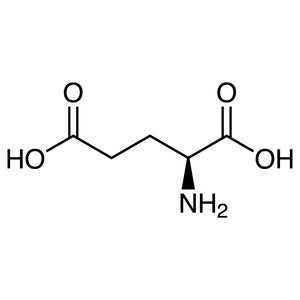
L-GlutamicAcid TCI G0059
Regular price From Rp 477.750,00Regular price -
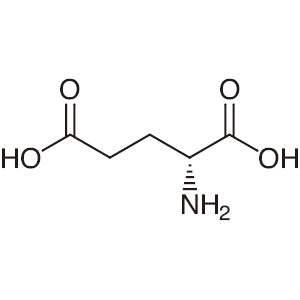
D-GlutamicAcid TCI G0057
Regular price From Rp 1.829.100,00Regular price -
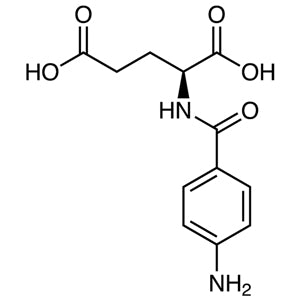
N-(4-Aminobenzoyl)-L-glutamicAcid TCI A0442
Regular price From Rp 1.087.800,00Regular price -
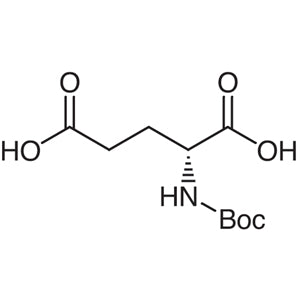
N-(tert-Butoxycarbonyl)-D-glutamicAcid TCI B2987
Regular price From Rp 1.298.850,00Regular price -
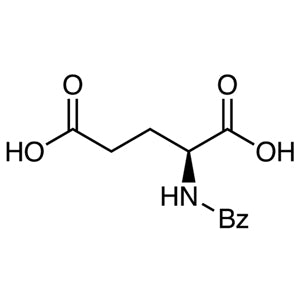
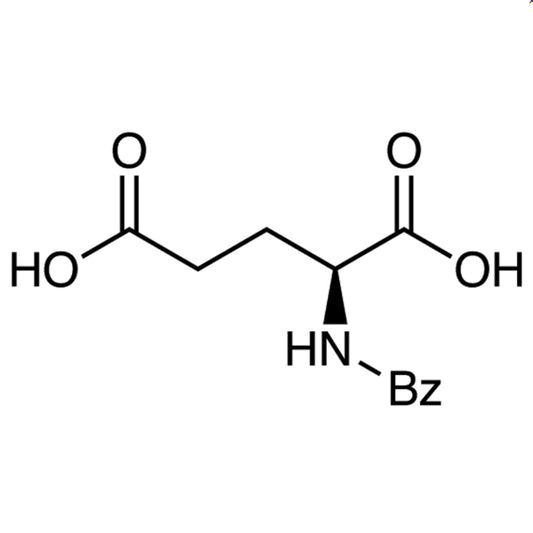
N-Benzoyl-L-glutamicAcid TCI B0202
Regular price From Rp 689.850,00Regular price -
Phthalyl-DL-glutamicAcid TCI P0338
Regular price From Rp 1.193.850,00Regular price -
N-[(9H-Fluoren-9-ylmethoxy)carbonyl]-L-glutamicAcid TCI F0453
Regular price From Rp 505.050,00Regular price



![N-[(9H-Fluoren-9-ylmethoxy)carbonyl]-L-glutamic Acid (CAS 121343-82-6) - TCI F0453 - AMI Scientific](http://amiscientific.com/cdn/shop/files/TCI2510F0453.jpg?v=1768360109&width=533)