2,3-Diphenyl-5-methyltetrazolium Chloride (MTT) is a chemical compound widely used in laboratory experiments, particularly in biochemistry and molecular biology. It serves as a vital reagent in assessing cell viability and enzyme activity through its ability to be reduced by living cell dehydrogenases. This reaction leads to the formation of a blue formazan product, which can be quantitatively measured. MTT is a key component in various assays that evaluate cellular metabolism and mitochondrial function, making it indispensable in modern research settings.
The compound's heterocyclic structure provides stability and reactivity, allowing it to interact effectively with biological substrates. Its chemical specificity ensures accurate and reliable results in biochemical analyses. MTT is also resistant to environmental conditions, which simplifies storage and handling in diverse laboratory environments. These properties make it a preferred choice for researchers requiring precision and consistency in their experiments.
In Indonesian laboratories, MTT is commonly used in health-related research, pharmacology, and biotechnology. It plays a crucial role in drug development and toxicological studies, where assessing cell activity is essential. Its application extends to various research fields that require detailed analysis of biological processes, supporting both academic and industrial research initiatives.
Related TCI products
- TCI B0325 38800-20-3 2,3-Diphenyl-5-(2-thienyl)tetrazolium Chloride
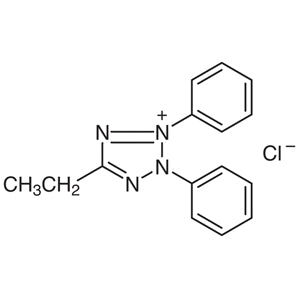
- TCI B0319 66138-05-4 2,3-Diphenyl-5-ethyltetrazolium Chloride
- TCI B0295 2118-40-3 2,3-Diphenyl-5-carboxytetrazolium Chloride
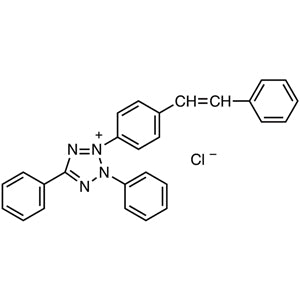
- TCI D0915 24387-36-8 2,5-Diphenyl-3-(4-styrylphenyl)tetrazolium Chloride
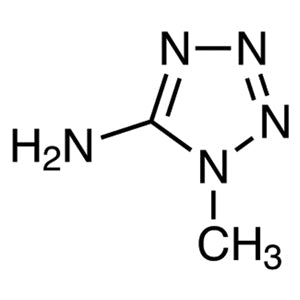
- TCI A2427 5422-44-6 5-Amino-1-methyltetrazole
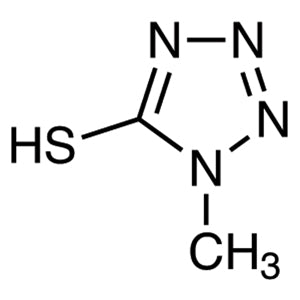
- TCI M1081 13183-79-4 5-Mercapto-1-methyltetrazole
- Cell viability assays where MTT detects metabolic activity in living cells through formazan formation.
- Enzyme activity testing as it reacts with dehydrogenase enzymes present in viable cells.
- Mitochondrial function analysis due to its dependence on cellular respiration for reduction.
- Toxicity studies to evaluate the impact of compounds on cell survival and metabolic processes.
- Drug development research for assessing the efficacy and safety of new therapeutic agents.
| Brand | TCI |
|---|---|
| CAS number | 6275-01-0 |
| Molecular formula | — |
| Purity | — |
| Category | Chemistry > Building Blocks > Heterocyclic Building Blocks |
| Pack sizes | Available in various quantities as per standard laboratory supply formats |
| Physical form | Solid powder |
| Storage | Store in a cool, dry place away from light and moisture |
MTT should be stored in a cool, dry place, away from direct light and moisture to maintain its chemical integrity. It is recommended to use airtight containers to prevent exposure to humidity and contaminants. Due to its chemical nature, it should be handled with care, using appropriate personal protective equipment such as gloves and safety goggles. Avoid contact with incompatible substances and ensure proper ventilation in the workspace. Regular monitoring of storage conditions ensures the compound remains effective for its intended applications in laboratory research.
—
Produk Terkait
-
2,3-Diphenyl-5-(2-thienyl)tetrazoliumChloride TCI B0325
Regular price From Rp 1.696.800,00Regular price -
2,3-Diphenyl-5-ethyltetrazoliumChloride TCI B0319
Regular price Rp 1.485.750,00Regular price -
2,3-Diphenyl-5-carboxytetrazoliumChloride TCI B0295
Regular price Rp 1.485.750,00Regular price -
2,5-Diphenyl-3-(4-styrylphenyl)tetrazoliumChloride TCI D0915
Regular price Rp 2.650.200,00Regular price -
5-Amino-1-methyltetrazole TCI A2427
Regular price From Rp 1.749.300,00Regular price -
5-Mercapto-1-methyltetrazole TCI M1081
Regular price Rp 1.060.500,00Regular priceRp 757.050,00Sale price Rp 1.060.500,00 -
5-Methyltetrazole TCI M1069
Regular price Rp 3.021.900,00Regular priceRp 2.128.350,00Sale price Rp 3.021.900,00 -
2-Isobutyl-4-methyltetrahydro-2H-pyran-4-ol(mixtureofisomers) TCI T4346
Regular price Rp 1.431.150,00Regular priceRp 1.016.400,00Sale price Rp 1.431.150,00