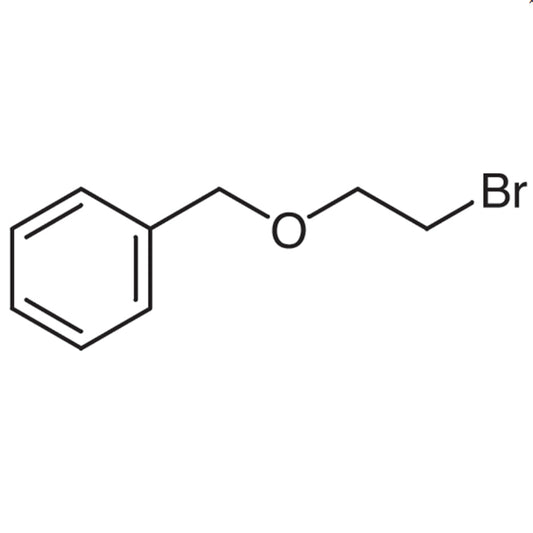
Benzyl Phenyl Ether (BPE) is a chemical compound widely used in organic reactions as a building block or intermediate. It serves as a versatile reagent in synthetic chemistry, enabling the construction of more complex molecular structures. Its simple molecular structure provides a stable foundation for various chemical transformations, making it a fundamental component in laboratory workflows. BPE is particularly valued for its ability to participate in functional group modifications and coupling reactions, contributing to the development of new compounds in both academic and industrial research settings.
The chemical properties of BPE, including its non-polar nature and moderate volatility, make it a preferred choice in laboratory applications. These characteristics allow it to be easily handled and stored under controlled conditions. Its chemical stability and controlled reactivity ensure that it remains inert under normal conditions, reducing the risk of unintended side reactions. This stability is crucial for maintaining the integrity of experimental processes, especially in environments where precision and consistency are essential.
In Indonesian laboratories, BPE is commonly used in chemical research, including the synthesis of new compounds and the characterization of organic materials. It plays a key role in studies related to pharmaceutical development and industrial chemical applications. Due to its reliability and versatility, BPE is a sought-after material among researchers working on complex chemical projects requiring high chemical stability and predictable behavior.
- Organic synthesis applications benefit from BPE's role as a reliable building block for creating complex molecular structures.
- Pharmaceutical research utilizes BPE in the development of new compounds due to its chemical stability and reactivity.
- Industrial chemical applications leverage BPE's non-polar nature for use in solvent systems and functional group modifications.
- Characterization of organic compounds often involves BPE as a standard reference material in analytical procedures.
- Research into aromatic and heterocyclic compounds frequently incorporates BPE as a key intermediate in synthetic pathways.
| Brand | TCI |
|---|---|
| CAS number | 946-80-5 |
| Molecular formula | — |
| Purity | — |
| Category | Chemistry > Building Blocks > Non-Heterocyclic Building Blocks |
| Pack sizes | Available in various quantities as per standard laboratory supply |
| Physical form | Liquid |
| Storage | Store in a cool, dry, and well-ventilated area away from direct sunlight |
Benzyl Phenyl Ether should be stored in a cool, dry, and well-ventilated area, away from direct sunlight and heat sources. It is recommended to use sealed containers made of materials compatible with organic solvents to prevent evaporation and contamination. Due to its moderate volatility, it should be handled in a fume hood to minimize exposure. Proper personal protective equipment, such as gloves and safety goggles, should be worn during handling. The compound is chemically stable under normal conditions, but care should be taken to avoid prolonged exposure to air or moisture to maintain its integrity. Regular monitoring of storage conditions ensures the material remains suitable for use in laboratory experiments.
—
Produk Terkait
-
Benzyl6-BromohexylEther TCI B2820
Regular price From Rp 4.559.100,00Regular priceRp 3.187.800,00Sale price From Rp 4.559.100,00 -
Benzyl5-BromoamylEther TCI B2819
Regular price Rp 3.896.550,00Regular priceRp 2.724.750,00Sale price Rp 3.896.550,00 -
Benzyl3-BromopropylEther TCI B2818
Regular price From Rp 2.545.200,00Regular priceRp 1.779.750,00Sale price From Rp 2.545.200,00 -
Benzyl2-BromoethylEther TCI B2817
Regular price From Rp 2.174.550,00Regular priceRp 1.520.400,00Sale price From Rp 2.174.550,00 -
Benzyl4-BromobutylEther TCI B2802
Regular price From Rp 3.683.400,00Regular priceRp 2.575.650,00Sale price From Rp 3.683.400,00 -
Benzyl2-ChloroethylEther TCI B2712
Regular price From Rp 1.298.850,00Regular priceRp 908.250,00Sale price From Rp 1.298.850,00 -
BenzylGlycidylEther TCI B2108
Regular price From Rp 1.510.950,00Regular priceRp 1.056.300,00Sale price From Rp 1.510.950,00 -
Benzyl2-NaphthylEther TCI B1619
Regular price From Rp 1.856.400,00Regular priceRp 1.297.800,00Sale price From Rp 1.856.400,00