Bilirubin is a chemical compound widely used in life science research and biochemical experiments. It is a pigment produced from the breakdown of hemoglobin in the body, primarily in the liver. In the laboratory, bilirubin serves as a key reagent for various studies related to metabolism, toxicity, and biomedical analysis. Its presence in research settings allows scientists to investigate physiological processes and disease mechanisms. As a fundamental component in experimental protocols, bilirubin plays a crucial role in understanding biological systems and developing new diagnostic tools.
One of the reasons bilirubin is preferred in laboratory settings is its chemical stability under controlled conditions. However, it is highly sensitive to light and oxidation, which requires careful handling and storage. These properties make it ideal for experiments that demand precise environmental control. Its ability to participate in biochemical reactions also makes it a valuable tool in synthetic chemistry and pharmacological research. The purity and consistency of bilirubin ensure reliable and reproducible results in scientific investigations.
In Indonesian laboratories, bilirubin is commonly used in research related to human health, particularly in medical and pharmaceutical fields. It is also utilized in laboratory testing for blood sample analysis and diagnosing liver-related diseases. Due to its relevance in clinical and research applications, bilirubin remains a critical material for scientists and researchers in Indonesia. Its availability in high-quality, pure form supports accurate and consistent experimental outcomes.
TCI brochures (PDF)
- Fluorescent Probes for the Characterization of Two Specific Drug Binding Sites on HSA 2025-04-01 · p. 4
- Antioxidants for Research and Experimental Use 2026-07-29 · p. 1
- Reagents for Biological Research 2025-03-11 · p. 41
- Metabolic Studies: Bilirubin is used to investigate metabolic pathways and liver function, providing insights into how the body processes hemoglobin breakdown.
- Toxicity Testing: It serves as a model compound for assessing the effects of substances on biological systems, particularly in drug development and safety evaluation.
- Biomedical Analysis: Bilirubin is essential for diagnosing liver disorders and monitoring health conditions through blood sample analysis.
- Pharmacological Research: It is used in the synthesis of pharmaceutical compounds and in studying drug interactions and therapeutic applications.
- Diagnostic Testing: Bilirubin is a key component in laboratory tests for detecting and analyzing liver-related diseases and blood disorders.
| Brand | TCI |
|---|---|
| CAS number | 635-65-4 |
| Molecular formula | — |
| Purity | — |
| Category | Life Science > Biochemicals and Reagents > Crude Medicine Ingredients for Research and Experimental Use |
| Pack sizes | Available in various quantities as per standard laboratory requirements |
| Physical form | Solid or powder, depending on the specific product variant |
| Storage | Store in a cool, dark place away from light and oxidizing agents |
Bilirubin should be stored in a cool, dark environment to prevent degradation due to light exposure. It is recommended to use amber-colored glass containers or opaque plastic to minimize light exposure. The material should be kept away from oxidizing agents and sources of heat to maintain its chemical integrity. Proper labeling and secure storage are essential to prevent contamination and ensure safe handling. Laboratory personnel should wear appropriate personal protective equipment when working with bilirubin to avoid direct contact. Regular monitoring of storage conditions helps maintain the quality and effectiveness of the compound for research applications.
References cited in the TCI brochure
- Jamie Ghuman. Structural Basis of the Drug-binding Specificity of Human Serum Albumin Journal of Molecular Biology, 2005. doi:10.1016/j.jmb.2005.07.075
- Masaki OTAGIRI. Study on Binding of Drug to Serum Protein YAKUGAKU ZASSHI, 2009. doi:10.1248/yakushi.129.413
Product Categories
- Biochemicals and ReagentsCrude Medicine Ingredients for Research and Experimental Use
- Biochemicals and ReagentsPorphyrins [Biochemicals and Reagents]
- Biochemicals and ReagentsProteins and DerivativesPlasma and Blood Proteins
- Cell BiologyCancer ResearchChemopreventive Agents [Cancer Research]
- Molecular BiologyAntioxidants [Life Science]
- Pharmaceutical Development and Drug Discovery ResearchCrude Medicine Ingredients for Research and Experimental Use
Produk Terkait
-
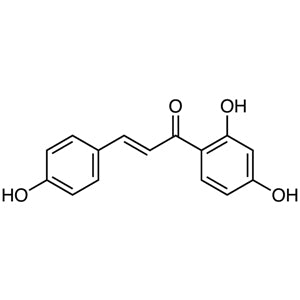
Isoliquiritigenin TCI I0822
Regular price From Rp 1.087.800,00Regular priceRp 775.950,00Sale price From Rp 1.087.800,00 -
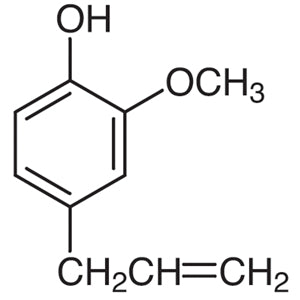
Eugenol TCI A0232
Regular price From Rp 557.550,00Regular priceRp 405.300,00Sale price From Rp 557.550,00 -
Tetrahydrocurcumin TCI T3587
Regular price From Rp 2.439.150,00Regular priceRp 1.720.950,00Sale price From Rp 2.439.150,00 -
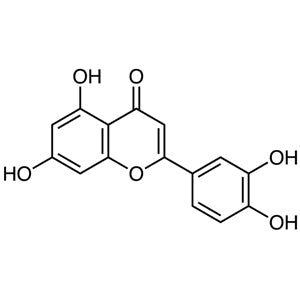
3',4',5,7-Tetrahydroxyflavone TCI T2682
Regular price From Rp 1.618.050,00Regular priceRp 1.146.600,00Sale price From Rp 1.618.050,00 -
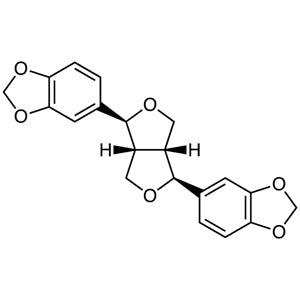
Sesamin TCI S0495
Regular price Rp 5.246.850,00Regular priceRp 3.684.450,00Sale price Rp 5.246.850,00 -
Sesamol TCI S0418
Regular price Rp 2.173.500,00Regular priceRp 1.535.100,00Sale price Rp 2.173.500,00 -
RutinHydrate TCI R0035
Regular price Rp 1.431.150,00Regular priceRp 1.016.400,00Sale price Rp 1.431.150,00 -
PhenethylCaffeate TCI P2088
Regular price From Rp 1.087.800,00Regular priceRp 775.950,00Sale price From Rp 1.087.800,00