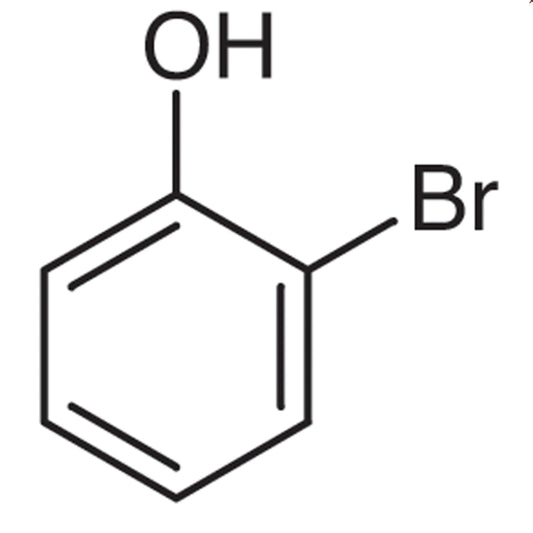
Bromophenol Red is a chemical compound widely used as a dye in various laboratory experiments. It belongs to the category of stains and dyes, specifically for research and experimental purposes. This compound plays a crucial role in analytical chemistry, particularly in the separation and detection of specific ions. Its unique ability to change color based on the pH of its environment makes it an essential tool in both qualitative and quantitative analysis. Bromophenol Red is commonly used in laboratory settings where accurate and reliable colorimetric responses are required.
One of the key properties that make Bromophenol Red a preferred choice is its chemical stability under certain conditions. It dissolves well in both organic solvents and water, which enhances its versatility in different experimental setups. Its solubility characteristics allow it to be used in a wide range of applications, from simple colorimetric tests to more complex analytical procedures. Additionally, its stability over time ensures that it remains effective for multiple uses, making it a reliable and cost-effective option for laboratories.
In Indonesian laboratories, Bromophenol Red is frequently used in chemical research, environmental analysis, and biochemical experiments. Its clear properties and broad applications make it a valuable resource for both educational and research purposes. Due to its availability and effectiveness, it is a commonly chosen material for various laboratory tasks, contributing to the accuracy and efficiency of experimental processes.
TCI brochures (PDF)
- Titration Reagents and TLC Stains 2026-05-07 · p. 3
Related TCI products
- TCI B0631 115-39-9 Bromophenol Blue
- TCI A5107 62637-91-6 TBPE (=Tetrabromophenolphthalein Ethyl Ester Potassium Salt) [Sensitive spectrophotometric reagent for amines, quaternary ammonium salts and other cations]
- TCI S0043 34725-61-6 Bromophenol Blue Sodium Salt
- TCI T0040 Tetrabromophenol Blue Disodium Salt
- TCI B3910 106-41-2 4-Bromophenol [for Biochemical Research]
- TCI B3195 34725-61-6 Bromophenol Blue Sodium Salt [for Electrophoresis]
- Used in pH indicator tests due to its ability to change color with environmental pH changes, making it ideal for determining acidity or alkalinity in solutions.
- Applied in chromatography for visualizing separated compounds through color development, enhancing the visibility of components in complex mixtures.
- Utilized in environmental analysis for detecting and quantifying specific ions in water and soil samples, supporting ecological and pollution studies.
- Employed in biochemical experiments for tracking reaction progress and identifying specific compounds through colorimetric responses.
- Integrated into educational settings for teaching students about pH indicators and colorimetric analysis in a practical and visual manner.
| Brand | TCI |
|---|---|
| CAS number | 2800-80-8 |
| Molecular formula | — |
| Purity | — |
| Category | Chemistry > Stains and Dyes (for Research and Experimental Use) > Stains and Dyes (Other) (for Research and Experimental Use) |
| Pack sizes | Available in various quantities as per supplier specifications |
| Physical form | Powder or solution, depending on the product variant |
| Storage | — |
Bromophenol Red should be stored in a cool, dry place away from direct sunlight to maintain its chemical stability. It is recommended to keep it in a sealed container to prevent moisture absorption and contamination. When handling, it is important to use appropriate personal protective equipment such as gloves and safety goggles to ensure safety. The compound is generally non-toxic but should be handled with care to avoid inhalation or skin contact. Proper labeling of storage containers is essential for safe handling and easy identification. Regular inspection of storage conditions ensures the material remains effective for laboratory use.
—
Produk Terkait
-
BromophenolBlue TCI B0631
Regular price From Rp 900.900,00Regular priceRp 645.750,00Sale price From Rp 900.900,00 -
TBPE(=TetrabromophenolphthaleinEthylEsterPotassiumSalt)[Sensitivespectrophotometricreagentforamines,quaternaryammoniumsaltsandothercations] TCI A5107
Regular price Rp 3.551.100,00Regular priceRp 2.499.000,00Sale price Rp 3.551.100,00 -
BromophenolBlueSodiumSalt TCI S0043
Regular price From Rp 900.900,00Regular priceRp 645.750,00Sale price From Rp 900.900,00 -
TetrabromophenolBlueDisodiumSalt TCI T0040
Regular price Rp 1.670.550,00Regular priceRp 1.183.350,00Sale price Rp 1.670.550,00 -
4-Bromophenol[forBiochemicalResearch] TCI B3910
Regular price From Rp 717.150,00Regular priceRp 500.850,00Sale price From Rp 717.150,00 -
BromophenolBlueSodiumSalt[forElectrophoresis] TCI B3195
Regular price Rp 689.850,00Regular priceRp 497.700,00Sale price Rp 689.850,00 -
4-Bromophenol TCI B0787
Regular price From Rp 664.650,00Regular priceRp 464.100,00Sale price From Rp 664.650,00 -
2-Bromophenol TCI B0630
Regular price From Rp 2.016.000,00Regular priceRp 1.409.100,00Sale price From Rp 2.016.000,00