TCI B0657 Bromothymol Blue is a pH indicator dye from the sulfonephthalein family, and it is well known in both chemistry and biology laboratories. It turns from yellow in acidic solutions to blue in basic solutions, and its colour change happens around neutral pH. This makes bromothymol blue a first choice for titrations with an equivalence point near neutral. It is also used to follow changes in acidity in solutions, culture media and biological systems. Most teaching and analytical laboratories keep it on their reagent shelves.
Laboratories choose bromothymol blue because its colour change is strong and easy to see. The solution moves from yellow through green to blue, so small pH shifts around neutral can be seen with the naked eye. A small amount of indicator gives a clear colour, which makes the material economical in daily use. The indicator also responds to dissolved carbon dioxide, which is why it is popular in respiration and photosynthesis experiments. TCI lists it as a titration reagent, and its consistent quality helps laboratories get reproducible titration endpoints from one batch to the next.
In Indonesian laboratories, bromothymol blue is found in university chemistry and biology teaching labs, school science laboratories, quality control rooms and research facilities. Analysts use it for routine acid-base titrations where the endpoint is near neutral. Biology lecturers and students use it to show carbon dioxide release during respiration and its uptake during photosynthesis. Microbiology and life science laboratories use it to watch acidity changes in culture media. Its long track record makes it a dependable, familiar reagent for both teaching and routine analysis.
TCI brochures (PDF)
- Titration Reagents and TLC Stains 2026-05-07 · p. 3
Related TCI products
- Acid-base titration near neutral: the yellow-to-blue colour change happens around neutral pH, so it gives a clear endpoint for titrations whose equivalence point lies close to neutral.
- Monitoring solution acidity: the gradual change from yellow through green to blue lets analysts see small pH shifts around neutral by eye, without needing an instrument for a quick check.
- Respiration experiments: because the indicator responds to dissolved carbon dioxide, it changes colour as exhaled or biologically produced CO2 acidifies the solution, which makes it a good teaching demonstration.
- Photosynthesis demonstrations: aquatic plants take up dissolved carbon dioxide as they photosynthesise, and the resulting colour shift shows the change clearly to students in biology teaching laboratories.
- Culture media and biological systems: small amounts of indicator show clear colour changes when acidity shifts, so laboratories can follow changes in media and biological samples simply and economically.
| Brand | TCI (product code B0657) |
|---|---|
| CAS number | 76-59-5 |
| Molecular formula | — |
| Purity | — |
| Category | Analytical Chemistry > Analytical Reagents > Titration Reagents |
| Pack sizes | as listed in the product options on this page |
| Physical form | — |
| Storage | keep tightly closed in a cool, dry place; see the TCI label and Safety Data Sheet for details |
- Indicator type: sulfonephthalein pH indicator, yellow (acidic) to blue (basic), with a colour change around neutral pH
Store bromothymol blue in its original, tightly closed container in a cool, dry, well-ventilated place, away from direct sunlight, moisture and incompatible chemicals. Indicator solutions made from it should go in clean, clearly labelled glass or chemically resistant plastic bottles and be closed after each use. They should also be protected from long exposure to air, because dissolved carbon dioxide can shift the colour. Handle it with standard laboratory precautions: wear gloves, safety glasses and a lab coat, avoid inhaling dust and avoid contact with skin and eyes, and wash your hands after use. Always check the Safety Data Sheet supplied by TCI before use, and dispose of waste according to your institution's local rules.
—
Produk Terkait
-
BromothymolBlueSodiumSalt TCI S0044
Regular price From Rp 1.087.800,00Regular priceRp 775.950,00Sale price From Rp 1.087.800,00 -
BromothymolBlue(0.04%inWater)[forpHDetermination] TCI B0658
Regular price Rp 795.900,00Regular priceRp 572.250,00Sale price Rp 795.900,00 -
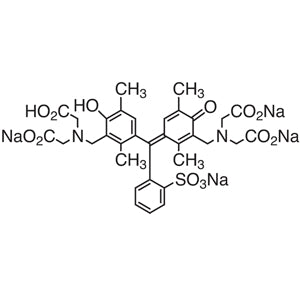
MethylxylenolBlue TCI X0052
Regular price Rp 2.359.350,00Regular priceRp 1.665.300,00Sale price Rp 2.359.350,00 -
p-XylenolBlue TCI X0016
Regular price From Rp 689.850,00Regular priceRp 497.700,00Sale price From Rp 689.850,00 -
BromoxylenolBlue TCI B0998
Regular price From Rp 2.121.000,00Regular priceRp 1.498.350,00Sale price From Rp 2.121.000,00 -
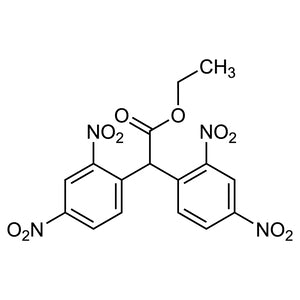
EthylBis(2,4-dinitrophenyl)acetate TCI B0817
Regular price Rp 1.510.950,00Regular priceRp 1.072.050,00Sale price Rp 1.510.950,00 -
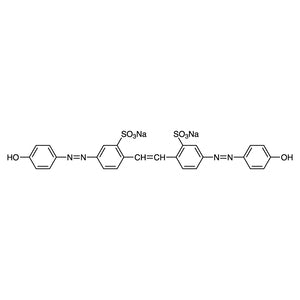
BrilliantYellow TCI B0783
Regular price Rp 4.320.750,00Regular priceRp 3.020.850,00Sale price Rp 4.320.750,00 -
BromophenolRed TCI B0632
Regular price From Rp 1.140.300,00Regular priceRp 812.700,00Sale price From Rp 1.140.300,00