Ethyl Bis(2,4-dinitrophenyl)acetate is a chemical compound widely used in organic laboratory reactions. It serves as a key building block in the synthesis of complex organic molecules, particularly in the field of non-heterocyclic chemistry. This compound is valued for its reactivity and versatility, making it an essential reagent in various synthetic pathways. Its structural features, including the presence of two nitro groups, allow it to participate in multiple chemical transformations, including substitution and electrophilic reactions.
The compound's unique molecular structure, featuring two 2,4-dinitrophenyl groups attached to an acetic acid ester, contributes to its reactivity and utility in synthetic chemistry. The nitro groups enhance its ability to undergo nucleophilic substitution and other reaction mechanisms, making it a preferred choice for researchers seeking to build complex molecular frameworks. Its stability under controlled laboratory conditions further supports its use in a wide range of chemical processes.
In Indonesian laboratories, Ethyl Bis(2,4-dinitrophenyl)acetate is commonly used in organic synthesis, especially in the development of aromatic and complex compounds. Its availability and reactivity make it a popular choice for local research institutions and academic settings. Researchers often rely on this compound for its predictable behavior and compatibility with various reagents, ensuring reliable results in experimental setups.
TCI brochures (PDF)
- Titration Reagents and TLC Stains 2026-05-07 · p. 3
Related TCI products
- TCI D0109 51-28-5 2,4-Dinitrophenol (wetted with ca. 20% Water) (unit weight on dry weight basis)
- TCI A0039 619-90-9 4-Nitrobenzyl Acetate
- TCI A1477 3061-65-2 1-Cyanovinyl Acetate (stabilized with TBC)
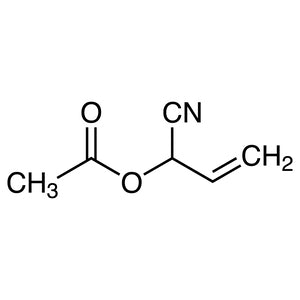
- TCI A1196 15667-63-7 1-Cyano-2-propenyl Acetate
- TCI E1387 946598-34-1 Ethyl 2-[trans-4-[(tert-Butoxycarbonyl)amino]cyclohexyl]acetate
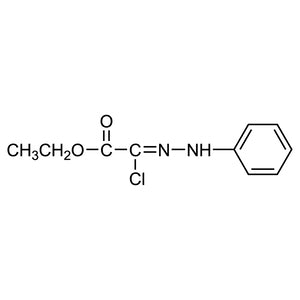
- TCI C4073 28663-68-5 Ethyl 2-Chloro-2-(2-phenylhydrazineylidene)acetate
- Synthesis of aromatic compounds due to its reactive nitro groups enabling substitution reactions.
- Organic synthesis of complex molecules as a versatile building block in multi-step reactions.
- Preparation of functionalized derivatives through nucleophilic attack on the ester group.
- Research in chemical modification of aromatic rings for pharmaceutical and industrial applications.
- Development of new chemical compounds in academic and industrial research settings.
| Brand | TCI |
|---|---|
| CAS number | 5833-18-1 |
| Molecular formula | — |
| Purity | — |
| Category | Chemistry > Building Blocks > Non-Heterocyclic Building Blocks |
| Pack sizes | Available in standard laboratory quantities |
| Physical form | Liquid or solid, depending on formulation |
| Storage | Store in a cool, dry place away from direct sunlight |
Ethyl Bis(2,4-dinitrophenyl)acetate should be stored in a cool, dry environment, away from direct sunlight and sources of heat. It is recommended to use airtight containers made of materials resistant to chemical corrosion, such as glass or high-density polyethylene. Due to its sensitivity to environmental conditions, it should be handled with care to avoid exposure to moisture or extreme temperatures. Always ensure proper ventilation when working with this compound, and wear appropriate personal protective equipment, including gloves and safety goggles. Regular monitoring of storage conditions is essential to maintain its stability and ensure safe handling in the laboratory.
—
Product Categories
Produk Terkait
-
2,4-Dinitrophenol(wettedwithca.20%Water)(unitweightondryweightbasis) TCI D0109
Regular price From Rp 743.400,00Regular priceRp 519.750,00Sale price From Rp 743.400,00 -
4-NitrobenzylAcetate TCI A0039
Regular price From Rp 1.298.850,00Regular priceRp 908.250,00Sale price From Rp 1.298.850,00 -
1-CyanovinylAcetate(stabilizedwithTBC) TCI A1477
Regular price Rp 5.962.950,00Regular priceRp 4.185.300,00Sale price Rp 5.962.950,00 -
1-Cyano-2-propenylAcetate TCI A1196
Regular price Rp 7.075.950,00Regular priceRp 4.963.350,00Sale price Rp 7.075.950,00 -
Ethyl2-[trans-4-[(tert-Butoxycarbonyl)amino]cyclohexyl]acetate TCI E1387
Regular price From Rp 1.246.350,00Regular priceRp 887.250,00Sale price From Rp 1.246.350,00 -
Ethyl2-Chloro-2-(2-phenylhydrazineylidene)acetate TCI C4073
Regular price From Rp 1.696.800,00Regular priceRp 1.202.250,00Sale price From Rp 1.696.800,00 -
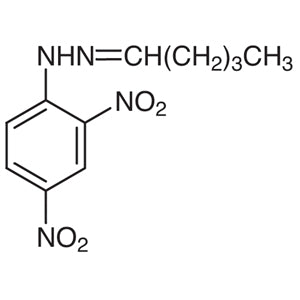
Valeraldehyde2,4-Dinitrophenylhydrazone TCI V0066
Regular price From Rp 530.250,00Regular priceRp 386.400,00Sale price From Rp 530.250,00 -
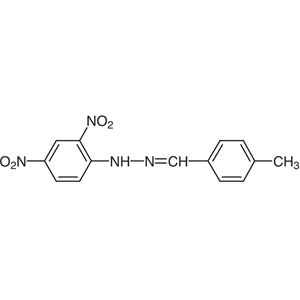
p-Tolualdehyde2,4-Dinitrophenylhydrazone TCI T1449
Regular price From Rp 1.087.800,00Regular priceRp 775.950,00Sale price From Rp 1.087.800,00