


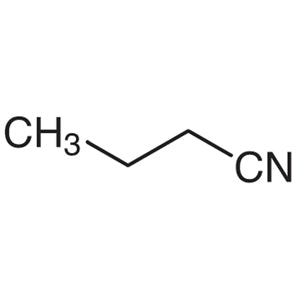
Butyronitrile (TCI B0768), with CAS number 109-74-0, is a chemical compound widely used in laboratory settings for its versatility in organic synthesis. As a non-heterocyclic building block, it serves as a fundamental component in the creation of more complex organic molecules. Its nitrile functional group makes it a valuable reagent for substitution reactions and other chemical transformations, enabling the development of diverse chemical structures. This compound is commonly employed in research and development across various scientific disciplines, particularly in chemistry and biochemistry.
Butyronitrile is known for its polar nature, which allows it to dissolve in a variety of organic solvents such as ethyl acetate and acetone. Its chemical stability under controlled conditions makes it a reliable choice for laboratory use, although it requires careful handling due to its reactivity with other chemicals. The compound also has a distinctive odor, which can impact the laboratory environment if not properly managed. Its reactivity and structural versatility make it an essential tool for chemists working on synthetic pathways.
In Indonesian laboratories, butyronitrile is frequently used in organic chemistry research, especially in the synthesis of compounds with specific structural requirements. It is particularly relevant for academic institutions and research organizations that require high-quality chemical building blocks for experimental work. Its availability and reliability make it a preferred choice for both educational and industrial research applications.
- Organic synthesis applications benefit from butyronitrile's reactivity and structural versatility, allowing the creation of complex molecules.
- It is ideal for substitution reactions due to its nitrile group, which can be modified through various chemical processes.
- In research settings, butyronitrile supports the development of new compounds for pharmaceutical and material science applications.
- Its solubility in organic solvents makes it suitable for use in chromatography and purification techniques.
- It is commonly used in educational laboratories to teach fundamental principles of organic chemistry and reaction mechanisms.
| Brand | TCI |
|---|---|
| CAS number | 109-74-0 |
| Molecular formula | — |
| Purity | — |
| Category | Chemistry > Building Blocks > Non-Heterocyclic Building Blocks |
| Pack sizes | Available in various quantities as per standard laboratory supply |
| Physical form | Liquid |
| Storage | Store in a cool, dry, and well-ventilated area away from incompatible materials |
Butyronitrile should be stored in a cool, dry, and well-ventilated area to maintain its chemical stability. It is recommended to use sealed containers made of materials compatible with its chemical properties, such as glass or high-density polyethylene. Due to its reactivity, it should be kept away from strong oxidizers, acids, and bases. Proper ventilation is essential to manage its distinctive odor. Laboratory personnel should wear appropriate personal protective equipment, including gloves and safety goggles, when handling this compound. Regular monitoring of storage conditions ensures the compound remains safe and effective for use in research and educational environments.
—
Produk Terkait
-
3-Bromobutyronitrile TCI B1452
Regular price From Rp 1.971.000,00Regular priceRp 1.356.000,00Sale price From Rp 1.971.000,00 -
4-Bromo-2,2-diphenylbutyronitrile TCI B1331
Regular price From Rp 907.000,00Regular priceRp 633.000,00Sale price From Rp 907.000,00 -
4-Bromobutyronitrile TCI B0565
Regular price From Rp 1.089.000,00Regular priceRp 756.000,00Sale price From Rp 1.089.000,00 -
4-Phenylbutyronitrile TCI P1025
Regular price Rp 1.608.000,00Regular priceRp 1.109.000,00Sale price Rp 1.608.000,00 -
2-Methylbutyronitrile TCI M0706
Regular price Rp 1.322.000,00Regular priceRp 915.000,00Sale price Rp 1.322.000,00 -
Isobutyronitrile TCI I0112
Regular price From Rp 622.000,00Regular priceRp 439.000,00Sale price From Rp 622.000,00 -
4-Chlorobutyronitrile TCI C0925
Regular price From Rp 1.037.000,00Regular priceRp 721.000,00Sale price From Rp 1.037.000,00 -
(S)-(-)-4-Chloro-3-hydroxybutyronitrile TCI C3331
Regular price From Rp 803.000,00Regular priceRp 562.000,00Sale price From Rp 803.000,00


