1,1'-Binaphthyl is a chemical compound composed of two naphthalene rings connected orthogonally, making it a versatile building block in organic chemistry. This compound plays a crucial role in the synthesis of complex organic molecules, especially in asymmetric reactions and the formation of chiral structures. Its unique structure allows it to participate in various chemical transformations, making it an essential tool for chemists working on advanced synthetic routes. In Indonesian laboratories, it is widely used for both research and educational purposes due to its stability and reactivity.
The compound is known for its high chemical stability and ability to undergo a wide range of chemical reactions. Its symmetrical molecular structure contributes to its effectiveness in creating precise and controlled chemical environments. Additionally, 1,1'-Binaphthyl has a high melting and boiling point, which makes it suitable for use in high-temperature laboratory conditions. These properties make it a preferred choice for applications requiring both durability and reactivity.
In Indonesian laboratories, 1,1'-Binaphthyl is commonly found in pure chemical research, drug development, and organic synthesis projects. It is also used in higher education settings to train students in synthetic chemistry techniques. Its reliability and consistent performance make it a go-to material for both academic and industrial research applications.
TCI brochures (PDF)
- Nanocarbon Materials 2026-09-30 · p. 9
Related TCI products
- TCI B3923 4488-22-6 1,1'-Binaphthyl-2,2'-diamine
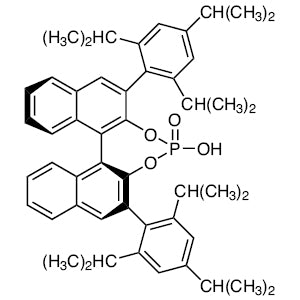
- TCI B6259 874948-63-7 (S)-3,3'-Bis(2,4,6-triisopropylphenyl)-1,1'-binaphthyl-2,2'-diyl Hydrogen Phosphate
- TCI A0005 208-96-8 Acenaphthylene
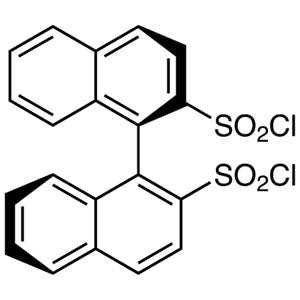
- TCI B4187 1187629-43-1 (R)-1,1'-Binaphthyl-2,2'-disulfonyl Dichloride
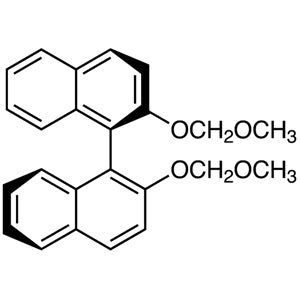
- TCI B3202 173831-50-0 (R)-2,2'-Bis(methoxymethoxy)-1,1'-binaphthyl
- TCI B3067 132071-87-5 [(R)-2,2'-Bis(diphenylphosphino)-1,1'-binaphthyl]ruthenium(II) Dichloride
- Asymmetric synthesis applications benefit from 1,1'-Binaphthyl's ability to provide chiral centers, enabling the creation of enantiomerically pure compounds.
- Organic synthesis projects often use this compound as a key intermediate due to its structural versatility and reactivity in various reaction conditions.
- Drug development research relies on 1,1'-Binaphthyl for constructing complex molecular frameworks with high biological activity.
- Pure chemical research utilizes this compound to study molecular reactivity and structural behavior under different experimental conditions.
- Educational institutions incorporate 1,1'-Binaphthyl into laboratory courses to teach students about synthetic pathways and molecular design.
| Brand | TCI |
|---|---|
| CAS number | 604-53-5 |
| Molecular formula | — |
| Purity | — |
| Category | Chemistry > Building Blocks > Non-Heterocyclic Building Blocks |
| Pack sizes | Available in various sizes as per supplier specifications |
| Physical form | Solid |
| Storage | Store in a cool, dry place away from light and moisture |
1,1'-Binaphthyl should be stored in a cool, dry environment to maintain its chemical stability. It is recommended to keep it in a tightly sealed container to prevent exposure to moisture and air. Due to its solid form, it is best stored in glass or polyethylene containers that are resistant to chemical degradation. Laboratory personnel should handle the compound with care, using appropriate personal protective equipment such as gloves and safety goggles. It is important to ensure that the storage area is well-ventilated to minimize any potential health risks. Proper labeling of containers is essential to avoid confusion and ensure safe handling in a laboratory setting.
—
Produk Terkait
-
1,1'-Binaphthyl-2,2'-diamine TCI B3923
Regular price Rp 3.949.050,00Regular priceRp 2.777.250,00Sale price Rp 3.949.050,00 -
(S)-3,3'-Bis(2,4,6-triisopropylphenyl)-1,1'-binaphthyl-2,2'-diylHydrogenPhosphate TCI B6259
Regular price Rp 7.287.000,00Regular priceRp 5.111.400,00Sale price Rp 7.287.000,00 -
Acenaphthylene TCI A0005
Regular price From Rp 769.650,00Regular priceRp 537.600,00Sale price From Rp 769.650,00 -
(R)-1,1'-Binaphthyl-2,2'-disulfonylDichloride TCI B4187
Regular price From Rp 6.015.450,00Regular priceRp 4.206.300,00Sale price From Rp 6.015.450,00 -
(R)-2,2'-Bis(methoxymethoxy)-1,1'-binaphthyl TCI B3202
Regular price From Rp 1.829.100,00Regular priceRp 1.278.900,00Sale price From Rp 1.829.100,00 -
[(R)-2,2'-Bis(diphenylphosphino)-1,1'-binaphthyl]ruthenium(II)Dichloride TCI B3067
Regular price Rp 5.485.200,00Regular priceRp 3.851.400,00Sale price Rp 5.485.200,00 -
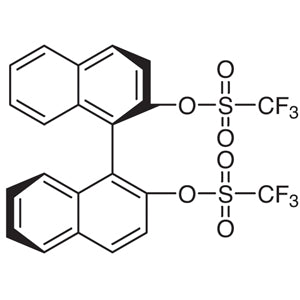
(S)-(+)-1,1'-Binaphthyl-2,2'-diylBis(trifluoromethanesulfonate) TCI B2231
Regular price Rp 1.565.550,00Regular priceRp 1.094.100,00Sale price Rp 1.565.550,00 -
(R)-(-)-1,1'-Binaphthyl-2,2'-diylBis(trifluoromethanesulfonate) TCI B2230
Regular price Rp 1.829.100,00Regular priceRp 1.278.900,00Sale price Rp 1.829.100,00