Hexamethyl Benzenehexacarboxylate (HMBHC), with CAS number 6237-59-8, is a chemical compound widely used as a building block in the synthesis of complex molecules. It serves as a fundamental component in organic chemistry, enabling the construction of new molecular structures through controlled chemical reactions. In laboratory settings, HMBHC is essential for the development of heterocyclic compounds and polymers, offering researchers the flexibility to create substances with specific functional properties. Its role is critical in advancing chemical research and innovation.
HMBHC is valued for its stable molecular structure and controlled reactivity. The presence of six methyl groups attached to the benzene ring enhances its stability, making it less prone to unwanted side reactions. Additionally, the carboxylic acid groups in its structure allow for participation in esterification and hydrolysis reactions, which are fundamental in many synthetic processes. These properties make HMBHC a reliable and versatile reagent in chemical synthesis. Its non-spontaneous reactivity also ensures safe handling and storage, reducing potential hazards in the laboratory environment.
In Indonesian laboratories, HMBHC is commonly used in organic synthesis and the development of new chemical compounds. Researchers rely on its predictable behavior and structural versatility to design and synthesize a wide range of molecules. Its application spans various scientific disciplines, including pharmaceutical research and materials science, supporting the advancement of chemical knowledge and innovation in the region.
Related TCI products
- TCI H1278 828-26-2 2,2,4,4,6,6-Hexamethyl-1,3,5-trithiane
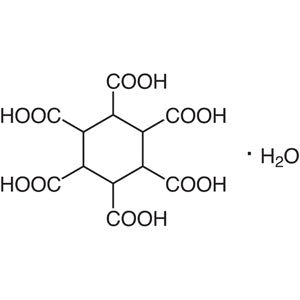
- TCI C1427 2216-84-4 1,2,3,4,5,6-Cyclohexanehexacarboxylic Acid Monohydrate
- TCI B1814 143-23-7 Bis(hexamethylene)triamine
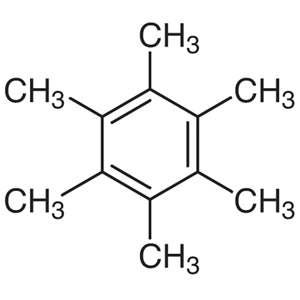
- TCI H0410 87-85-4 Hexamethylbenzene Zone Refined (number of passes:20)
- TCI H0087 87-85-4 Hexamethylbenzene
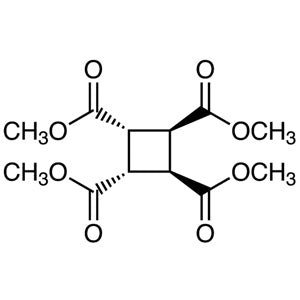
- TCI T2769 1032-95-7 Tetramethyl cis,trans,cis-1,2,3,4-Cyclobutanetetracarboxylate
- Organic synthesis where controlled reactivity and molecular stability are essential for constructing complex compounds.
- Development of heterocyclic compounds due to its structural versatility and predictable chemical behavior.
- Polymer research as a building block for creating new materials with specific functional properties.
- Esterification and hydrolysis reactions because of its carboxylic acid groups that participate in these fundamental chemical processes.
- Chemical research in Indonesian laboratories for the synthesis of new compounds and the exploration of molecular structures.
| Brand | TCI |
|---|---|
| CAS number | 6237-59-8 |
| Molecular formula | — |
| Purity | — |
| Category | Chemistry > Building Blocks > Non-Heterocyclic Building Blocks |
| Pack sizes | Available in standard laboratory quantities as per supplier specifications |
| Physical form | Solid, crystalline appearance |
| Storage | Store in a cool, dry place away from direct sunlight and moisture |
Hexamethyl Benzenehexacarboxylate should be stored in a cool, dry environment to maintain its stability and prevent degradation. It is recommended to use airtight containers to protect it from moisture and air exposure. Due to its non-reactive nature, it poses minimal risk during storage, but standard laboratory safety protocols should still be followed. Proper labeling of containers is essential to ensure safe handling and prevent accidental use. The compound should be kept away from incompatible materials and stored in a secure location to minimize any potential hazards. Regular inspection of storage conditions is advised to ensure the integrity of the material remains intact.
—
Produk Terkait
-
2,2,4,4,6,6-Hexamethyl-1,3,5-trithiane TCI H1278
Regular price Rp 1.590.750,00Regular priceRp 1.127.700,00Sale price Rp 1.590.750,00 -
1,2,3,4,5,6-CyclohexanehexacarboxylicAcidMonohydrate TCI C1427
Regular price From Rp 2.491.650,00Regular priceRp 1.741.950,00Sale price From Rp 2.491.650,00 -
Bis(hexamethylene)triamine TCI B1814
Regular price From Rp 557.550,00Regular priceRp 389.550,00Sale price From Rp 557.550,00 -
HexamethylbenzeneZoneRefined(numberofpasses:20) TCI H0410
Regular price Rp 3.155.250,00Regular priceRp 2.206.050,00Sale price Rp 3.155.250,00 -
Hexamethylbenzene TCI H0087
Regular price From Rp 2.650.200,00Regular priceRp 1.853.250,00Sale price From Rp 2.650.200,00 -
Tetramethylcis,trans,cis-1,2,3,4-Cyclobutanetetracarboxylate TCI T2769
Regular price Rp 4.479.300,00Regular priceRp 3.132.150,00Sale price Rp 4.479.300,00