6,6'-Dihydroxy-4,4,4',4',7,7'-hexamethyl-2,2'-spirobichroman is a chemical compound widely used as a building block in the synthesis of complex molecules. Its unique spirobichroman structure provides a versatile platform for creating compounds with specific optical and chemical properties. This compound is essential in organic chemistry laboratories where the development of stable and functional molecules is required. Its role as a foundational element in chemical synthesis makes it a valuable tool for researchers aiming to expand their understanding of molecular design and reactivity.
The compound's chemical stability and controlled reactivity make it a preferred choice for various synthetic applications. The presence of hydroxyl groups at both ends allows for substitution reactions and functional group modifications, enhancing its utility in complex molecule synthesis. Its well-defined molecular structure ensures predictable behavior in chemical reactions, making it a reliable component in laboratory processes. These characteristics make it an ideal candidate for use in both academic and industrial research settings.
In Indonesian laboratories, this compound is commonly used in scientific research and educational institutions to support the development of organic compounds. It is a key component in projects related to organic chemistry and functional chemistry, contributing to the advancement of chemical knowledge. Its application is widespread in both research and teaching environments, where its properties are leveraged to explore new synthetic pathways and molecular structures.
Related TCI products
- TCI D1685 42523-29-5 2,7-Dihydroxy-9H-fluoren-9-one
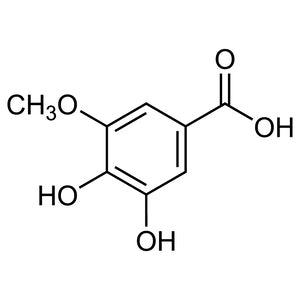
- TCI M3669 3934-84-7 3,4-Dihydroxy-5-methoxybenzoic Acid
- TCI M2794 24093-81-0 Methyl 3,5-Dihydroxy-4-methoxybenzoate
- TCI D6071 4707-47-5 Methyl 2,4-Dihydroxy-3,6-dimethylbenzoate
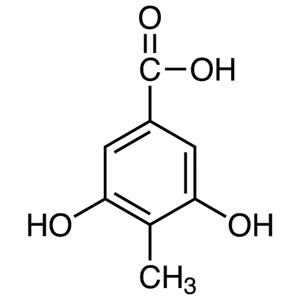
- TCI D4712 28026-96-2 3,5-Dihydroxy-4-methylbenzoic Acid
- TCI D4479 3934-87-0 3,4-Dihydroxy-5-methoxybenzaldehyde
- Organic synthesis projects benefit from this compound's stable structure and reactivity, enabling the creation of complex molecules with desired properties.
- Functional chemistry research utilizes its hydroxyl groups for substitution reactions, allowing for the development of diverse chemical functionalities.
- Educational institutions use it to teach fundamental concepts in organic chemistry, providing students with hands-on experience in molecular synthesis.
- Research laboratories incorporate it into drug development processes, where its structural versatility supports the design of bioactive compounds.
- Industrial applications rely on its predictable behavior in chemical reactions, ensuring consistent results in large-scale synthesis processes.
| Brand | TCI |
|---|---|
| CAS number | 40278-59-9 |
| Molecular formula | — |
| Purity | — |
| Category | Chemistry > Building Blocks > Non-Heterocyclic Building Blocks |
| Pack sizes | Available in various quantities as per supplier specifications |
| Physical form | Solid, crystalline appearance |
| Storage | Store in a cool, dry place away from direct sunlight |
This compound should be stored in a cool, dry environment, away from direct sunlight and sources of heat. It is recommended to use airtight containers to prevent moisture absorption and contamination. Due to its chemical stability, it does not require refrigeration but should be kept in a secure location to avoid accidental exposure. In laboratory settings, proper personal protective equipment such as gloves and safety goggles should be worn when handling. The compound is non-hazardous under normal conditions but should be handled with care to ensure safety and maintain its integrity. Regular monitoring of storage conditions is advised to maintain optimal performance and ensure the compound remains suitable for use in chemical synthesis.
—
Produk Terkait
-
2,7-Dihydroxy-9H-fluoren-9-one TCI D1685
Regular price From Rp 1.510.950,00Regular price -
3,4-Dihydroxy-5-methoxybenzoicAcid TCI M3669
Regular price From Rp 3.578.400,00Regular price -
Methyl3,5-Dihydroxy-4-methoxybenzoate TCI M2794
Regular price Rp 3.630.900,00Regular price -
Methyl2,4-Dihydroxy-3,6-dimethylbenzoate TCI D6071
Regular price From Rp 1.273.650,00Regular price -
3,5-Dihydroxy-4-methylbenzoicAcid TCI D4712
Regular price From Rp 1.431.150,00Regular price -
3,4-Dihydroxy-5-methoxybenzaldehyde TCI D4479
Regular price From Rp 3.021.900,00Regular price -
3,4-Dihydroxy-5-nitrobenzaldehyde TCI D3645
Regular price Rp 2.862.300,00Regular price -
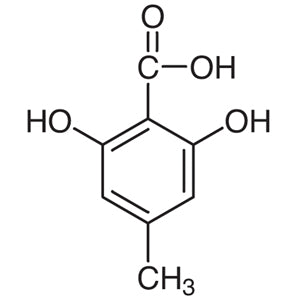
2,6-Dihydroxy-4-methylbenzoicAcid TCI D2770
Regular price Rp 7.234.500,00Regular price