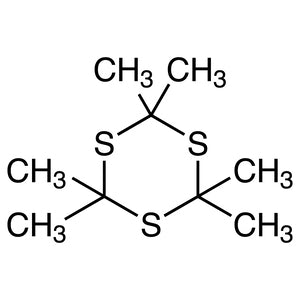
2,2,4,4,6,6-Hexamethyl-1,3,5-trithiane with CAS number 828-26-2 is a six-membered cyclic compound built from three sulfur atoms and three carbon atoms arranged in alternating positions, with each carbon atom carrying two methyl groups. The structure represents the cyclic trimer of thioacetone and serves as an important reference material for researchers studying organosulfur chemistry. In the laboratory, this compound is used as a precursor for generating reactive thiocarbonyl species and as a starting material in the synthesis of sulfur-containing compounds.
The characteristic that makes this material attractive to researchers is the trithiane framework, which remains relatively stable at room temperature yet can be decomposed in a controlled manner to release thiocarbonyl units under specific conditions. The six methyl groups surrounding the ring provide substantial steric shielding, which makes the compound considerably easier to handle than free thiocarbonyl species, which are extremely reactive. The presence of three sulfur atoms also allows the molecule to act as a ligand capable of coordinating with soft metals such as silver, gold, or mercury. Its symmetrical structure produces simple spectra that are easy to verify.
In Indonesian laboratories, this building block is typically used within university research groups and institutional chemistry facilities working on organosulfur synthesis. It supports method development work where a stable, well-defined source of thiocarbonyl units is required, and it functions as a reference compound in analytical and spectroscopic comparison work. Research teams exploring sulfur-containing heterocycles and coordination chemistry with soft metal centers draw on this material as a dependable non-heterocyclic starting point.
Related TCI products
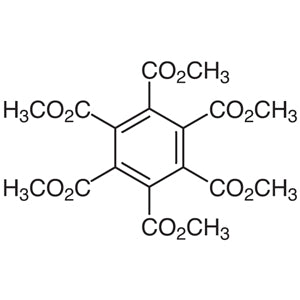
- TCI B1107 6237-59-8 Hexamethyl Benzenehexacarboxylate
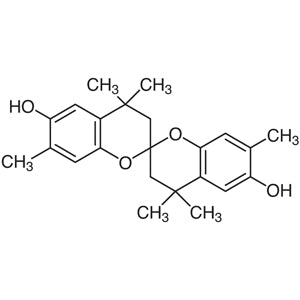
- TCI D2286 40278-59-9 6,6'-Dihydroxy-4,4,4',4',7,7'-hexamethyl-2,2'-spirobichroman
- TCI B1814 143-23-7 Bis(hexamethylene)triamine
- TCI T0600 25513-64-8 Trimethylhexamethylenediamine (2,2,4- and 2,4,4- mixture)
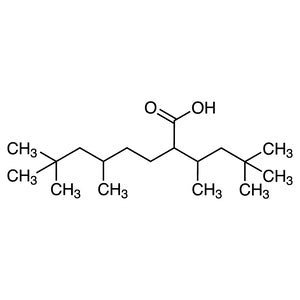
- TCI I0184 54680-48-7 Isostearic Acid (=2,2,4,8,10,10-Hexamethylundecane-5-carboxylic Acid)
- TCI H0410 87-85-4 Hexamethylbenzene Zone Refined (number of passes:20)
- Thiocarbonyl precursor chemistry — the trithiane ring can be broken down under controlled conditions to release thiocarbonyl units, giving researchers access to reactive intermediates that cannot be stored directly.
- Organosulfur synthesis — serves as a starting material for building sulfur-containing compounds, providing three sulfur atoms in a defined arrangement within a single, easily weighed solid reagent.
- Coordination chemistry with soft metals — the three ring sulfur atoms allow the molecule to function as a ligand toward silver, gold, or mercury centers in complexation studies.
- Spectroscopic reference work — the highly symmetrical structure generates simple, readily interpreted spectra, which makes the compound convenient for instrument verification and comparison against newly synthesized materials.
- Methodology and mechanism studies — the contrast between ring stability at room temperature and controlled decomposition makes this an instructive substrate for investigating thiocarbonyl reactivity and reaction pathways.
| Brand | TCI |
|---|---|
| CAS number | 828-26-2 |
| Molecular formula | — |
| Purity | — |
| Category | Chemistry > Building Blocks > Non-Heterocyclic Building Blocks |
| Pack sizes | available in standard research-scale packaging; please confirm the specific pack size when ordering |
| Physical form | — |
| Storage | store under the conditions stated on the manufacturer label and accompanying documentation |
- Product code: H1278
Store the container in a cool, dry, and well-ventilated area, away from direct sunlight, heat sources, and ignition sources, following the storage conditions indicated on the manufacturer label. Keep the material in its original tightly closed container, or in a chemically compatible sealed container with a clear label, to limit exposure to air and moisture. As with all organosulfur compounds, handle inside a fume hood to manage odour, and wear appropriate personal protective equipment including safety glasses, gloves, and a laboratory coat. Keep the compound separated from strong oxidizing agents and consult the manufacturer safety data sheet before use and disposal.
—
Produk Terkait
-
HexamethylBenzenehexacarboxylate TCI B1107
Regular price Rp 4.664.100,00Regular price -
6,6'-Dihydroxy-4,4,4',4',7,7'-hexamethyl-2,2'-spirobichroman TCI D2286
Regular price Rp 4.213.650,00Regular price -
Bis(hexamethylene)triamine TCI B1814
Regular price From Rp 557.550,00Regular price -
Trimethylhexamethylenediamine(2,2,4-and2,4,4-mixture) TCI T0600
Regular price From Rp 795.900,00Regular price -
IsostearicAcid(=2,2,4,8,10,10-Hexamethylundecane-5-carboxylicAcid) TCI I0184
Regular price From Rp 664.650,00Regular price -
HexamethylbenzeneZoneRefined(numberofpasses:20) TCI H0410
Regular price Rp 3.155.250,00Regular price -
HexamethyleneDiisocyanate TCI H0324
Regular price From Rp 477.750,00Regular price -
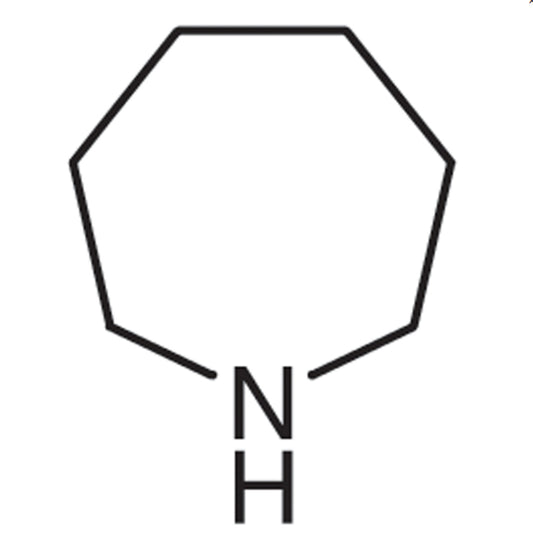
Hexamethyleneimine TCI H0092
Regular price From Rp 505.050,00Regular price