Trimethylhexamethylenediamine (2,2,4- and 2,4,4- mixture), also known by its CAS number 25513-64-8, is a versatile chemical compound widely used in laboratory settings. It serves as a fundamental building block in the synthesis of complex molecules, playing a crucial role in polymerization reactions and molecular modification processes. Its unique molecular structure allows for multiple functional group interactions, making it a valuable tool for chemists working on a variety of synthetic pathways. This compound is particularly important in the development of new materials and pharmaceuticals due to its reactivity and adaptability.
One of the key reasons for its popularity is its ability to form stable bonds with various functional groups, which enhances its utility in chemical reactions. The compound exhibits chemical stability under specific conditions, which simplifies handling and storage. These properties make it a reliable choice for researchers who require consistent performance in their experiments. Additionally, its availability in different packaging options ensures that it can be easily integrated into laboratory workflows without logistical challenges.
In Indonesian laboratories, Trimethylhexamethylenediamine is commonly used in chemical research, especially in polymer science and the synthesis of complex compounds. Its widespread application is due to its reactivity and the broad range of chemical interactions it supports. Researchers in Indonesia rely on this compound for its reliability and effectiveness in various experimental setups, making it a staple in many chemical laboratories across the country.
Related TCI products
- TCI B1814 143-23-7 Bis(hexamethylene)triamine
- TCI B4014 37942-69-1 4-Butylcyclohexylamine (cis- and trans- mixture)
- TCI B4004 25834-93-9 4-sec-Butylcyclohexylamine (cis- and trans- mixture)
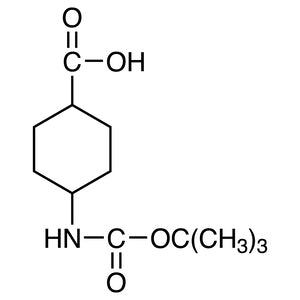
- TCI B3248 130309-46-5 4-(tert-Butoxycarbonylamino)cyclohexanecarboxylic Acid (cis- and trans- mixture)
- TCI B1084 5400-88-4 4-tert-Butylcyclohexylamine (cis- and trans- mixture)
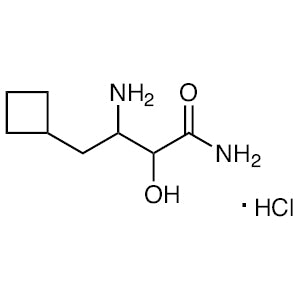
- TCI A3314 394735-23-0 3-Amino-4-cyclobutyl-2-hydroxybutanamide Hydrochloride (mixture of diastereoisomers)
- Polymer synthesis and modification due to its ability to form stable bonds with functional groups, enabling the creation of diverse polymer structures.
- Pharmaceutical research as a building block for the synthesis of complex organic molecules with specific functional groups.
- Organic chemistry experiments for its reactivity in nucleophilic and electrophilic reactions, allowing for the formation of various chemical bonds.
- Material science applications in the development of new polymers and composite materials with tailored properties.
- Industrial chemical processes where its chemical stability and reactivity support the production of specialty chemicals and intermediates.
| Brand | TCI |
|---|---|
| CAS number | 25513-64-8 |
| Molecular formula | — |
| Purity | — |
| Category | Chemistry > Building Blocks > Non-Heterocyclic Building Blocks |
| Pack sizes | Available in various sizes to suit different laboratory needs |
| Physical form | Liquid |
| Storage | Store in a cool, dry place away from direct sunlight and incompatible materials |
Trimethylhexamethylenediamine should be stored in a cool, dry environment to maintain its chemical stability. It is recommended to keep it in a tightly sealed container to prevent exposure to air and moisture. The substance should be stored away from incompatible materials such as strong oxidizers and acids to avoid potential chemical reactions. Laboratory personnel should handle the compound with appropriate personal protective equipment, including gloves and safety goggles, to ensure safety during use. Regular inspection of storage conditions and containers is essential to maintain the integrity of the material and prevent any risk of contamination or degradation. Proper labeling of containers is also important to ensure safe handling and usage in the laboratory setting.
—
Produk Terkait
-
Bis(hexamethylene)triamine TCI B1814
Regular price From Rp 557.550,00Regular priceRp 389.550,00Sale price From Rp 557.550,00 -
4-Butylcyclohexylamine(cis-andtrans-mixture) TCI B4014
Regular price From Rp 3.445.050,00Regular priceRp 2.424.450,00Sale price From Rp 3.445.050,00 -
4-sec-Butylcyclohexylamine(cis-andtrans-mixture) TCI B4004
Regular price Rp 3.285.450,00Regular priceRp 2.313.150,00Sale price Rp 3.285.450,00 -
4-(tert-Butoxycarbonylamino)cyclohexanecarboxylicAcid(cis-andtrans-mixture) TCI B3248
Regular price From Rp 2.677.500,00Regular priceRp 1.887.900,00Sale price From Rp 2.677.500,00 -
4-tert-Butylcyclohexylamine(cis-andtrans-mixture) TCI B1084
Regular price From Rp 1.246.350,00Regular priceRp 887.250,00Sale price From Rp 1.246.350,00 -
3-Amino-4-cyclobutyl-2-hydroxybutanamideHydrochloride(mixtureofdiastereoisomers) TCI A3314
Regular price From Rp 1.008.000,00Regular priceRp 720.300,00Sale price From Rp 1.008.000,00 -
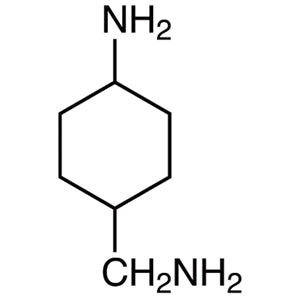
4-(Aminomethyl)cyclohexanamine(cis-andtrans-mixture) TCI A3258
Regular price From Rp 2.969.400,00Regular priceRp 2.091.600,00Sale price From Rp 2.969.400,00