4-Butylcyclohexylamine (cis- and trans- mixture), with CAS number 37942-69-1, is a chemical compound widely used as a building block in the synthesis of complex molecules. This compound features a cyclohexyl ring connected to a butyl chain, making it a versatile intermediate in organic chemistry. Its structural characteristics allow it to participate in various chemical reactions, making it a key component in the development of pharmaceuticals and industrial chemicals. In the laboratory, it serves as a foundational material for researchers aiming to create new compounds with specific functional groups.
The compound’s reactivity and structural versatility make it a preferred choice for synthetic chemists. Its ability to interact with different functional groups enables it to be used in substitution, reduction, and oxidation reactions. Additionally, its polar nature allows it to dissolve in organic solvents such as ethyl acetate and ethanol, enhancing its utility in reaction systems. These properties make it a valuable resource for those working on complex organic synthesis and molecular design.
In Indonesian laboratories, 4-Butylcyclohexylamine is commonly used in scientific research focused on organic chemistry and the development of new chemical compounds. Its role in pharmaceutical and industrial applications makes it an essential material for researchers aiming to innovate in chemical synthesis. The compound’s availability and chemical properties support its use in a wide range of experimental setups, contributing to the advancement of scientific knowledge in the region.
Related TCI products
- TCI B4004 25834-93-9 4-sec-Butylcyclohexylamine (cis- and trans- mixture)
- TCI B1084 5400-88-4 4-tert-Butylcyclohexylamine (cis- and trans- mixture)
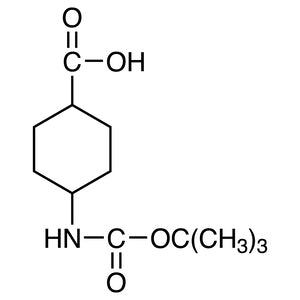
- TCI B3248 130309-46-5 4-(tert-Butoxycarbonylamino)cyclohexanecarboxylic Acid (cis- and trans- mixture)
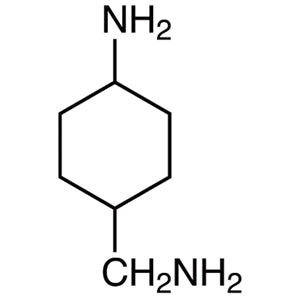
- TCI A3258 13338-82-4 4-(Aminomethyl)cyclohexanamine (cis- and trans- mixture)
- TCI A2609 202256-86-8 4-(2-Aminoethyl)cyclohexylamine (cis- and trans- mixture)
- TCI T0601 15901-42-5 3,3,5-Trimethylcyclohexylamine (cis- and trans- mixture)
- Organic synthesis of pharmaceutical compounds due to its structural versatility and reactivity.
- Development of industrial chemicals as a building block for complex molecular structures.
- Research in chemical engineering for the creation of new materials and functional compounds.
- Use in academic research for the study of reaction mechanisms and chemical transformations.
- Application in drug discovery processes to design and modify active pharmaceutical ingredients.
| Brand | TCI |
|---|---|
| CAS number | 37942-69-1 |
| Molecular formula | — |
| Purity | — |
| Category | Chemistry > Building Blocks > Non-Heterocyclic Building Blocks |
| Pack sizes | Available in standard laboratory quantities as per supplier specifications |
| Physical form | Liquid or solid, depending on supplier packaging |
| Storage | Store in a cool, dry place away from direct sunlight and moisture |
This compound should be stored in a cool, dry environment to maintain its chemical stability. It is recommended to keep it in a sealed container to prevent exposure to moisture and air, which can affect its reactivity. Due to its polar nature, it is advisable to use glass or polyethylene containers to avoid chemical interactions with the container material. Always handle the compound in a well-ventilated area to minimize inhalation risks. Proper personal protective equipment, such as gloves and safety goggles, should be worn during handling to ensure laboratory safety. The compound should not be stored near incompatible substances to prevent potential chemical reactions.
—
Produk Terkait
-
4-sec-Butylcyclohexylamine(cis-andtrans-mixture) TCI B4004
Regular price Rp 3.285.450,00Regular priceRp 2.313.150,00Sale price Rp 3.285.450,00 -
4-tert-Butylcyclohexylamine(cis-andtrans-mixture) TCI B1084
Regular price From Rp 1.246.350,00Regular priceRp 887.250,00Sale price From Rp 1.246.350,00 -
4-(tert-Butoxycarbonylamino)cyclohexanecarboxylicAcid(cis-andtrans-mixture) TCI B3248
Regular price From Rp 2.677.500,00Regular priceRp 1.887.900,00Sale price From Rp 2.677.500,00 -
4-(Aminomethyl)cyclohexanamine(cis-andtrans-mixture) TCI A3258
Regular price From Rp 2.969.400,00Regular priceRp 2.091.600,00Sale price From Rp 2.969.400,00 -
4-(2-Aminoethyl)cyclohexylamine(cis-andtrans-mixture) TCI A2609
Regular price From Rp 3.232.950,00Regular priceRp 2.276.400,00Sale price From Rp 3.232.950,00 -
3,3,5-Trimethylcyclohexylamine(cis-andtrans-mixture) TCI T0601
Regular price Rp 2.173.500,00Regular priceRp 1.535.100,00Sale price Rp 2.173.500,00 -
3-Methylcyclohexylamine(cis-andtrans-mixture) TCI M2105
Regular price From Rp 7.182.000,00Regular priceRp 5.037.900,00Sale price From Rp 7.182.000,00 -
4-Methylcyclohexylamine(cis-andtrans-mixture) TCI M1117
Regular price From Rp 1.140.300,00Regular priceRp 812.700,00Sale price From Rp 1.140.300,00