3-Methylcyclohexylamine (cis- and trans- mixture), with CAS number 6850-35-7, is a chemical compound widely used in laboratory settings for the synthesis of complex molecules. This compound serves as a building block in organic chemistry, playing a crucial role in various chemical reactions such as substitution, reduction, and condensation. Its cyclic structure allows for versatile interactions with different reagents and catalysts, making it a valuable tool in synthetic chemistry.
The compound’s polar nature enables it to dissolve in organic solvents like ethylamine and ethyl acetate, which enhances its utility in reaction systems. The presence of both cis and trans isomers provides flexibility in reactivity and application, offering researchers a range of options for molecular design. This versatility makes it an ideal choice for studies requiring structural variation and functional group manipulation.
In Indonesian laboratories, 3-Methylcyclohexylamine is commonly used in organic chemistry research, particularly in universities and research institutions focused on the synthesis of new compounds. It is frequently found in projects related to drug development, fragrance chemistry, and materials science. Its availability and chemical properties make it a standard reagent in many experimental setups across the country.
Related TCI products
- TCI M1780 2523-55-9 trans-4-Methylcyclohexylamine
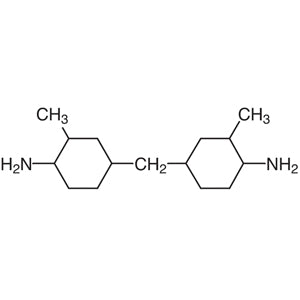
- TCI M1422 6864-37-5 4,4'-Methylenebis(2-methylcyclohexylamine) (mixture of isomers)
- TCI M1117 6321-23-9 4-Methylcyclohexylamine (cis- and trans- mixture)
- TCI M0896 7003-32-9 2-Methylcyclohexylamine (cis- and trans- mixture)
- TCI B4014 37942-69-1 4-Butylcyclohexylamine (cis- and trans- mixture)
- TCI B4004 25834-93-9 4-sec-Butylcyclohexylamine (cis- and trans- mixture)
- Organic synthesis projects benefit from this compound due to its ability to participate in multiple reaction types and its cyclic structure.
- Drug development initiatives often use it as a precursor for creating complex molecular frameworks with potential pharmaceutical applications.
- Research in fragrance and flavor chemistry utilizes its reactivity and structural versatility to design new aromatic compounds.
- Materials science studies incorporate it for the synthesis of polymers and other advanced materials with specific functional properties.
- Educational laboratories use it as a teaching tool to demonstrate concepts like isomerism, reaction mechanisms, and molecular structure.
| Brand | TCI |
|---|---|
| CAS number | 6850-35-7 |
| Molecular formula | — |
| Purity | — |
| Category | Chemistry > Building Blocks > Non-Heterocyclic Building Blocks |
| Pack sizes | Available in various sizes as per standard supplier offerings |
| Physical form | Liquid |
| Storage | Store in a cool, dry place away from direct sunlight and incompatible substances |
This compound should be stored in a cool, dry environment, away from direct sunlight and sources of heat. It is recommended to use airtight containers made of materials compatible with organic solvents to prevent contamination and evaporation. Due to its polar nature, it should be kept separate from strong oxidizing agents and reactive metals. In laboratory settings, proper personal protective equipment such as gloves and safety goggles should always be worn when handling. Regular monitoring of storage conditions is essential to maintain the compound’s integrity and ensure safe usage.
—
Produk Terkait
-
trans-4-Methylcyclohexylamine TCI M1780
Regular price From Rp 2.227.050,00Regular price -
4,4'-Methylenebis(2-methylcyclohexylamine)(mixtureofisomers) TCI M1422
Regular price From Rp 505.050,00Regular price -
4-Methylcyclohexylamine(cis-andtrans-mixture) TCI M1117
Regular price From Rp 1.087.800,00Regular price -
2-Methylcyclohexylamine(cis-andtrans-mixture) TCI M0896
Regular price From Rp 1.008.000,00Regular price -
4-Butylcyclohexylamine(cis-andtrans-mixture) TCI B4014
Regular price From Rp 3.392.550,00Regular price -
4-sec-Butylcyclohexylamine(cis-andtrans-mixture) TCI B4004
Regular price Rp 3.232.950,00Regular price -
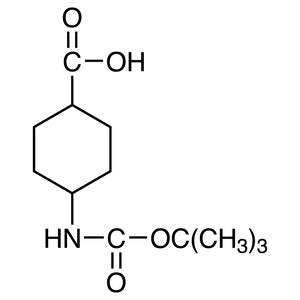
4-(tert-Butoxycarbonylamino)cyclohexanecarboxylicAcid(cis-andtrans-mixture) TCI B3248
Regular price From Rp 2.625.000,00Regular price -
4-tert-Butylcyclohexylamine(cis-andtrans-mixture) TCI B1084
Regular price From Rp 1.193.850,00Regular price