3,3,5-Trimethylcyclohexylamine (cis- and trans- mixture) is a versatile organic compound widely used in laboratory settings for synthetic chemistry applications. This compound belongs to the class of non-heterocyclic building blocks and serves as a key intermediate in the synthesis of complex molecules. Its unique structure, featuring a cyclohexane ring with three methyl groups, provides a stable foundation for various chemical transformations. Due to its chemical stability and reactivity, it is a valuable resource for researchers aiming to develop new compounds with specific functional properties.
The compound's ability to participate in multiple reaction types, such as substitution, reduction, and addition reactions, makes it a preferred choice for synthetic chemists. Its solubility in organic solvents like ethyl acetate and acetone further enhances its utility in laboratory procedures. These properties allow it to be used in a wide range of chemical processes, from pharmaceutical development to industrial chemical synthesis. Its dual isomeric form also adds to its versatility, enabling the creation of diverse molecular structures.
In Indonesian laboratories, 3,3,5-Trimethylcyclohexylamine is commonly used in organic chemistry research, particularly in projects involving the synthesis of bioactive compounds and industrial chemicals. Its availability and chemical properties make it a standard reagent in many research facilities. Researchers rely on its consistent performance and compatibility with various reaction conditions to achieve reliable results in their experiments.
Related TCI products
- TCI B4014 37942-69-1 4-Butylcyclohexylamine (cis- and trans- mixture)
- TCI B4004 25834-93-9 4-sec-Butylcyclohexylamine (cis- and trans- mixture)
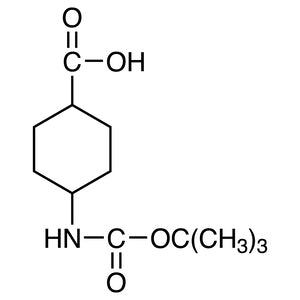
- TCI B3248 130309-46-5 4-(tert-Butoxycarbonylamino)cyclohexanecarboxylic Acid (cis- and trans- mixture)
- TCI B1084 5400-88-4 4-tert-Butylcyclohexylamine (cis- and trans- mixture)
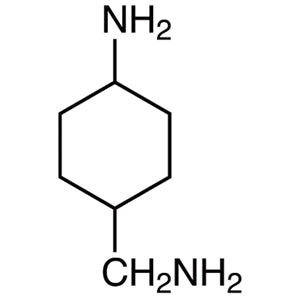
- TCI A3258 13338-82-4 4-(Aminomethyl)cyclohexanamine (cis- and trans- mixture)
- TCI A2609 202256-86-8 4-(2-Aminoethyl)cyclohexylamine (cis- and trans- mixture)
- Organic synthesis projects benefit from this compound's ability to participate in multiple reaction types, making it ideal for creating complex molecular structures.
- Pharmaceutical research utilizes its role as a building block in the development of bioactive compounds and drug candidates.
- Industrial chemical synthesis relies on its stability and solubility, allowing for efficient production of specialty chemicals.
- Research into functional materials leverages its reactivity to design compounds with specific chemical and physical properties.
- Academic laboratories use it as a standard reagent for teaching and experimental work in organic chemistry courses.
| Brand | TCI |
|---|---|
| CAS number | 15901-42-5 |
| Molecular formula | — |
| Purity | — |
| Category | Chemistry > Building Blocks > Non-Heterocyclic Building Blocks |
| Pack sizes | Available in various quantities as per standard laboratory supply |
| Physical form | Liquid |
| Storage | Store in a cool, dry place away from direct sunlight and incompatible materials |
This compound should be stored in a cool, dry environment, away from direct sunlight and sources of heat. It is recommended to keep it in a tightly sealed container to prevent exposure to air and moisture. Due to its chemical nature, it should be stored separately from strong oxidizing agents and reactive materials to avoid potential chemical interactions. In laboratory settings, it is important to handle the compound with appropriate personal protective equipment, including gloves and safety goggles, to ensure safe handling. Proper ventilation should be maintained when working with this substance to minimize inhalation risks. Always follow standard laboratory safety protocols when handling and using this compound.
—
Produk Terkait
-
4-Butylcyclohexylamine(cis-andtrans-mixture) TCI B4014
Regular price From Rp 3.445.050,00Regular priceRp 2.424.450,00Sale price From Rp 3.445.050,00 -
4-sec-Butylcyclohexylamine(cis-andtrans-mixture) TCI B4004
Regular price Rp 3.285.450,00Regular priceRp 2.313.150,00Sale price Rp 3.285.450,00 -
4-(tert-Butoxycarbonylamino)cyclohexanecarboxylicAcid(cis-andtrans-mixture) TCI B3248
Regular price From Rp 2.677.500,00Regular priceRp 1.887.900,00Sale price From Rp 2.677.500,00 -
4-tert-Butylcyclohexylamine(cis-andtrans-mixture) TCI B1084
Regular price From Rp 1.246.350,00Regular priceRp 887.250,00Sale price From Rp 1.246.350,00 -
4-(Aminomethyl)cyclohexanamine(cis-andtrans-mixture) TCI A3258
Regular price From Rp 2.969.400,00Regular priceRp 2.091.600,00Sale price From Rp 2.969.400,00 -
4-(2-Aminoethyl)cyclohexylamine(cis-andtrans-mixture) TCI A2609
Regular price From Rp 3.232.950,00Regular priceRp 2.276.400,00Sale price From Rp 3.232.950,00 -
3-Methylcyclohexylamine(cis-andtrans-mixture) TCI M2105
Regular price From Rp 7.182.000,00Regular priceRp 5.037.900,00Sale price From Rp 7.182.000,00 -
4-Methylcyclohexylamine(cis-andtrans-mixture) TCI M1117
Regular price From Rp 1.140.300,00Regular priceRp 812.700,00Sale price From Rp 1.140.300,00