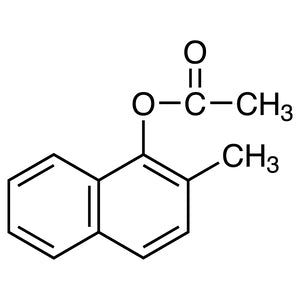
2-Naphthyl Benzoate is a chemical compound widely used in laboratory settings for various synthetic reactions. As a building block in organic chemistry, it plays a crucial role in the synthesis of complex molecules. This compound is commonly utilized in the development of aromatic and heterocyclic compounds, making it an essential reagent for chemists. Its versatility allows it to be incorporated into a wide range of chemical processes, contributing to the creation of new molecular structures.
The properties of 2-Naphthyl Benzoate make it a preferred choice for laboratory use. It is an organic compound with a stable molecular structure, enabling it to react efficiently with different reagents. Its non-polar nature allows it to dissolve well in organic solvents, making it suitable for a variety of experimental conditions. Additionally, its ability to form bonds with functional groups enhances its utility in molecular modification processes. These characteristics ensure its reliability in both qualitative and quantitative analyses.
In Indonesian laboratories, 2-Naphthyl Benzoate is frequently used in organic chemistry research, particularly in the synthesis of new compounds. It is also employed in analytical procedures to identify molecular structures. Its availability in the local market ensures that it is easily accessible for researchers and students. Its consistent performance and reliability make it a trusted material in chemical experiments across various scientific disciplines.
- Organic synthesis: 2-Naphthyl Benzoate is ideal for creating complex organic molecules due to its reactivity and structural versatility.
- Heterocyclic compound development: It serves as a building block for synthesizing heterocyclic structures, which are common in pharmaceutical and industrial applications.
- Qualitative analysis: Its distinct chemical properties make it useful in identifying molecular structures through spectroscopic and chromatographic methods.
- Solvent compatibility: The non-polar nature of the compound allows it to dissolve in various organic solvents, making it suitable for solution-based experiments.
- Molecular modification: Its ability to bond with functional groups facilitates the modification of molecular structures in synthetic reactions.
| Brand | TCI |
|---|---|
| CAS number | 93-44-7 |
| Molecular formula | — |
| Purity | — |
| Category | Chemistry > Building Blocks > Non-Heterocyclic Building Blocks |
| Pack sizes | Available in standard laboratory quantities |
| Physical form | Solid |
| Storage | Store in a cool, dry place away from direct sunlight |
2-Naphthyl Benzoate should be stored in a cool, dry environment to maintain its chemical stability. It is recommended to keep it in a sealed container to prevent exposure to moisture and air. Due to its non-polar nature, it is best stored in glass or polyethylene containers to avoid contamination. Laboratory personnel should handle the compound with care, using appropriate personal protective equipment such as gloves and safety goggles. It is important to ensure that the compound is kept away from incompatible substances to prevent any potential chemical reactions. Proper storage and handling practices help preserve the integrity of the compound and ensure safe laboratory operations.
—
Produk Terkait
-
2-NaphthylAcetate TCI A0038
Regular price Rp 1.353.450,00Regular priceRp 946.050,00Sale price Rp 1.353.450,00 -
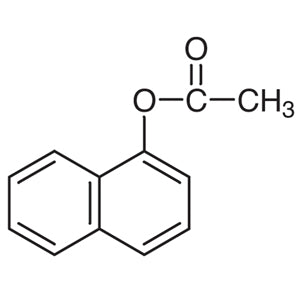
1-NaphthylAcetate TCI A0037
Regular price Rp 1.193.850,00Regular priceRp 834.750,00Sale price Rp 1.193.850,00 -
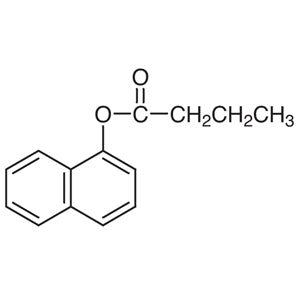
1-NaphthylButyrate TCI B1096
Regular price Rp 3.710.700,00Regular priceRp 2.594.550,00Sale price Rp 3.710.700,00 -
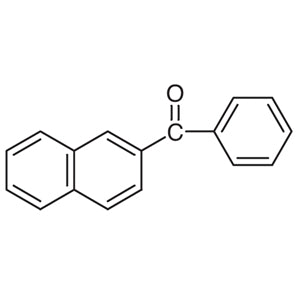
2-NaphthylPhenylKetone TCI B0301
Regular price From Rp 6.996.150,00Regular priceRp 4.891.950,00Sale price From Rp 6.996.150,00 -
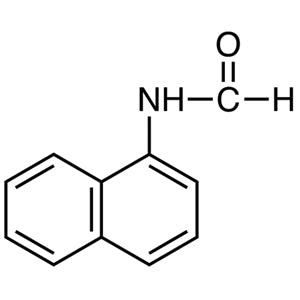
N-(1-Naphthyl)formamide TCI N1001
Regular price From Rp 2.227.050,00Regular priceRp 1.572.900,00Sale price From Rp 2.227.050,00 -
3-(1-Naphthyl)acrylicAcid TCI N0972
Regular price Rp 3.260.250,00Regular priceRp 2.295.300,00Sale price Rp 3.260.250,00 -
N-(1-Naphthyl)phthalamicAcid TCI N0067
Regular price Rp 6.438.600,00Regular priceRp 4.518.150,00Sale price Rp 6.438.600,00 -
2-Methyl-1-naphthylAcetate TCI M1757
Regular price From Rp 1.115.100,00Regular priceRp 779.100,00Sale price From Rp 1.115.100,00