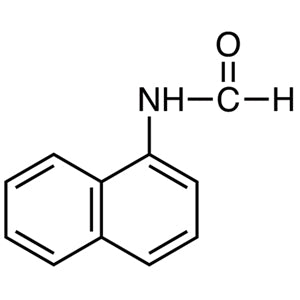
2-Methyl-1-naphthyl Acetate is a chemical compound widely used in organic synthesis applications. It serves as a key building block in the creation of complex molecules, particularly in substitution reactions and other ester-related processes. In laboratory settings, this compound plays a crucial role in the synthesis of various organic compounds, providing a reliable and versatile starting material for researchers. Its utility spans across multiple areas of chemical research, making it an essential component in modern synthetic chemistry.
The compound is known for its solubility in organic solvents and its chemical stability, which are critical factors in its widespread use. These properties allow it to be easily incorporated into a variety of synthetic protocols without undergoing unwanted side reactions. Its molecular structure, while complex, is well-suited for chemical manipulation, enabling the formation of new compounds with specific functional groups. The stability of its physical and chemical properties ensures consistent performance in different experimental conditions, making it a preferred choice for both academic and industrial laboratories.
In Indonesian laboratories, 2-Methyl-1-naphthyl Acetate is commonly used in chemical research, especially in the synthesis of aromatic compounds and heterocyclic structures. It is also utilized in educational settings to train students in the synthesis and characterization of organic compounds. Its versatility and reliability make it an important reagent in both research and teaching environments.
- Complex aromatic compound synthesis requiring substitution reactions due to its ester functionality and structural versatility.
- Development of pharmacological compounds with specific structural requirements for drug design and modification.
- Research on ester reactivity in linear and cyclic systems for understanding chemical transformation mechanisms.
- Educational use in teaching organic synthesis techniques and molecular structure manipulation.
- Characterization of organic compounds through spectroscopic and chromatographic analysis using its distinct chemical properties.
| Brand | TCI |
|---|---|
| CAS number | 5697-02-9 |
| Molecular formula | — |
| Purity | — |
| Category | Chemistry > Building Blocks > Non-Heterocyclic Building Blocks |
| Pack sizes | 500g, 1kg |
| Physical form | Liquid |
| Storage | Store in a cool, dry place away from direct sunlight |
This compound should be stored in a cool, dry environment, away from direct sunlight and sources of heat. It is recommended to use airtight containers made of glass or high-density polyethylene to prevent contamination and maintain purity. Due to its chemical stability, it does not require refrigeration but should be protected from moisture and incompatible substances. In laboratory settings, it is important to handle the compound with appropriate personal protective equipment, such as gloves and safety goggles, to ensure safe handling. Regular monitoring of storage conditions is advised to maintain its integrity and effectiveness for use in chemical synthesis.
—
Produk Terkait
-
2-NaphthylAcetate TCI A0038
Regular price Rp 1.353.450,00Regular price -
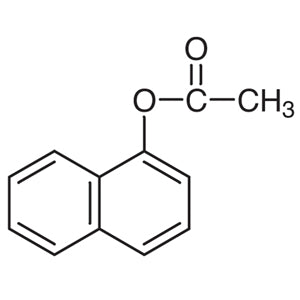
1-NaphthylAcetate TCI A0037
Regular price Rp 1.193.850,00Regular price -
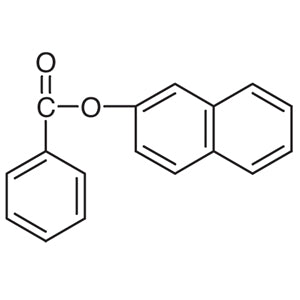
2-NaphthylBenzoate TCI B1108
Regular price Rp 717.150,00Regular price -
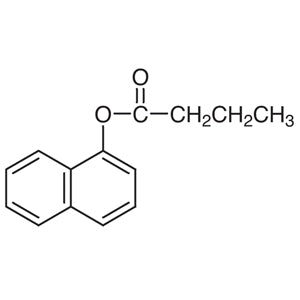
1-NaphthylButyrate TCI B1096
Regular price Rp 3.710.700,00Regular price -
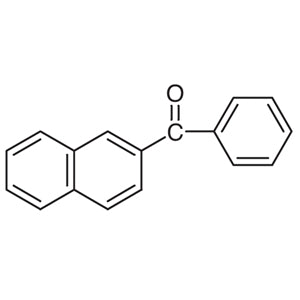
2-NaphthylPhenylKetone TCI B0301
Regular price From Rp 6.996.150,00Regular price -
N-(1-Naphthyl)formamide TCI N1001
Regular price From Rp 2.174.550,00Regular price -
3-(1-Naphthyl)acrylicAcid TCI N0972
Regular price Rp 3.207.750,00Regular price -
N-(1-Naphthyl)phthalamicAcid TCI N0067
Regular price Rp 6.386.100,00Regular price