4,4'-Bismaleimidodiphenylmethane (BDM) is a chemical compound widely used in the fields of materials science and polymer chemistry. As a monomer, BDM plays a crucial role in the synthesis of composite materials and thermoplastic polymers due to its ability to form covalent bonds with various molecules. Its unique chemical structure enables it to participate in cross-linking reactions, making it an essential component in the development of advanced materials. In the laboratory, BDM is frequently employed to create complex molecular structures, supporting research in material innovation and chemical synthesis.
BDM is valued for its stable chemical structure and high reactivity, which allow it to interact with a wide range of functional groups. These properties make it ideal for applications requiring precise and specific chemical reactions. Its high reactivity ensures efficient bonding, while its stability ensures consistent results in experimental settings. Additionally, BDM exhibits good thermoplastic characteristics, enabling it to be processed through thermal methods such as coating or melting. These features make it a reliable and versatile material for laboratory use.
In Indonesian laboratories, BDM is commonly used in research related to polymer science, composite materials, and chemical bonding. It is particularly favored for its role in creating durable and heat-resistant materials. Its applications span various industries, including electronics, automotive, and construction, where high-performance materials are required. BDM’s versatility and reliability make it a preferred choice for both academic and industrial research settings.
TCI brochures (PDF)
- Monomers 2025-05-28 · p. 28
- BDM is used in polymer synthesis to create thermoplastic materials with high mechanical strength and thermal stability.
- It is applied in composite material development to enhance bonding between different components of the material.
- BDM is utilized in the production of adhesives and sealants due to its ability to form strong covalent bonds.
- It supports the creation of insulating materials, which are essential in electronic and electrical applications.
- BDM is employed in the development of repair materials, providing durable and long-lasting solutions for damaged structures.
| Brand | TCI |
|---|---|
| CAS number | 13676-54-5 |
| Molecular formula | — |
| Purity | — |
| Category | Materials Science > Polymer/Macromolecule Reagents > Monomers |
| Pack sizes | Available in various quantities as per supplier specifications |
| Physical form | Solid |
| Storage | Store in a cool, dry place away from moisture and direct sunlight |
BDM should be stored in a cool, dry environment to maintain its chemical stability and prevent degradation. It is recommended to keep it in a sealed container to avoid exposure to moisture and air, which may affect its reactivity. Suitable containers for storage include glass or high-density polyethylene (HDPE) bottles with tight-fitting lids. In laboratory settings, it is important to handle BDM with appropriate personal protective equipment (PPE) such as gloves and safety goggles to ensure safety. Proper ventilation should be maintained when working with BDM to minimize inhalation of vapors. Regular monitoring of storage conditions is advised to ensure the material remains in optimal condition for use.
—
Product Categories
Produk Terkait
-
Triphenylmethane TCI T0515
Regular price From Rp 1.431.150,00Regular priceRp 1.000.650,00Sale price From Rp 1.431.150,00 -
N-Phenylmethanesulfonamide TCI P1794
Regular price Rp 5.034.750,00Regular priceRp 3.536.400,00Sale price Rp 5.034.750,00 -
Diphenylmethane TCI D0896
Regular price From Rp 584.850,00Regular priceRp 408.450,00Sale price From Rp 584.850,00 -
Triphenylmethanol TCI T0516
Regular price From Rp 505.050,00Regular priceRp 352.800,00Sale price From Rp 505.050,00 -
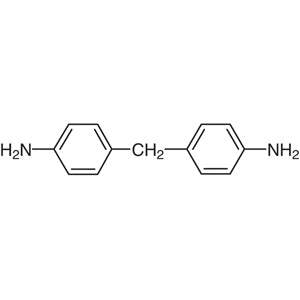
4,4'-Diaminodiphenylmethane TCI M0220
Regular price From Rp 582.750,00Regular priceRp 423.150,00Sale price From Rp 582.750,00 -
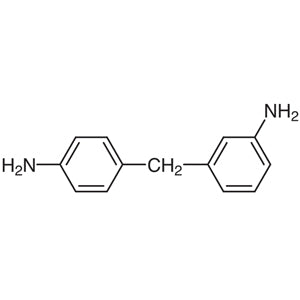
3,4'-Diaminodiphenylmethane TCI D1684
Regular price From Rp 1.272.600,00Regular priceRp 905.100,00Sale price From Rp 1.272.600,00 -
3,3'-Diaminodiphenylmethane TCI D1683
Regular price From Rp 2.623.950,00Regular priceRp 1.850.100,00Sale price From Rp 2.623.950,00 -
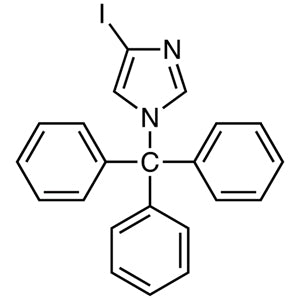
4-Iodo-1-(triphenylmethyl)imidazole TCI I0890
Regular price From Rp 1.351.350,00Regular priceRp 960.750,00Sale price From Rp 1.351.350,00