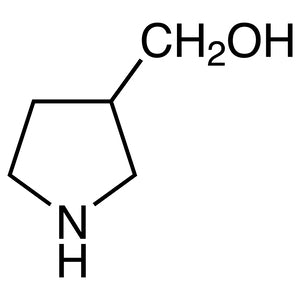
Triphenylmethanol is an organic compound widely used in various chemical reactions, particularly in the synthesis of complex molecules. It serves as a fundamental building block in chemical laboratories, offering a simple yet highly versatile molecular structure. This compound is commonly found in chemical laboratories as a base material or a structural component, enabling chemists to create more complex compounds through various synthetic pathways. Its role in laboratory settings is crucial for advancing research in organic chemistry and related fields.
The chemical properties of triphenylmethanol make it a preferred choice for many applications. Its stable molecular structure, consisting of three phenyl rings attached to a single carbon atom, provides exceptional chemical stability. This stability allows it to remain intact under a variety of reaction conditions, reducing the risk of degradation. Additionally, its relatively high melting and boiling points make it suitable for use in high-temperature chemical processes. These properties contribute to its reliability and effectiveness in laboratory settings.
In Indonesian laboratories, triphenylmethanol is frequently used in chemical research, including the synthesis of new compounds, testing the reactivity of organic substances, and in processes that require specific reactivity. Its availability and stability make it a valuable resource for both academic and industrial research, supporting the development of new materials and chemical processes.
- Synthesis of Complex Organic Compounds: Triphenylmethanol is ideal for creating new molecules due to its stable structure and reactivity in substitution and reduction reactions.
- Organic Reactivity Testing: Its predictable behavior in chemical reactions makes it suitable for studying the reactivity of organic compounds under various conditions.
- Aromatic Compound Production: The compound's aromatic nature and structural flexibility support the synthesis of aromatic compounds in laboratory settings.
- High-Temperature Chemical Processes: Its high melting and boiling points make it suitable for use in reactions requiring elevated temperatures.
- Research in Chemical Innovation: It is widely used in Indonesian laboratories for developing new materials and chemical processes through synthetic pathways.
| Brand | TCI |
|---|---|
| CAS number | 76-84-6 |
| Molecular formula | — |
| Purity | — |
| Category | Chemistry > Building Blocks > Non-Heterocyclic Building Blocks |
| Pack sizes | Available in various quantities as per standard laboratory supply |
| Physical form | Solid |
| Storage | Store in a cool, dry place away from direct sunlight |
Triphenylmethanol should be stored in a cool, dry environment, away from direct sunlight and sources of heat. It is recommended to keep the compound in a sealed container to prevent moisture absorption and contamination. Due to its chemical stability, it does not require refrigeration but should be protected from environmental factors that could affect its integrity. In laboratory settings, it is important to handle the compound with care, using appropriate personal protective equipment when necessary. Proper storage ensures the compound remains effective for its intended applications. Always ensure the container is tightly closed to maintain its purity and prevent any potential chemical interactions.
—
Produk Terkait
-
9-Fluorenylmethanol TCI F0200
Regular price From Rp 1.538.250,00Regular priceRp 1.075.200,00Sale price From Rp 1.538.250,00 -
4-Triphenylmethylphenol TCI T1654
Regular price Rp 3.232.950,00Regular priceRp 2.276.400,00Sale price Rp 3.232.950,00 -
Azetidin-3-ylmethanolHydrochloride TCI A3231
Regular price From Rp 2.782.500,00Regular priceRp 1.961.400,00Sale price From Rp 2.782.500,00 -
Pyrrolidin-3-ylmethanol TCI P2000
Regular price From Rp 1.378.650,00Regular priceRp 979.650,00Sale price From Rp 1.378.650,00 -
Di-1-naphthylmethanol TCI D3750
Regular price Rp 4.213.650,00Regular priceRp 2.946.300,00Sale price Rp 4.213.650,00 -
Triphenylmethane TCI T0515
Regular price From Rp 1.431.150,00Regular priceRp 1.000.650,00Sale price From Rp 1.431.150,00 -
Diphenylmethane TCI D0896
Regular price From Rp 584.850,00Regular priceRp 408.450,00Sale price From Rp 584.850,00 -
N-Phenylmethanesulfonamide TCI P1794
Regular price Rp 5.034.750,00Regular priceRp 3.536.400,00Sale price Rp 5.034.750,00