Tert-Butyl Isocyanide (TCI B1274, CAS 7188-38-7) is a chemical compound widely used in organic laboratory settings. It serves as a versatile building block in the synthesis of various organic compounds, particularly in reactions that require high reactivity. This compound is part of the non-heterocyclic building blocks category, making it a valuable resource for chemists working on complex molecular structures. Its unique chemical structure, featuring an isocyanide group, enables it to participate in a range of chemical reactions, including substitution and coupling reactions.
The reactivity of Tert-Butyl Isocyanide is one of its key attributes, making it a preferred choice for specialized laboratory applications. It exhibits strong reactivity towards water and polar compounds, which is essential for reactions requiring specific and reactive conditions. However, its stability under certain conditions, such as in dry and cold environments, ensures safe handling and storage. The presence of the tert-butyl group also contributes to its chemical stability, reducing the likelihood of unwanted side reactions. These properties make it a reliable and efficient reagent in organic synthesis.
In Indonesian laboratories, Tert-Butyl Isocyanide is commonly used in organic chemistry research. It plays a crucial role in the development of new compounds and the study of reaction mechanisms. Its availability and chemical properties make it an essential component in both academic and industrial research settings. Researchers in Indonesia rely on this compound for its effectiveness in creating complex molecules and advancing chemical knowledge.
TCI brochures (PDF)
- Cyanation Reagents 2024-09-17 · p. 2
- C-N Bond Formation Reactions 2025-08-07 · p. 3
- Organic synthesis reactions benefit from Tert-Butyl Isocyanide due to its reactivity and ability to form new compounds through substitution and coupling.
- It is ideal for coupling reactions where specific reactivity and controlled chemical interactions are required.
- The compound is used in the development of complex molecular structures, supporting advanced research in chemical synthesis.
- Its stability in dry and cold conditions makes it suitable for long-term storage and use in controlled environments.
- Tert-Butyl Isocyanide supports research in reaction mechanisms, providing insights into chemical behavior and transformation processes.
From the TCI brochure
- Pd-catalyzed C-H Cyanation
- Pd(OAc)2 (cat.), Cu(TFA)2 (oxidant)
| Brand | TCI |
|---|---|
| CAS number | 7188-38-7 |
| Molecular formula | — |
| Purity | — |
| Category | Chemistry > Building Blocks > Non-Heterocyclic Building Blocks |
| Pack sizes | — |
| Physical form | — |
| Storage | Store in a dry, cool environment to maintain stability and prevent degradation. |
Data from the TCI brochure
| Kemasan | 5mL / 25mL |
|---|
Source: TCI brochure RR030 (2024-09-17)
Tert-Butyl Isocyanide should be stored in a dry, cool environment to maintain its chemical stability and prevent unwanted reactions. It is recommended to use airtight containers to minimize exposure to moisture and air, which can affect its reactivity. Due to its sensitivity to water and polar compounds, it is important to handle the compound in a controlled laboratory setting. Proper ventilation should be maintained when working with this material to ensure safety. Always use appropriate personal protective equipment, such as gloves and goggles, when handling the compound. The compound should be stored away from incompatible materials to avoid any potential hazards.
References cited in the TCI brochure
- Jiangling Peng. Palladium-Catalyzed C(sp2)–H Cyanation Using Tertiary Amine Derived Isocyanide as a Cyano Source Organic Letters, 2012. doi:10.1021/ol302372p
Produk Terkait
-
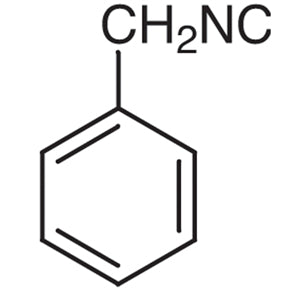
BenzylIsocyanide TCI B2185
Regular price From Rp 1.856.400,00Regular priceRp 1.297.800,00Sale price From Rp 1.856.400,00 -
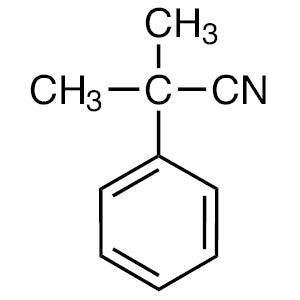
2-Methyl-2-phenylpropanenitrile TCI M3308
Regular price From Rp 1.934.100,00Regular priceRp 1.368.150,00Sale price From Rp 1.934.100,00 -
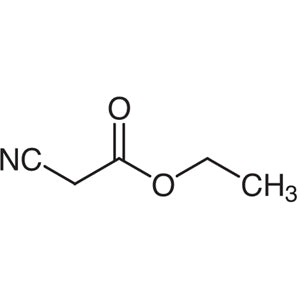
EthylCyanoacetate TCI C0441
Regular price From Rp 530.250,00Regular priceRp 386.400,00Sale price From Rp 530.250,00 -
Dimethylmalononitrile TCI D5514
Regular price From Rp 3.180.450,00Regular priceRp 2.239.650,00Sale price From Rp 3.180.450,00 -
DiethylCyanophosphonate TCI C1242
Regular price From Rp 1.749.300,00Regular priceRp 1.239.000,00Sale price From Rp 1.749.300,00