2-Bromo-1-indanol is a chemical compound widely used as a building block in organic synthesis, particularly in the development of complex organic and heterocyclic compounds. Its structural features make it a valuable intermediate in various chemical reactions, especially those involving bromo substitution on the indan ring. This compound plays a crucial role in laboratory settings where researchers aim to create new molecules with specific functional properties, such as pharmaceuticals or industrial chemicals. Its versatility supports a wide range of applications in both academic and industrial research environments.
The compound's high reactivity, due to the bromo group on the indan ring, makes it a preferred choice for nucleophilic, electrophilic, and substitution reactions. Its chemical stability and predictable behavior under different reaction conditions contribute to its popularity among chemists. The presence of the indan ring further enhances its utility, as it allows for the synthesis of a variety of derivatives with diverse biological and chemical functions. These characteristics make it an essential reagent in organic chemistry laboratories.
In Indonesian laboratories, 2-Bromo-1-indanol is commonly used in organic chemistry research, particularly in academic institutions and research centers. It is frequently employed in projects focused on the development of new compounds, including those with potential applications in pharmaceuticals and materials science. Its role in the synthesis of bioactive molecules makes it a key component in drug discovery and chemical innovation efforts.
- Organic synthesis of heterocyclic compounds due to its bromo-substituted indan structure, enabling efficient functional group manipulation.
- Development of pharmaceutical intermediates through nucleophilic substitution reactions that utilize the bromo group for selective modification.
- Research in material science for the creation of novel chemical compounds with unique physical and chemical properties.
- Drug discovery initiatives where the compound serves as a starting material for the synthesis of bioactive molecules.
- Industrial chemical production processes that require reliable and versatile building blocks for complex molecule synthesis.
| Brand | TCI |
|---|---|
| CAS number | 5400-80-6 |
| Molecular formula | — |
| Purity | — |
| Category | Chemistry > Building Blocks > Non-Heterocyclic Building Blocks |
| Pack sizes | Available in various quantities as per supplier specifications |
| Physical form | Liquid or crystalline, depending on purity and storage conditions |
| Storage | Store in a cool, dry place away from light and incompatible substances |
This compound should be stored in a cool, dry environment, away from direct sunlight and sources of heat. It is recommended to keep it in a sealed container to prevent moisture absorption and contamination. Due to its reactivity, it should be handled with care, using appropriate personal protective equipment such as gloves and safety goggles. Storage should be in a well-ventilated area to minimize exposure to vapors. Avoid contact with incompatible materials like strong oxidizing agents or strong bases. Proper labeling and storage conditions are essential to ensure safety and maintain the compound's integrity in the laboratory.
—
Produk Terkait
-
4-Indanol TCI I1283
Regular price From Rp 1.563.450,00Regular priceRp 1.108.800,00Sale price From Rp 1.563.450,00 -
2-Bromo-4,5-dimethylphenol TCI B5394
Regular price From Rp 3.127.950,00Regular priceRp 2.187.150,00Sale price From Rp 3.127.950,00 -
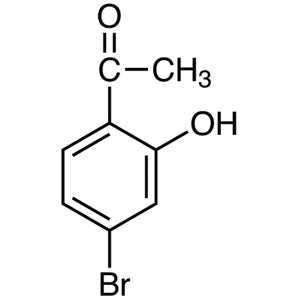
4'-Bromo-2'-hydroxyacetophenone TCI B5382
Regular price From Rp 875.700,00Regular priceRp 627.900,00Sale price From Rp 875.700,00 -
2-Bromo-4,5-dimethoxyphenol TCI B5297
Regular price Rp 2.518.950,00Regular priceRp 1.776.600,00Sale price Rp 2.518.950,00 -
4-Bromo-3-methylbenzylAlcohol TCI B5285
Regular price From Rp 2.359.350,00Regular priceRp 1.649.550,00Sale price From Rp 2.359.350,00 -
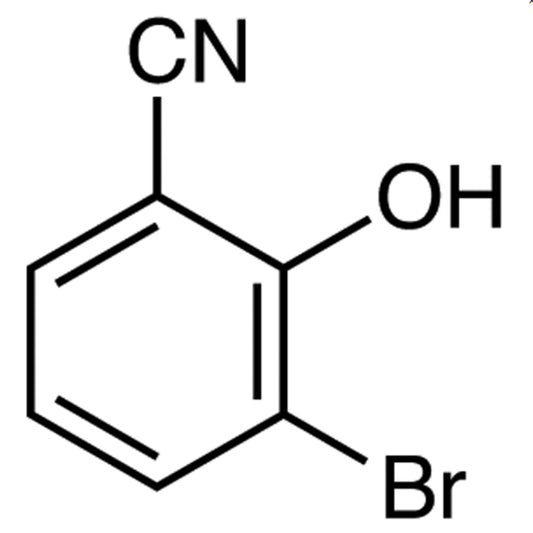
3-Bromo-2-hydroxybenzonitrile TCI B5273
Regular price From Rp 1.272.600,00Regular priceRp 905.100,00Sale price From Rp 1.272.600,00 -
4-Bromo-2-methylbenzylAlcohol TCI B5231
Regular price From Rp 1.298.850,00Regular priceRp 908.250,00Sale price From Rp 1.298.850,00 -
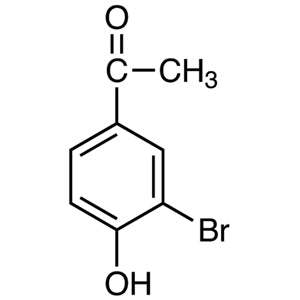
3'-Bromo-4'-hydroxyacetophenone TCI B5158
Regular price Rp 2.914.800,00Regular priceRp 2.053.800,00Sale price Rp 2.914.800,00