1,3-Bis(2-isocyanato-2-propyl)benzene is a chemical compound widely used in materials science and polymer chemistry. It serves as a key monomer in the synthesis of specialized polymers, particularly polyurethanes. This compound is essential in laboratory settings where the development of new materials is required, such as coatings, insulation, and structural components. Its molecular structure features two isocyanate groups attached to a benzene ring, making it highly reactive and versatile in chemical reactions.
The compound's reactivity and ability to form bonds with various functional groups, such as amines and hydroxyls, make it a preferred choice for polymerization and modification processes. Its stability under certain conditions also facilitates storage and handling, ensuring consistent performance in laboratory applications. These properties contribute to its popularity among researchers and institutions working on advanced material development.
In Indonesian laboratories, 1,3-Bis(2-isocyanato-2-propyl)benzene is commonly used in material science, organic chemistry, and polymer technology research. Local researchers and educational institutions rely on this compound for the creation of innovative products, including environmentally protective materials and structural components. Its role in advancing scientific research and industrial applications makes it a valuable resource in the scientific community.
TCI brochures (PDF)
- Raw Materials for Polyimide Synthesis 2026-05-11 · p. 7
- Biomaterials Research Reagents 2025-02-19 · p. 17
- Monomers 2025-05-28 · p. 28
Related TCI products
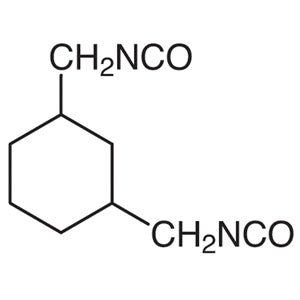
- TCI B1538 38661-72-2 1,3-Bis(isocyanatomethyl)cyclohexane (cis- and trans- mixture)
- TCI H1842 3779-63-3 1,3,5-Tris(6-isocyanatohexyl)-1,3,5-triazinane-2,4,6-trione
- TCI B1509 10224-18-7 2,2-Bis(4-isocyanatophenyl)hexafluoropropane
- TCI N0168 3173-72-6 1,5-Diisocyanatonaphthalene
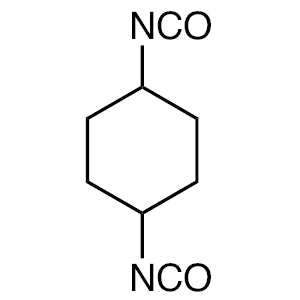
- TCI D5635 2556-36-7 1,4-Diisocyanatocyclohexane (cis- and trans- mixture)
- TCI D2051 91-97-4 4,4'-Diisocyanato-3,3'-dimethylbiphenyl
- Polymer synthesis for polyurethane production due to its reactive isocyanate groups and structural versatility.
- Development of coatings and insulation materials because of its ability to form durable and flexible polymers.
- Structural component fabrication in material science research due to its chemical stability and bonding potential.
- Organic chemistry experiments involving cross-linking reactions with amines and hydroxyl groups.
- Innovation in environmental protection materials through polymer modification and functional group integration.
| Brand | TCI |
|---|---|
| CAS number | 2778-42-9 |
| Molecular formula | — |
| Purity | — |
| Category | Materials Science > Polymer/Macromolecule Reagents > Monomers |
| Pack sizes | Available in various quantities as per standard laboratory requirements |
| Physical form | Liquid |
| Storage | Store in a cool, dry place away from moisture and direct sunlight |
This compound should be stored in a cool, dry environment, away from moisture and direct sunlight to maintain its chemical integrity. It is recommended to use airtight containers made of materials that are chemically inert, such as glass or polyethylene, to prevent contamination and degradation. Due to its reactivity, it should be handled with care, using appropriate personal protective equipment like gloves and safety goggles. In laboratory settings, it should be stored separately from incompatible substances to avoid unintended chemical reactions. Proper ventilation is also essential when handling this material to ensure a safe working environment.
—
Product Categories
- Polymer/Macromolecule ReagentsMonomersIsocyanate Monomers
- Polymer/Macromolecule ReagentsPolyimide Raw MaterialsDiisocyanates [Polyimide Raw Materials]
- Biomaterials/Biocompatible Materials Research ReagentsMonomers and Macromonomers [Biomaterials/Biocompatible Materials Research Reagents]Isocyanate Monomers [Biomaterials/Biocompatible Materials Research Reagents]
Produk Terkait
-
1,3-Bis(isocyanatomethyl)cyclohexane(cis-andtrans-mixture) TCI B1538
Regular price From Rp 584.850,00Regular priceRp 408.450,00Sale price From Rp 584.850,00 -
1,3,5-Tris(6-isocyanatohexyl)-1,3,5-triazinane-2,4,6-trione TCI H1842
Regular price From Rp 742.350,00Regular priceRp 534.450,00Sale price From Rp 742.350,00 -
2,2-Bis(4-isocyanatophenyl)hexafluoropropane TCI B1509
Regular price Rp 5.962.950,00Regular priceRp 4.169.550,00Sale price Rp 5.962.950,00 -
1,5-Diisocyanatonaphthalene TCI N0168
Regular price From Rp 3.127.950,00Regular priceRp 2.187.150,00Sale price From Rp 3.127.950,00 -
1,4-Diisocyanatocyclohexane(cis-andtrans-mixture) TCI D5635
Regular price From Rp 2.411.850,00Regular priceRp 1.686.300,00Sale price From Rp 2.411.850,00 -
4,4'-Diisocyanato-3,3'-dimethylbiphenyl TCI D2051
Regular price From Rp 1.326.150,00Regular priceRp 927.150,00Sale price From Rp 1.326.150,00 -
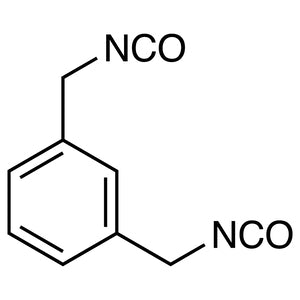
m-XylyleneDiisocyanate TCI X0022
Regular price Rp 848.400,00Regular priceRp 593.250,00Sale price Rp 848.400,00 -
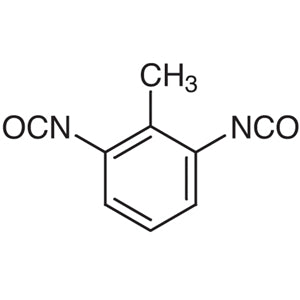
Tolylene-2,6-diisocyanate TCI T1153
Regular price From Rp 823.200,00Regular priceRp 575.400,00Sale price From Rp 823.200,00