2,2-Bis(4-isocyanatophenyl)hexafluoropropane is a chemical compound widely utilized in laboratory settings for polymer and organic synthesis. This compound serves as a key monomer in the production of polyurethanes and other specialized polymers. Its unique molecular structure, featuring two isocyanate groups connected by a hexafluoropropyl chain, allows for versatile chemical reactivity. This makes it an essential component in the development of materials with tailored mechanical and chemical properties. Due to its stability and controlled reactivity, it is a favored choice for polymerization reactions in both academic and industrial research environments.
The compound's chemical properties, including its high reactivity and compatibility with various synthetic processes, contribute to its popularity among researchers. Its ability to withstand harsh chemical environments ensures reliability in diverse experimental conditions. The compound's stability under different reaction conditions further enhances its utility in complex chemical syntheses. These properties make it a preferred material for scientists aiming to create advanced materials with specific functional characteristics.
In Indonesian laboratories, this compound is commonly used in chemical, material science, and engineering research. It plays a crucial role in the development of insulation materials, construction materials, and coating agents. Its availability in solid form and ease of handling make it a practical choice for scientific investigations. Researchers in Indonesia rely on this compound for innovation in various industrial and academic applications.
TCI brochures (PDF)
- Aromatic Monomers with Trifluoromethyl Groups 2025-07-09 · p. 1
- Raw Materials for Polyimide Synthesis 2026-05-11 · p. 7
- Monomers 2025-05-28 · p. 28
Related TCI products
- TCI B1442 2778-42-9 1,3-Bis(2-isocyanato-2-propyl)benzene
- TCI B1400 1095-78-9 2,2-Bis(4-aminophenyl)hexafluoropropane
- TCI D6008 220426-92-6 2,2-Bis(3-(3-aminobenzoylamino)-4-hydroxyphenyl)hexafluoropropane
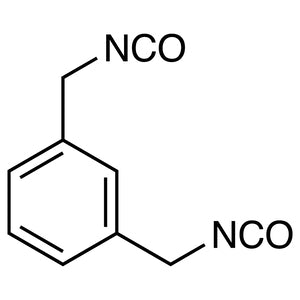
- TCI X0022 3634-83-1 m-Xylylene Diisocyanate
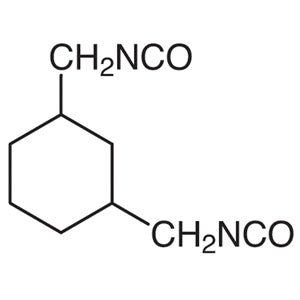
- TCI B1538 38661-72-2 1,3-Bis(isocyanatomethyl)cyclohexane (cis- and trans- mixture)
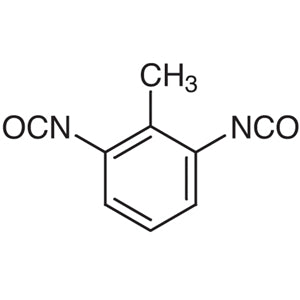
- TCI T1153 91-08-7 Tolylene-2,6-diisocyanate
- Polymer synthesis for creating polyurethane-based materials due to its isocyanate functionality and reactivity.
- Development of advanced coatings and surface treatments requiring chemical resistance and durability.
- Research in material science for producing high-performance polymers with specific mechanical properties.
- Formulation of insulation materials that require thermal stability and chemical inertness.
- Investigation of chemical reactions under harsh conditions due to its resistance to aggressive environments.
| Brand | TCI |
|---|---|
| CAS number | 10224-18-7 |
| Molecular formula | — |
| Purity | — |
| Category | Materials Science > Polymer/Macromolecule Reagents > Monomers |
| Pack sizes | Available in various quantities as per supplier specifications |
| Physical form | Solid |
| Storage | Store in a cool, dry place away from moisture and direct sunlight |
This compound should be stored in a cool, dry environment to maintain its chemical stability. It is recommended to use airtight containers to prevent exposure to moisture and air, which could affect its reactivity. Due to its chemical nature, it should be kept away from incompatible substances such as strong acids or bases. Proper labeling of storage containers is essential for safety and identification. Laboratory personnel should handle the compound with appropriate personal protective equipment, including gloves and safety goggles, to ensure safe handling. Regular monitoring of storage conditions is advised to maintain the integrity of the material.
—
Produk Terkait
-
1,3-Bis(2-isocyanato-2-propyl)benzene TCI B1442
Regular price From Rp 1.298.850,00Regular priceRp 908.250,00Sale price From Rp 1.298.850,00 -
2,2-Bis(4-aminophenyl)hexafluoropropane TCI B1400
Regular price From Rp 1.563.450,00Regular priceRp 1.108.800,00Sale price From Rp 1.563.450,00 -
2,2-Bis(3-(3-aminobenzoylamino)-4-hydroxyphenyl)hexafluoropropane TCI D6008
Regular price From Rp 1.192.800,00Regular priceRp 849.450,00Sale price From Rp 1.192.800,00 -
m-XylyleneDiisocyanate TCI X0022
Regular price Rp 848.400,00Regular priceRp 593.250,00Sale price Rp 848.400,00 -
1,3-Bis(isocyanatomethyl)cyclohexane(cis-andtrans-mixture) TCI B1538
Regular price From Rp 584.850,00Regular priceRp 408.450,00Sale price From Rp 584.850,00 -
Tolylene-2,6-diisocyanate TCI T1153
Regular price From Rp 823.200,00Regular priceRp 575.400,00Sale price From Rp 823.200,00 -
TolyleneDiisocyanate(2,4-ca.80%,2,6-ca.20%) TCI T0264
Regular price From Rp 717.150,00Regular priceRp 500.850,00Sale price From Rp 717.150,00 -
Tolylene-2,4-diisocyanate TCI T0263
Regular price From Rp 505.050,00Regular priceRp 352.800,00Sale price From Rp 505.050,00