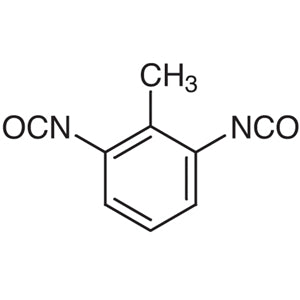
Tolylene-2,4-diisocyanate (TDCI) is a chemical compound widely used in laboratory settings as a key building block for organic synthesis. It is a versatile reagent that plays a critical role in the formation of polymers, rubbers, and other complex chemical structures. Its molecular structure contains two active isocyanate groups, which make it highly reactive towards various functional groups such as water, alcohols, and amines. This reactivity allows it to participate in a wide range of chemical reactions, making it an essential component in synthetic chemistry.
The chemical properties of TDCI, including its high reactivity and ability to form strong covalent bonds, make it a preferred choice for researchers. Its reactivity enables it to act as a crosslinking agent in polymer synthesis, enhancing the mechanical properties of the final product. Additionally, its ability to react with multiple substrates provides flexibility in designing new chemical compounds. However, due to its reactivity, TDCI requires careful handling and storage to prevent unintended side reactions or hazardous conditions.
In Indonesian laboratories, TDCI is commonly used in organic chemistry research, chemical development, and polymer production. It is frequently found in chemical, pharmaceutical, and industrial laboratories that require complex chemical reactions. Its role in creating stable and functional chemical structures makes it an important tool for scientists working in these fields. The compound’s reactivity and versatility ensure its continued use in a variety of scientific applications.
TCI brochures (PDF)
- Raw Materials for Polyimide Synthesis 2026-05-11 · p. 7
- Biomaterials Research Reagents 2025-02-19 · p. 17
- Monomers 2025-05-28 · p. 28
Related TCI products
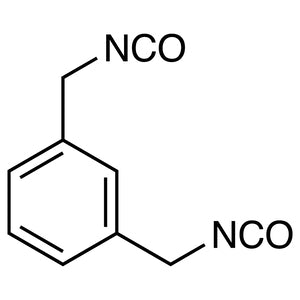
- TCI X0022 3634-83-1 m-Xylylene Diisocyanate
- TCI P1640 104-49-4 1,4-Phenylene Diisocyanate
- TCI D2380 5124-30-1 Dicyclohexylmethane 4,4'-Diisocyanate (mixture of isomers)
- TCI T1153 91-08-7 Tolylene-2,6-diisocyanate
- TCI T0264 26471-62-5 Tolylene Diisocyanate (2,4- ca. 80%, 2,6- ca. 20%)
- TCI P1092 123-61-5 1,3-Phenylene Diisocyanate
- Organic synthesis applications benefit from TDCI’s reactivity, allowing the formation of complex molecular structures through crosslinking and polymerization reactions.
- Polymer development relies on TDCI’s ability to create strong covalent bonds, enhancing the mechanical and thermal properties of synthetic materials.
- Chemical research laboratories use TDCI as a building block for creating new compounds, leveraging its reactivity with various functional groups.
- Pharmaceutical research may incorporate TDCI in the synthesis of drug molecules, utilizing its ability to form stable chemical bonds with diverse substrates.
- Industrial chemical production utilizes TDCI for manufacturing rubber and polyurethane-based materials, taking advantage of its reactivity and crosslinking properties.
| Brand | TCI |
|---|---|
| CAS number | 584-84-9 |
| Molecular formula | — |
| Purity | — |
| Category | Chemistry > Building Blocks > Non-Heterocyclic Building Blocks |
| Pack sizes | — |
| Physical form | — |
| Storage | Must be stored in a controlled environment to prevent degradation and ensure safety |
Tolylene-2,4-diisocyanate should be stored in a cool, dry, and well-ventilated area away from moisture and heat sources to maintain its stability. It is recommended to use sealed containers made of materials that are chemically inert to prevent reactions with the container surface. Due to its reactivity, TDCI should be handled with appropriate personal protective equipment, including gloves and safety goggles. It is important to avoid contact with water, alcohols, and amines during handling to prevent unintended chemical reactions. Storage should be in a designated chemical storage cabinet to minimize exposure risks and ensure safe laboratory practices. Always follow standard safety protocols when working with reactive chemicals like TDCI.
—
Product Categories
- Polymer/Macromolecule ReagentsMonomersIsocyanate Monomers
- Polymer/Macromolecule ReagentsPolyimide Raw MaterialsDiisocyanates [Polyimide Raw Materials]
- Biomaterials/Biocompatible Materials Research ReagentsMonomers and Macromonomers [Biomaterials/Biocompatible Materials Research Reagents]Isocyanate Monomers [Biomaterials/Biocompatible Materials Research Reagents]
Produk Terkait
-
m-XylyleneDiisocyanate TCI X0022
Regular price Rp 848.400,00Regular priceRp 593.250,00Sale price Rp 848.400,00 -
1,4-PhenyleneDiisocyanate TCI P1640
Regular price From Rp 2.491.650,00Regular priceRp 1.741.950,00Sale price From Rp 2.491.650,00 -
Dicyclohexylmethane4,4'-Diisocyanate(mixtureofisomers) TCI D2380
Regular price Rp 795.900,00Regular priceRp 556.500,00Sale price Rp 795.900,00 -
Tolylene-2,6-diisocyanate TCI T1153
Regular price From Rp 823.200,00Regular priceRp 575.400,00Sale price From Rp 823.200,00 -
TolyleneDiisocyanate(2,4-ca.80%,2,6-ca.20%) TCI T0264
Regular price From Rp 717.150,00Regular priceRp 500.850,00Sale price From Rp 717.150,00 -
1,3-PhenyleneDiisocyanate TCI P1092
Regular price From Rp 955.500,00Regular priceRp 667.800,00Sale price From Rp 955.500,00 -
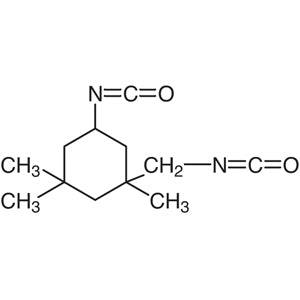
IsophoroneDiisocyanate(mixtureofisomers) TCI I0314
Regular price From Rp 530.250,00Regular priceRp 370.650,00Sale price From Rp 530.250,00 -
HexamethyleneDiisocyanate TCI H0324
Regular price From Rp 477.750,00Regular priceRp 333.900,00Sale price From Rp 477.750,00