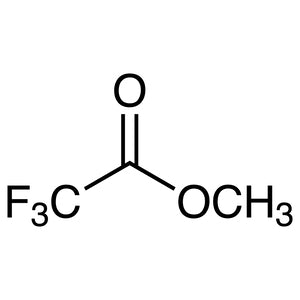
Ethyl Bromodifluoroacetate (EBDFA), with CAS number 667-27-6, is a fluorinated building block widely used in organic chemistry for the synthesis of fluorinated compounds. This compound plays a crucial role in laboratory settings where researchers aim to develop complex molecular structures with enhanced chemical properties. Its presence in chemical reactions enables the creation of fluorinated derivatives that are essential in various scientific fields. Due to its reactivity and compatibility with multiple synthetic pathways, EBDFA is a versatile reagent that supports a wide range of chemical transformations.
One of the key reasons for its popularity is its chemical stability and reactivity under controlled conditions. These properties make it an ideal candidate for nucleophilic substitution and halogen replacement reactions, which are fundamental in organic synthesis. The presence of fluorine atoms in its structure also contributes to its unique reactivity and functional group versatility. These characteristics allow scientists to design and synthesize compounds with specific biological or material properties, making EBDFA a valuable tool in research laboratories.
In Indonesian laboratories, EBDFA is commonly used in organic chemistry research, particularly in the synthesis of fluorinated compounds. Its availability and effectiveness in supporting various chemical reactions make it a preferred choice for local researchers. The compound’s role in creating complex fluorinated structures aligns with the growing demand for advanced chemical materials in both academic and industrial settings. Its application in pharmaceutical and material sciences further highlights its importance in modern scientific research.
TCI brochures (PDF)
- Difluoromethylation Reagents, Difluoromethylenation Reagents 2026-05-18 · p. 2
- Fluorination Reagents, Fluorinated Building Blocks 2026-03-18 · p. 8
- Fluorinated Compound Synthesis: EBDFA is ideal for creating complex fluorinated structures due to its reactivity and compatibility with nucleophilic substitution reactions.
- Pharmaceutical Research: The compound supports the development of fluorinated drugs, enhancing bioavailability and metabolic stability in medicinal compounds.
- Organic Chemistry Reactions: EBDFA is widely used in halogen replacement and nucleophilic substitution reactions, offering efficient and selective chemical transformations.
- Material Science Applications: Its fluorinated structure contributes to the development of advanced materials with unique chemical and physical properties.
- Research and Development: EBDFA is a preferred reagent for laboratories aiming to explore new chemical pathways and functional group modifications.
| Brand | TCI |
|---|---|
| CAS number | 667-27-6 |
| Molecular formula | — |
| Purity | — |
| Category | Chemistry > Building Blocks > Fluorinated Building Blocks |
| Pack sizes | Available in various quantities as per supplier specifications |
| Physical form | Liquid |
| Storage | Store in a cool, dry place away from light and incompatible substances |
Ethyl Bromodifluoroacetate should be stored in a cool, dry environment to maintain its chemical stability. It is recommended to keep the compound in a sealed container to prevent exposure to moisture and air. Due to its reactivity, it should be stored away from strong oxidizing agents and incompatible materials. Laboratory personnel should handle the compound with appropriate personal protective equipment, including gloves and safety goggles. Proper ventilation is essential when working with this substance to minimize inhalation risks. Regular monitoring of storage conditions ensures the compound remains safe and effective for use in chemical experiments.
—
Product Categories
Produk Terkait
-
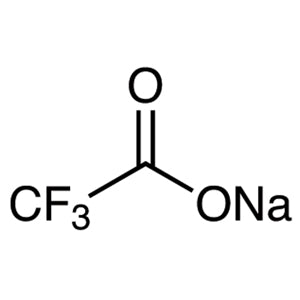
SodiumTrifluoroacetate TCI T1336
Regular price From Rp 689.850,00Regular priceRp 497.700,00Sale price From Rp 689.850,00 -
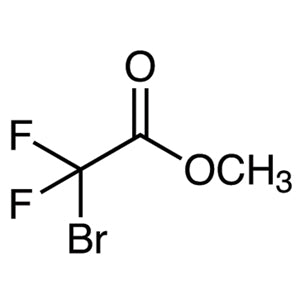
MethylBromodifluoroacetate TCI M2020
Regular price From Rp 2.491.650,00Regular priceRp 1.757.700,00Sale price From Rp 2.491.650,00 -
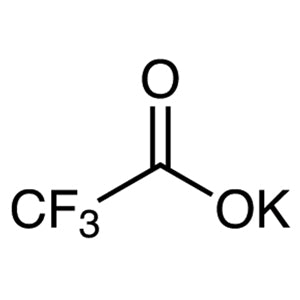
PotassiumTrifluoroacetate TCI P2114
Regular price From Rp 1.351.350,00Regular priceRp 960.750,00Sale price From Rp 1.351.350,00 -
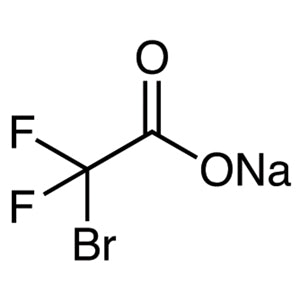
SodiumBromodifluoroacetate TCI S0908
Regular price From Rp 3.445.050,00Regular priceRp 2.424.450,00Sale price From Rp 3.445.050,00 -
CesiumTrifluoroacetate TCI T4207
Regular price From Rp 2.677.500,00Regular priceRp 1.887.900,00Sale price From Rp 2.677.500,00 -
IsopropylTrifluoroacetate TCI T1761
Regular price Rp 1.670.550,00Regular priceRp 1.183.350,00Sale price Rp 1.670.550,00 -
PhenylTrifluoroacetate TCI T0741
Regular price Rp 1.298.850,00Regular priceRp 924.000,00Sale price Rp 1.298.850,00 -
MethylTrifluoroacetate TCI T0680
Regular price Rp 1.563.450,00Regular priceRp 1.108.800,00Sale price Rp 1.563.450,00