11-Bromo-1-undecanol is a chemical compound widely used as a foundational building block in organic synthesis. It serves as a versatile intermediate in the creation of complex organic molecules, particularly in laboratory settings where precise chemical reactions are required. This compound contains a bromo group attached to an undecanol chain, making it highly reactive and suitable for a range of chemical transformations. Its role in synthetic chemistry is crucial, especially in reactions such as nucleophilic substitution and cross-coupling, where it acts as a key reagent.
The compound’s reactivity, stability, and solubility make it a preferred choice for researchers. It exhibits good solubility in organic solvents like ethyl acetate and ethanol, which simplifies its use in various experimental procedures. Its molecular structure remains stable under typical laboratory conditions, allowing it to participate in multiple reactions without significant degradation. Additionally, its relatively low toxicity and ease of handling contribute to its popularity in both academic and industrial research environments.
In Indonesian laboratories, 11-Bromo-1-undecanol is commonly used in organic chemistry research, particularly in the synthesis of complex compounds. It is a staple in university research labs and research institutions, where it supports the development of new chemical structures and pharmaceutical compounds. Its reliability and effectiveness make it a go-to reagent for chemists working on advanced synthetic projects.
Related TCI products
- TCI E0239 307-70-0 1H,1H,11H-Eicosafluoro-1-undecanol
- TCI B5394 22802-39-7 2-Bromo-4,5-dimethylphenol
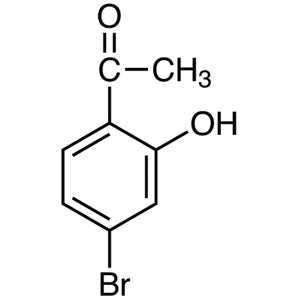
- TCI B5382 30186-18-6 4'-Bromo-2'-hydroxyacetophenone
- TCI B5297 129103-69-1 2-Bromo-4,5-dimethoxyphenol
- TCI B5285 149104-89-2 4-Bromo-3-methylbenzyl Alcohol
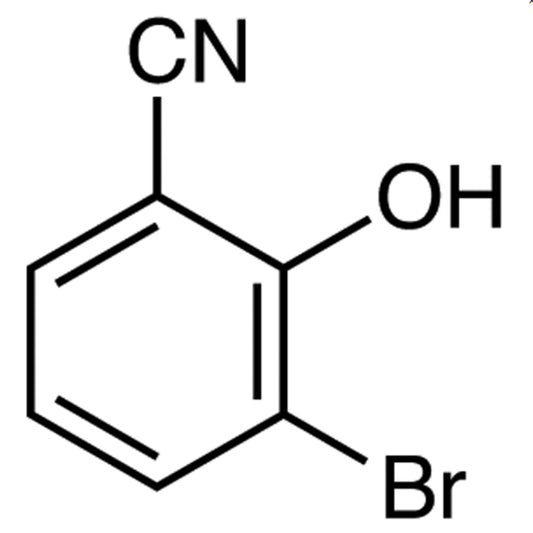
- TCI B5273 13073-28-4 3-Bromo-2-hydroxybenzonitrile
- Organic synthesis projects benefit from 11-Bromo-1-undecanol due to its reactivity in nucleophilic substitution reactions, enabling the formation of diverse organic compounds.
- Cross-coupling reactions often utilize this compound as a brominated building block, facilitating the creation of complex molecular architectures.
- It is ideal for research in pharmaceutical chemistry, where it contributes to the development of new drug molecules through synthetic pathways.
- In academic research settings, it supports the teaching and practice of advanced organic chemistry techniques.
- Its solubility in common organic solvents makes it suitable for use in a wide range of laboratory procedures, including chromatography and purification techniques.
| Brand | TCI |
|---|---|
| CAS number | 1611-56-9 |
| Molecular formula | — |
| Purity | — |
| Category | Chemistry > Building Blocks > Non-Heterocyclic Building Blocks |
| Pack sizes | Available in various quantities as per supplier specifications |
| Physical form | Liquid |
| Storage | Store in a cool, dry place away from direct sunlight |
11-Bromo-1-undecanol should be stored in a cool, dry environment, away from direct sunlight and sources of heat. It is recommended to keep the compound in a tightly sealed container to prevent evaporation and contamination. Due to its reactivity, it should be handled in a well-ventilated area, preferably under a fume hood, to minimize exposure. Proper personal protective equipment, such as gloves and safety goggles, should be worn when handling this material. It is important to ensure that the storage area is secure and inaccessible to unauthorized personnel. Regular monitoring of storage conditions will help maintain the compound’s stability and effectiveness for laboratory use.
—
Produk Terkait
-
1H,1H,11H-Eicosafluoro-1-undecanol TCI E0239
Regular price Rp 2.518.950,00Regular priceRp 1.760.850,00Sale price Rp 2.518.950,00 -
2-Bromo-4,5-dimethylphenol TCI B5394
Regular price From Rp 3.127.950,00Regular priceRp 2.187.150,00Sale price From Rp 3.127.950,00 -
4'-Bromo-2'-hydroxyacetophenone TCI B5382
Regular price From Rp 875.700,00Regular priceRp 627.900,00Sale price From Rp 875.700,00 -
2-Bromo-4,5-dimethoxyphenol TCI B5297
Regular price Rp 2.518.950,00Regular priceRp 1.776.600,00Sale price Rp 2.518.950,00 -
4-Bromo-3-methylbenzylAlcohol TCI B5285
Regular price From Rp 2.359.350,00Regular priceRp 1.649.550,00Sale price From Rp 2.359.350,00 -
3-Bromo-2-hydroxybenzonitrile TCI B5273
Regular price From Rp 1.272.600,00Regular priceRp 905.100,00Sale price From Rp 1.272.600,00 -
4-Bromo-2-methylbenzylAlcohol TCI B5231
Regular price From Rp 1.298.850,00Regular priceRp 908.250,00Sale price From Rp 1.298.850,00 -
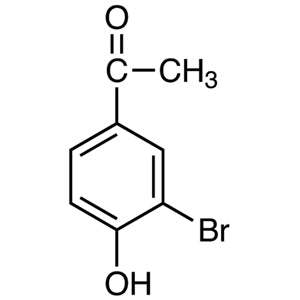
3'-Bromo-4'-hydroxyacetophenone TCI B5158
Regular price Rp 2.914.800,00Regular priceRp 2.053.800,00Sale price Rp 2.914.800,00