5-Bromo-2'-deoxyuridine (BrdU) is a chemical compound widely used in molecular biology and biomedical research. As an analog of deoxyribonucleic acid (DNA) nucleotides, BrdU can replace cytosine during DNA synthesis, making it a valuable tool for studying cellular processes. In laboratory settings, BrdU is essential for tracking cell proliferation, differentiation, and response to therapeutic agents. Its ability to integrate into DNA during replication allows researchers to visualize and analyze actively dividing cells through techniques such as immunofluorescence and histology.
The chemical stability of BrdU and its capacity to bind permanently to DNA make it a preferred choice for various experimental applications. Its non-toxic nature at specific concentrations also contributes to its widespread use in cancer research, where it helps elucidate the mechanisms of tumor growth and metastasis. Additionally, BrdU's compatibility with multiple analytical methods ensures reliable and reproducible results, enhancing the accuracy of scientific investigations.
In Indonesian laboratories, BrdU is commonly used in health research, pharmacology, and cell biology studies. It supports investigations into drug effects, immune responses, and tissue regeneration. Its availability in the local market facilitates access to this essential reagent, enabling researchers to conduct high-quality experiments without logistical constraints.
TCI brochures (PDF)
- Nucleosides, Nucleotides, Nucleic Acids and Related Reagents 2026-03-23 · p. 3
- Cell proliferation studies benefit from BrdU’s ability to label dividing cells, allowing researchers to quantify and analyze cell cycle dynamics.
- Immunofluorescence techniques utilize BrdU to detect and visualize DNA synthesis in living cells, providing insights into cellular activity.
- Histological analysis incorporates BrdU to identify actively dividing cells in tissue samples, aiding in the study of disease progression and treatment efficacy.
- Cancer research leverages BrdU to investigate tumor growth mechanisms and the impact of therapeutic interventions on cell division.
- Drug response studies use BrdU to assess how different compounds affect cell proliferation, supporting the development of new treatments.
| Brand | TCI |
|---|---|
| CAS number | 59-14-3 |
| Molecular formula | — |
| Purity | — |
| Category | Life Science > Biochemicals and Reagents > Nucleosides, Nucleotides, Oligonucleotides |
| Pack sizes | Available in various quantities as per supplier specifications |
| Physical form | Solid powder |
| Storage | Store in a cool, dry place away from light |
BrdU should be stored in a cool, dry environment, away from direct light to maintain its chemical stability. It is recommended to use airtight containers to prevent moisture absorption, which could compromise its integrity. When handling BrdU, researchers should wear appropriate personal protective equipment, including gloves and safety goggles, to ensure safety. Due to its chemical nature, it is important to avoid inhalation or contact with skin and eyes. Proper labeling of storage containers is essential to prevent accidental exposure. Regular monitoring of storage conditions ensures that the compound remains effective for experimental use.
—
Produk Terkait
-
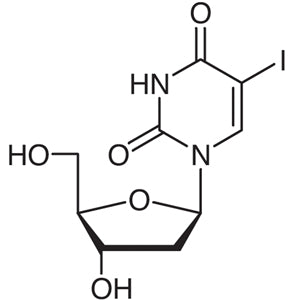
5-Iodo-2'-deoxyuridine TCI I0258
Regular price From Rp 1.749.300,00Regular priceRp 1.239.000,00Sale price From Rp 1.749.300,00 -
5-Ethynyl-2'-deoxyuridine TCI E1057
Regular price From Rp 1.643.250,00Regular priceRp 1.164.450,00Sale price From Rp 1.643.250,00 -
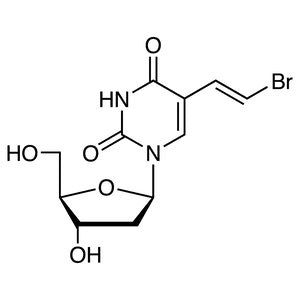
(E)-5-(2-Bromovinyl)-2'-deoxyuridine TCI B3404
Regular price Rp 5.221.650,00Regular priceRp 3.666.600,00Sale price Rp 5.221.650,00 -
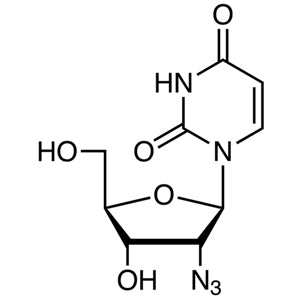
2'-Azido-2'-deoxyuridine TCI A2942
Regular price Rp 5.114.550,00Regular priceRp 3.592.050,00Sale price Rp 5.114.550,00 -
2'-Deoxyuridine TCI D0060
Regular price From Rp 822.150,00Regular priceRp 590.100,00Sale price From Rp 822.150,00 -
2',3'-Dideoxyuridine TCI D6106
Regular price Rp 9.646.350,00Regular priceRp 6.760.950,00Sale price Rp 9.646.350,00 -
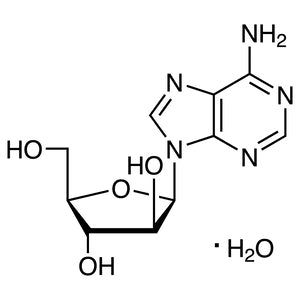
VidarabineMonohydrate TCI V0098
Regular price From Rp 3.710.700,00Regular priceRp 2.610.300,00Sale price From Rp 3.710.700,00 -
9-beta-D-Arabinofuranosylguanine TCI A2739
Regular price From Rp 530.250,00Regular priceRp 386.400,00Sale price From Rp 530.250,00