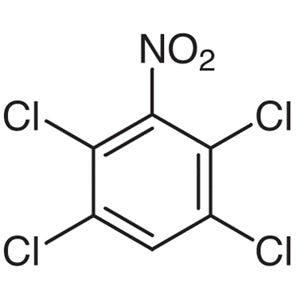
3-Bromo-4-chloronitrobenzene is a chemical compound widely used as a building block in the synthesis of complex organic molecules. Its aromatic structure, combined with substituents of bromo, chloro, and nitro groups, makes it a versatile reagent in organic chemistry. This compound plays a crucial role in laboratory settings where the construction of intricate molecular frameworks is required. It is particularly valuable in both academic and industrial research due to its ability to participate in various chemical reactions, including electrophilic substitution and other transformation processes.
The compound's stability and controlled reactivity make it a preferred choice for chemists working on synthetic pathways that require precise modifications to aromatic rings. Its chemical properties allow it to react with a range of reagents such as alkali metals, acids, and specific catalysts, enhancing its utility in diverse experimental conditions. The predictable behavior of 3-Bromo-4-chloronitrobenzene ensures reliable results in laboratory experiments, making it an essential component in the development of new compounds and pharmaceutical research.
In Indonesian laboratories, 3-Bromo-4-chloronitrobenzene is frequently used in organic chemistry research, especially in higher education institutions and research centers. It is commonly found in projects focused on the synthesis of new compounds and molecular modifications. Its widespread application underscores its importance in advancing chemical research and innovation within the scientific community in Indonesia.
- Organic synthesis projects benefit from this compound's ability to undergo electrophilic substitution reactions, enabling the creation of complex aromatic derivatives.
- Pharmaceutical research utilizes its reactivity to develop new drug molecules through structural modifications and functional group transformations.
- Academic laboratories use it as a standard building block for teaching and research in organic chemistry, providing hands-on experience with aromatic substitution mechanisms.
- Industrial chemical processes incorporate it for the production of intermediates used in the manufacture of dyes, pesticides, and other specialty chemicals.
- Environmental studies may employ it to investigate the behavior of substituted aromatic compounds in various chemical environments and reaction conditions.
| Brand | TCI |
|---|---|
| CAS number | 16588-26-4 |
| Molecular formula | — |
| Purity | — |
| Category | Chemistry > Building Blocks > Non-Heterocyclic Building Blocks |
| Pack sizes | Available in various quantities as per standard laboratory supply |
| Physical form | Solid |
| Storage | Store in a cool, dry place away from light and incompatible materials |
This compound should be stored in a cool, dry environment, away from direct sunlight and sources of heat. It is recommended to keep it in a tightly sealed container to prevent exposure to moisture and air. Due to its potential reactivity, it should be handled in a well-ventilated area, ideally within a fume hood, to minimize inhalation risks. Avoid contact with incompatible substances such as strong bases or reducing agents. Always wear appropriate personal protective equipment, including gloves, goggles, and a lab coat, when handling this material. Proper storage and handling practices ensure the safety of laboratory personnel and maintain the integrity of the compound for use in experiments.
—
Produk Terkait
-
4-Chloronitrobenzene TCI C0222
Regular price From Rp 848.400,00Regular priceRp 593.250,00Sale price From Rp 848.400,00 -
2-Chloronitrobenzene TCI C0220
Regular price From Rp 452.550,00Regular priceRp 316.050,00Sale price From Rp 452.550,00 -
3,4,5-Trichloronitrobenzene TCI T1580
Regular price From Rp 743.400,00Regular priceRp 519.750,00Sale price From Rp 743.400,00 -
2,3,4-Trichloronitrobenzene TCI T1197
Regular price Rp 1.353.450,00Regular priceRp 946.050,00Sale price Rp 1.353.450,00 -
2,3,4,5-Tetrachloronitrobenzene TCI T1128
Regular price Rp 1.298.850,00Regular priceRp 908.250,00Sale price Rp 1.298.850,00 -
2,3,5,6-Tetrachloronitrobenzene TCI T0624
Regular price From Rp 1.510.950,00Regular priceRp 1.056.300,00Sale price From Rp 1.510.950,00 -
2,4,6-Trichloronitrobenzene TCI T0388
Regular price From Rp 1.035.300,00Regular priceRp 723.450,00Sale price From Rp 1.035.300,00 -
2,4,5-Trichloronitrobenzene TCI T0387
Regular price Rp 769.650,00Regular priceRp 537.600,00Sale price Rp 769.650,00