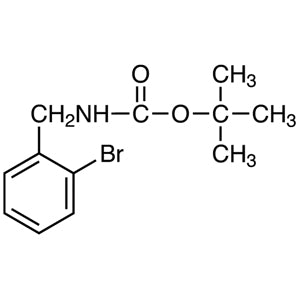
N-(tert-Butoxycarbonyl)-p-toluenesulfonamide is a chemical compound widely used in organic synthesis reactions. It serves as a versatile building block in the development of complex molecules, particularly in substitution reactions and bond-forming processes. This compound is essential for researchers aiming to create new substances with applications in pharmaceuticals, materials science, and organic chemistry. Its controlled reactivity and stable molecular structure make it a reliable choice for synthetic pathways that require precision and minimal byproduct formation.
The compound's well-defined chemical properties and predictable behavior in various reaction conditions make it a preferred choice for synthetic chemists. Its ability to participate in a range of chemical transformations, such as nucleophilic substitution and acyl transfer, enhances its utility in laboratory settings. The solid form of the compound also facilitates easy handling, storage, and use in routine laboratory procedures. These characteristics contribute to its popularity among researchers working on complex molecular synthesis.
In Indonesian laboratories, N-(tert-Butoxycarbonyl)-p-toluenesulfonamide is commonly used in organic chemistry research. It is particularly relevant for the development of bioactive compounds and advanced materials. Its availability and reliability make it a staple in academic and research institutions across Indonesia, supporting ongoing studies in pharmaceutical and material sciences.
TCI brochures (PDF)
- C-N Bond Formation Reactions 2025-08-07 · p. 5
Related TCI products
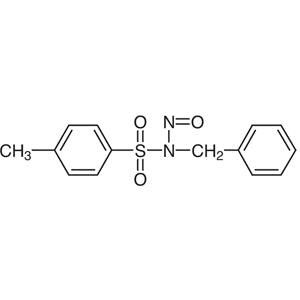
- TCI B3051 33528-13-1 N-Benzyl-N-nitroso-p-toluenesulfonamide
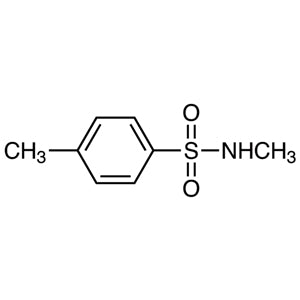
- TCI M1717 640-61-9 N-Methyl-p-toluenesulfonamide
- TCI E0674 80-39-7 N-Ethyl-p-toluenesulfonamide
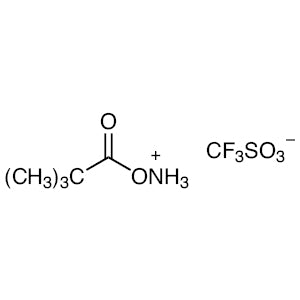
- TCI P2856 1293990-73-4 O-Pivaloylhydroxylammonium Trifluoromethanesulfonate
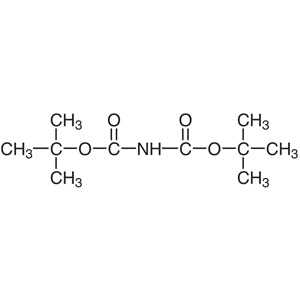
- TCI I0497 51779-32-9 Di-tert-butyl Iminodicarboxylate
- TCI B5001 219511-71-4 1-(tert-Butoxycarbonyl)guanidine
- Organic synthesis reactions benefit from this compound's controlled reactivity and stable molecular structure, allowing for precise and efficient synthesis of complex molecules.
- Pharmaceutical research utilizes this compound as a key intermediate in the development of bioactive compounds, supporting drug discovery and formulation processes.
- Material science applications leverage its ability to participate in bond-forming reactions, aiding in the creation of advanced polymers and functional materials.
- Academic research in chemistry relies on its versatility, making it a fundamental tool for teaching and experimental studies in undergraduate and graduate programs.
- Industrial chemical processes incorporate this compound due to its predictable behavior and compatibility with various reagents, enhancing process efficiency and product consistency.
| Brand | TCI |
|---|---|
| CAS number | 18303-04-3 |
| Molecular formula | — |
| Purity | — |
| Category | Chemistry > Building Blocks > Non-Heterocyclic Building Blocks |
| Pack sizes | Available in standard laboratory quantities |
| Physical form | Solid |
| Storage | Store in a cool, dry place away from moisture and direct sunlight |
This compound should be stored in a cool, dry environment to maintain its stability and prevent degradation. It is recommended to use airtight containers to protect it from moisture and contaminants. Due to its reactivity, it should be handled with appropriate personal protective equipment, such as gloves and safety goggles, to ensure laboratory safety. The compound is best stored in a well-ventilated area to minimize exposure to airborne particles. Regular inspection of storage conditions is advised to ensure optimal preservation and usability in research applications.
—
Produk Terkait
-
N-Benzyl-N-nitroso-p-toluenesulfonamide TCI B3051
Regular price From Rp 3.895.500,00Regular priceRp 2.739.450,00Sale price From Rp 3.895.500,00 -
N-Methyl-p-toluenesulfonamide TCI M1717
Regular price From Rp 1.298.850,00Regular priceRp 924.000,00Sale price From Rp 1.298.850,00 -
N-Ethyl-p-toluenesulfonamide TCI E0674
Regular price Rp 769.650,00Regular priceRp 553.350,00Sale price Rp 769.650,00 -
O-PivaloylhydroxylammoniumTrifluoromethanesulfonate TCI P2856
Regular price Rp 2.306.850,00Regular priceRp 1.628.550,00Sale price Rp 2.306.850,00 -
Di-tert-butylIminodicarboxylate TCI I0497
Regular price From Rp 1.298.850,00Regular priceRp 924.000,00Sale price From Rp 1.298.850,00 -
1-(tert-Butoxycarbonyl)guanidine TCI B5001
Regular price From Rp 1.351.350,00Regular priceRp 960.750,00Sale price From Rp 1.351.350,00 -
2-Bromo-N-(tert-butoxycarbonyl)benzylamine TCI B4920
Regular price From Rp 1.087.800,00Regular priceRp 775.950,00Sale price From Rp 1.087.800,00 -
N,O-Bis(tert-butoxycarbonyl)hydroxylamine TCI B4780
Regular price From Rp 1.431.150,00Regular priceRp 1.016.400,00Sale price From Rp 1.431.150,00