(R)-(+)-2-Bromopropionic Acid is a chiral compound widely used in asymmetric synthesis to construct molecules with specific biological activities. This material plays a critical role in laboratories where precise control over molecular structure is essential, particularly in the development of pharmaceuticals and complex organic compounds. Its chiral nature allows for the creation of enantiomers, which can exhibit different biological effects, making it a valuable tool in synthetic chemistry. As a key building block in asymmetric synthesis, it supports the design of molecules with defined stereochemistry, enhancing the efficiency and selectivity of chemical reactions.
The compound’s optical activity and chiral structure make it a preferred choice for researchers aiming to achieve high stereocontrol in synthetic pathways. Its availability in solid form simplifies handling and processing, enabling its use in both small-scale and large-scale experiments. Additionally, its stability under standard laboratory conditions ensures consistent performance, making it a reliable reagent in various chemical processes. These properties collectively contribute to its widespread use in both academic and industrial research settings.
In Indonesian laboratories, (R)-(+)-2-Bromopropionic Acid is commonly utilized in pure and applied chemical research, especially in the fields of pharmacy and organic chemistry. Local researchers frequently employ this compound to develop new compounds with potential medical or industrial applications. Its role in creating chiral intermediates supports the advancement of drug discovery and synthetic methodologies, reinforcing its importance in the scientific community.
TCI brochures (PDF)
- Chiral Building Blocks 2025-04-14 · p. 12
- Asymmetric Synthesis: This compound is ideal for creating chiral molecules with specific stereochemistry, essential in pharmaceutical research for developing enantiomerically pure drugs.
- Organic Chemistry Research: It serves as a key building block in the synthesis of complex organic compounds, supporting the design of molecules with defined stereochemical properties.
- Drug Development: Its ability to produce enantiomers with different biological activities makes it valuable in the development of new therapeutic agents.
- Chiral Intermediate Preparation: It is widely used to generate chiral intermediates, which are crucial in the synthesis of bioactive compounds and pharmaceuticals.
- Academic and Industrial Research: Its reliability and availability make it a preferred choice for both academic studies and industrial applications in chemical synthesis.
| Brand | TCI |
|---|---|
| CAS number | 10009-70-8 |
| Molecular formula | — |
| Purity | — |
| Category | Chemistry > Asymmetric Synthesis > Chiral Building Blocks |
| Pack sizes | Available in various quantities as per standard laboratory supply |
| Physical form | Solid |
| Storage | Store in a cool, dry place away from light and moisture |
This compound should be stored in a cool, dry environment, away from direct sunlight and moisture to maintain its chemical integrity. It is recommended to use airtight containers to prevent exposure to air and humidity, which could affect its stability. Due to its chiral nature, it is important to handle it with care to avoid contamination or degradation. In laboratory settings, it should be kept in a secure location that is accessible only to authorized personnel. Proper labeling and documentation are essential to ensure safe handling and usage. Always follow standard safety protocols when working with this material to minimize risks associated with chemical exposure.
—
Produk Terkait
-
(S)-(-)-2-BromopropionicAcid TCI B1757
Regular price From Rp 2.677.500,00Regular priceRp 1.887.900,00Sale price From Rp 2.677.500,00 -
3-BromopropionicAcid TCI B0645
Regular price From Rp 769.650,00Regular priceRp 553.350,00Sale price From Rp 769.650,00 -
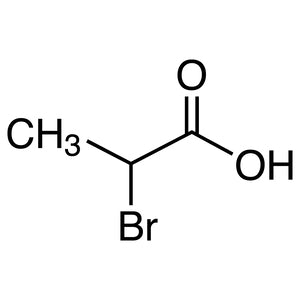
2-BromopropionicAcid TCI B0644
Regular price From Rp 662.550,00Regular priceRp 478.800,00Sale price From Rp 662.550,00 -
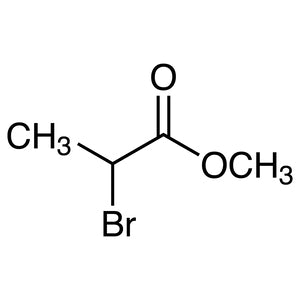
Methyl2-Bromopropionate TCI B1460
Regular price From Rp 822.150,00Regular priceRp 590.100,00Sale price From Rp 822.150,00 -
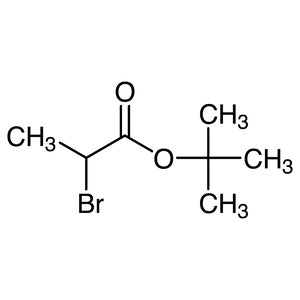
tert-Butyl2-Bromopropionate TCI B1277
Regular price From Rp 3.365.250,00Regular priceRp 2.368.800,00Sale price From Rp 3.365.250,00 -
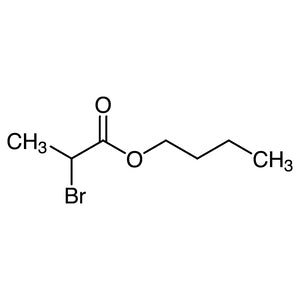
Butyl2-Bromopropionate TCI B1031
Regular price Rp 795.900,00Regular priceRp 572.250,00Sale price Rp 795.900,00 -
Methyl3-Bromopropionate TCI B0648
Regular price From Rp 1.538.250,00Regular priceRp 1.090.950,00Sale price From Rp 1.538.250,00 -
Ethyl3-Bromopropionate TCI B0647
Regular price From Rp 1.563.450,00Regular priceRp 1.108.800,00Sale price From Rp 1.563.450,00