9-Bromo-1-nonanol is a chemical compound widely used as a building block in the synthesis of complex molecules. It belongs to the class of non-heterocyclic building blocks and is commonly utilized in organic chemistry laboratories for its versatility and reactivity. This compound features a bromine atom attached to the ninth carbon of a nine-carbon alcohol chain, making it a valuable reagent for substitution reactions and bond-forming processes. Its structural simplicity allows for easy modification, enabling chemists to create a wide range of derivatives with specific functional groups.
The compound’s reactivity stems from its alcohol functional group and the presence of a bromo substituent, which makes it suitable for nucleophilic and electrophilic reactions. These properties make it a preferred choice for researchers aiming to develop new compounds with diverse applications. Its ability to participate in various chemical transformations, such as alkylation and substitution, enhances its utility in synthetic pathways. As a result, it is a frequently used reagent in both academic and industrial research settings.
In Indonesian laboratories, 9-Bromo-1-nonanol is extensively used in organic synthesis experiments. It is commonly found in research institutions and universities where chemists conduct studies on molecular structure and reactivity. Its reliability and effectiveness in supporting complex chemical reactions make it a staple in the laboratories of Indonesian scientists working in the field of organic chemistry. The compound’s widespread use highlights its importance in advancing chemical research and innovation in the region.
Related TCI products
- TCI T3258 80806-68-4 1H,1H,2H,2H,3H,3H-Tridecafluoro-1-nonanol
- TCI B5394 22802-39-7 2-Bromo-4,5-dimethylphenol
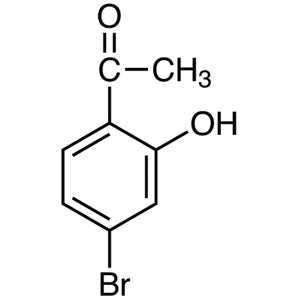
- TCI B5382 30186-18-6 4'-Bromo-2'-hydroxyacetophenone
- TCI B5297 129103-69-1 2-Bromo-4,5-dimethoxyphenol
- TCI B5285 149104-89-2 4-Bromo-3-methylbenzyl Alcohol
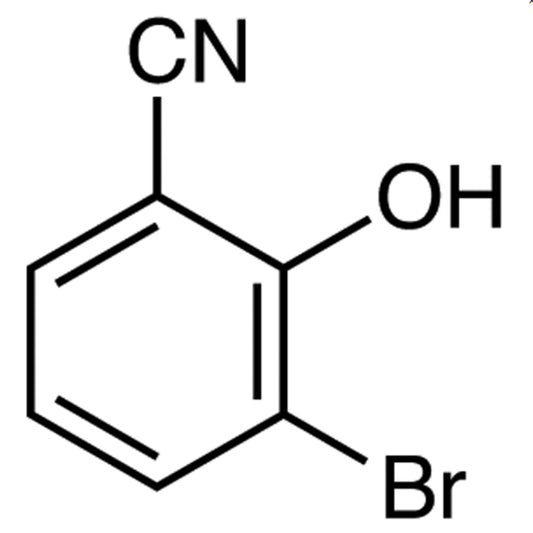
- TCI B5273 13073-28-4 3-Bromo-2-hydroxybenzonitrile
- Organic synthesis is a key application where 9-Bromo-1-nonanol is used to build complex molecular structures through substitution and bond-forming reactions.
- Drug development benefits from its reactivity, allowing chemists to create new compounds with potential pharmaceutical applications.
- Material science research utilizes this compound to develop new polymers and functional materials through chemical modifications.
- Analytical chemistry experiments often incorporate 9-Bromo-1-nonanol to test reaction mechanisms and reactivity under different conditions.
- Educational institutions use it as a teaching tool to demonstrate fundamental concepts in organic chemistry and synthetic methodologies.
| Brand | TCI |
|---|---|
| CAS number | 55362-80-6 |
| Molecular formula | — |
| Purity | — |
| Category | Chemistry > Building Blocks > Non-Heterocyclic Building Blocks |
| Pack sizes | Available in various quantities as per supplier specifications |
| Physical form | Liquid |
| Storage | Store in a cool, dry place away from light and incompatible materials |
9-Bromo-1-nonanol should be stored in a cool, dry location, away from direct sunlight and sources of heat. It is recommended to use airtight containers made of glass or polyethylene to prevent contamination and evaporation. Due to its reactivity, it should be kept away from strong oxidizing agents and incompatible substances. Always ensure proper ventilation when handling the compound to minimize exposure. Laboratory personnel should wear appropriate personal protective equipment, including gloves and safety goggles, to ensure safe handling. The compound is not classified as hazardous under standard conditions, but standard chemical safety protocols should still be followed to maintain a safe working environment.
—
Produk Terkait
-
1H,1H,2H,2H,3H,3H-Tridecafluoro-1-nonanol TCI T3258
Regular price From Rp 1.961.400,00Regular priceRp 1.371.300,00Sale price From Rp 1.961.400,00 -
2-Bromo-4,5-dimethylphenol TCI B5394
Regular price From Rp 3.127.950,00Regular priceRp 2.187.150,00Sale price From Rp 3.127.950,00 -
4'-Bromo-2'-hydroxyacetophenone TCI B5382
Regular price From Rp 875.700,00Regular priceRp 627.900,00Sale price From Rp 875.700,00 -
2-Bromo-4,5-dimethoxyphenol TCI B5297
Regular price Rp 2.518.950,00Regular priceRp 1.776.600,00Sale price Rp 2.518.950,00 -
4-Bromo-3-methylbenzylAlcohol TCI B5285
Regular price From Rp 2.359.350,00Regular priceRp 1.649.550,00Sale price From Rp 2.359.350,00 -
3-Bromo-2-hydroxybenzonitrile TCI B5273
Regular price From Rp 1.272.600,00Regular priceRp 905.100,00Sale price From Rp 1.272.600,00 -
4-Bromo-2-methylbenzylAlcohol TCI B5231
Regular price From Rp 1.298.850,00Regular priceRp 908.250,00Sale price From Rp 1.298.850,00 -
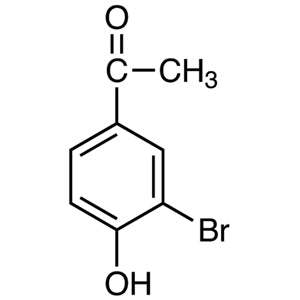
3'-Bromo-4'-hydroxyacetophenone TCI B5158
Regular price Rp 2.914.800,00Regular priceRp 2.053.800,00Sale price Rp 2.914.800,00