N-(2-Pyridyl)bis(trifluoromethanesulfonimide), also known as Triflating Reagent, is a synthetic chemical compound widely used in laboratory settings for its role in facilitating specific chemical reactions. This reagent is essential in coupling reactions, where it activates substrates through electrophilic mechanisms, enabling the formation of targeted chemical bonds. Its application is critical in the synthesis of complex organic compounds, particularly in research involving functional group transformations and molecular modifications. Due to its effectiveness in promoting selective and efficient reactions, it is a favored tool in modern synthetic chemistry.
The reagent's unique chemical properties, including its high reactivity and stability under controlled conditions, make it a preferred choice for synthetic chemists. Its molecular structure allows for precise and selective reactions, minimizing byproducts and enhancing the purity of the final products. These characteristics are vital in applications requiring high precision and reproducibility, such as pharmaceutical and materials science research. The reagent’s ability to maintain stability during storage and use further contributes to its reliability in laboratory environments.
In Indonesian laboratories, this reagent is commonly used in organic chemistry research, particularly in academic and research institutions focused on the synthesis of new compounds. It plays a key role in projects related to pharmacology, material science, and chemical engineering. Its presence in these contexts underscores its importance in advancing scientific research and innovation in the region.
TCI brochures (PDF)
- Sulfonylation Reagents 2023-01-20 · p. 2
- Condensing Agents 2025-11-18 · p. 8
- Protecting Agents 2025-03-25 · p. 11
Related TCI products
- TCI P1257 37595-74-7 N-Phenylbis(trifluoromethanesulfonimide) [Triflating Reagent]
- TCI T1100 358-23-6 Trifluoromethanesulfonic Anhydride
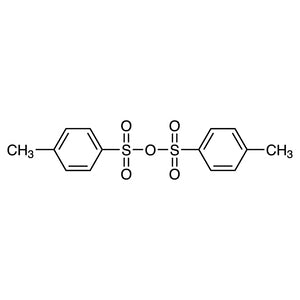
- TCI T1485 4124-41-8 p-Toluenesulfonic Anhydride
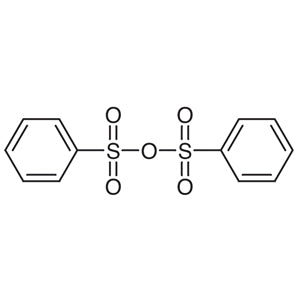
- TCI B1931 512-35-6 Benzenesulfonic Anhydride
- TCI T3177 29540-81-6 1-(Trifluoromethanesulfonyl)imidazole
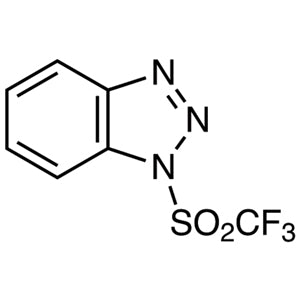
- TCI T3167 117632-84-5 1-(Trifluoromethanesulfonyl)-1H-benzotriazole
- Organic synthesis for coupling reactions due to its ability to activate substrates through electrophilic mechanisms.
- Pharmaceutical research for the development of new drugs requiring precise functional group modifications.
- Material science applications in the creation of advanced polymers and nanomaterials through controlled chemical reactions.
- Academic research in universities and research institutes focusing on synthetic chemistry and molecular design.
- Chemical engineering projects involving the synthesis of complex organic compounds for industrial applications.
| Brand | TCI |
|---|---|
| CAS number | 145100-50-1 |
| Molecular formula | — |
| Purity | — |
| Category | Chemistry > Synthetic Reagents > Coupling [Synthetic Reagents] |
| Pack sizes | Available in various sizes as per supplier specifications |
| Physical form | Solid or powder, depending on the specific formulation |
| Storage | Store in a cool, dry place away from moisture and direct sunlight |
This reagent should be stored in a cool, dry environment, away from moisture and direct sunlight to maintain its chemical stability. It is recommended to use airtight containers made of materials compatible with its chemical nature, such as glass or high-density polyethylene. Due to its reactivity, it should be handled with care, using appropriate personal protective equipment like gloves and safety goggles. Avoid exposure to incompatible substances, and ensure proper ventilation in the workspace. Regular monitoring of storage conditions is essential to prevent degradation and ensure the reagent remains effective for laboratory use.
—
Produk Terkait
-
N-Phenylbis(trifluoromethanesulfonimide)[TriflatingReagent] TCI P1257
Regular price From Rp 1.908.900,00Regular priceRp 1.350.300,00Sale price From Rp 1.908.900,00 -
TrifluoromethanesulfonicAnhydride TCI T1100
Regular price From Rp 1.670.550,00Regular priceRp 1.167.600,00Sale price From Rp 1.670.550,00 -
p-ToluenesulfonicAnhydride TCI T1485
Regular price From Rp 1.749.300,00Regular priceRp 1.223.250,00Sale price From Rp 1.749.300,00 -
BenzenesulfonicAnhydride TCI B1931
Regular price From Rp 5.062.050,00Regular priceRp 3.539.550,00Sale price From Rp 5.062.050,00 -
1-(Trifluoromethanesulfonyl)imidazole TCI T3177
Regular price From Rp 3.127.950,00Regular priceRp 2.202.900,00Sale price From Rp 3.127.950,00 -
1-(Trifluoromethanesulfonyl)-1H-benzotriazole TCI T3167
Regular price From Rp 1.670.550,00Regular priceRp 1.183.350,00Sale price From Rp 1.670.550,00 -
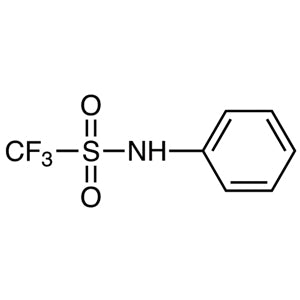
Trifluoromethanesulfonanilide TCI T2985
Regular price From Rp 2.093.700,00Regular priceRp 1.479.450,00Sale price From Rp 2.093.700,00 -
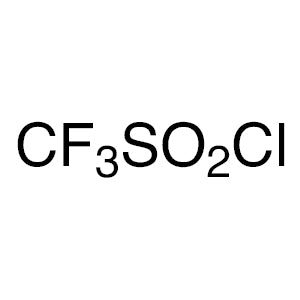
TrifluoromethanesulfonylChloride TCI T1027
Regular price From Rp 2.174.550,00Regular priceRp 1.520.400,00Sale price From Rp 2.174.550,00