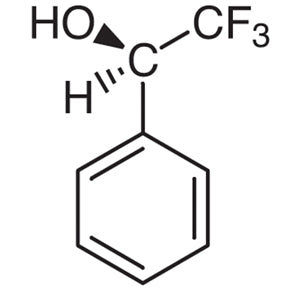
(R,R)-(+)-Bis(alpha-methylbenzyl)amine Hydrochloride is a chiral compound widely used in asymmetric synthesis to construct complex molecular structures. This material plays a crucial role in laboratories where precise stereochimical control is essential for producing optically active compounds. Its unique stereochemistry allows it to act as a chiral building block, enabling the synthesis of molecules with specific spatial configurations. This makes it a valuable tool in the development of pharmaceuticals and organic chemicals, where the spatial arrangement of atoms can significantly affect biological activity.
The compound’s chiral nature and molecular complexity make it a preferred choice for researchers aiming to achieve high selectivity in synthetic reactions. Its ability to interact with various reagents and its stable chemical properties contribute to its reliability in laboratory settings. The hydrochloride salt form enhances its solubility and stability, making it easier to handle and store. These characteristics ensure that it remains a consistent and effective reagent in asymmetric synthesis processes.
In Indonesian laboratories, this compound is commonly used in the synthesis of pharmacological compounds and organic chemicals. Researchers and scientists in educational and research institutions rely on it to develop new compounds with potential therapeutic applications. Its role in creating molecules with specific stereochemistry is vital for advancing drug discovery and chemical innovation in the region.
TCI brochures (PDF)
- Chiral Auxiliaries and Optical Resolving Agents 2025-06-17 · p. 5
- Asymmetric Synthesis 2026-03-18 · p. 5
- Chiral Building Blocks 2025-04-14 · p. 8
Related TCI products
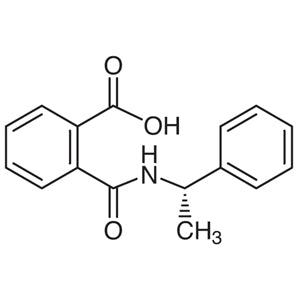
- TCI M0824 21752-36-3 (S)-(-)-N-(alpha-Methylbenzyl)phthalamic Acid
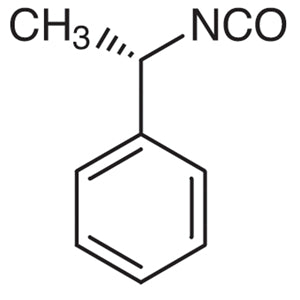
- TCI I0335 14649-03-7 (S)-(-)-alpha-Methylbenzyl Isocyanate
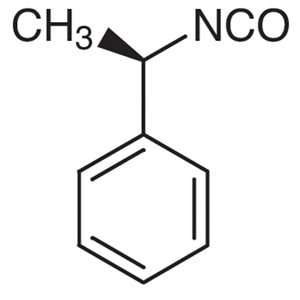
- TCI I0334 33375-06-3 (R)-(+)-alpha-Methylbenzyl Isocyanate
- TCI D4577 330156-50-8 (R)-2,6-Dichloro-3-fluoro-alpha-methylbenzyl Alcohol
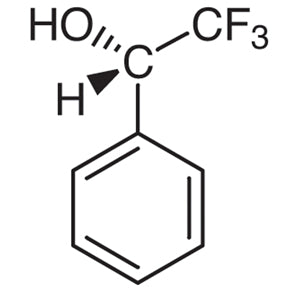
- TCI P1368 340-06-7 (S)-(+)-alpha-(Trifluoromethyl)benzyl Alcohol
- TCI P1367 10531-50-7 (R)-(-)-alpha-(Trifluoromethyl)benzyl Alcohol
- Asymmetric synthesis for creating optically active pharmaceutical compounds due to its chiral structure and stereoselective properties.
- Organic chemistry research for constructing complex molecular frameworks requiring precise stereochemical control.
- Development of bioactive molecules in pharmaceutical laboratories where spatial molecular configuration is critical.
- Chiral building block applications in synthetic pathways that require high enantioselectivity and specificity.
- Advanced chemical synthesis projects in academic and industrial research settings needing reliable chiral reagents.
| Brand | TCI |
|---|---|
| CAS number | 82398-30-9 |
| Molecular formula | — |
| Purity | — |
| Category | Chemistry > Asymmetric Synthesis > Chiral Building Blocks |
| Pack sizes | Available in standard laboratory quantities as per supplier specifications |
| Physical form | Solid powder |
| Storage | Store in a cool, dry place away from moisture and direct sunlight |
This compound should be stored in a cool, dry environment to maintain its stability and prevent degradation. It is recommended to use airtight containers to protect it from moisture and humidity. Due to its chiral nature, it is important to handle it with care to avoid contamination or loss of stereochemical integrity. Proper labeling and storage conditions ensure its effectiveness in laboratory applications. Always follow standard laboratory safety protocols when handling chemical substances, including the use of personal protective equipment. Regular inspection of storage conditions helps maintain the quality and usability of the compound in research settings.
—
Produk Terkait
-
(S)-(-)-N-(alpha-Methylbenzyl)phthalamicAcid TCI M0824
Regular price Rp 1.192.800,00Regular priceRp 849.450,00Sale price Rp 1.192.800,00 -
(S)-(-)-alpha-MethylbenzylIsocyanate TCI I0335
Regular price From Rp 1.590.750,00Regular priceRp 1.111.950,00Sale price From Rp 1.590.750,00 -
(R)-(+)-alpha-MethylbenzylIsocyanate TCI I0334
Regular price From Rp 2.147.250,00Regular priceRp 1.501.500,00Sale price From Rp 2.147.250,00 -
(R)-2,6-Dichloro-3-fluoro-alpha-methylbenzylAlcohol TCI D4577
Regular price From Rp 505.050,00Regular priceRp 352.800,00Sale price From Rp 505.050,00 -
(S)-(+)-alpha-(Trifluoromethyl)benzylAlcohol TCI P1368
Regular price Rp 6.651.750,00Regular priceRp 4.651.500,00Sale price Rp 6.651.750,00 -
(R)-(-)-alpha-(Trifluoromethyl)benzylAlcohol TCI P1367
Regular price Rp 6.916.350,00Regular priceRp 4.836.300,00Sale price Rp 6.916.350,00 -
(S)-(-)-alpha-Methoxy-alpha-(trifluoromethyl)phenylaceticAcid[OpticalResolving] TCI M0832
Regular price From Rp 5.087.250,00Regular priceRp 3.573.150,00Sale price From Rp 5.087.250,00 -
(R)-(+)-alpha-Methoxy-alpha-(trifluoromethyl)phenylaceticAcid[OpticalResolving] TCI M0831
Regular price From Rp 4.902.450,00Regular priceRp 3.444.000,00Sale price From Rp 4.902.450,00