

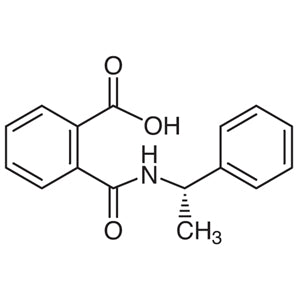
(S)-(-)-N-(α-Methylbenzyl)phthalamic Acid is a chiral compound widely used in asymmetric synthesis to construct complex molecular structures. It serves as a key building block in the development of optically active compounds, which are essential in pharmaceutical and chemical research. This material plays a crucial role in laboratories where the synthesis of stereospecific compounds is required, enabling researchers to control the stereochemistry of final products with precision. Its presence in both academic and industrial settings highlights its importance in advancing chemical innovation.
The compound's optical activity and complex molecular structure make it a preferred choice for applications requiring stereoselective reactions. Its phthalamic acid backbone provides reactivity, allowing it to participate in nucleophilic and electrophilic reactions. These properties make it highly versatile, supporting a wide range of synthetic pathways. Additionally, its availability in standard laboratory quantities ensures that researchers can consistently access this essential reagent without logistical challenges.
In Indonesian laboratories, this compound is commonly used in organic chemistry and pharmacology research. It is integral to experiments focused on drug synthesis and the development of chemically active compounds. Its presence in local supply chains supports local research efforts, reducing the need for imports and ensuring that scientists have reliable access to high-quality materials for their work.
TCI brochures (PDF)
- Chiral Auxiliaries and Optical Resolving Agents 2025-06-17 · p. 6
- Chiral Building Blocks 2025-04-14 · p. 13
Related TCI products
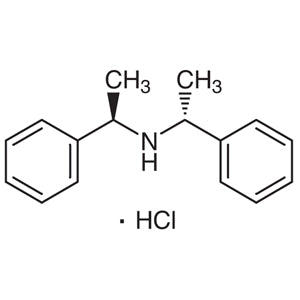
- TCI B2034 82398-30-9 (R,R)-(+)-Bis(alpha-methylbenzyl)amine Hydrochloride
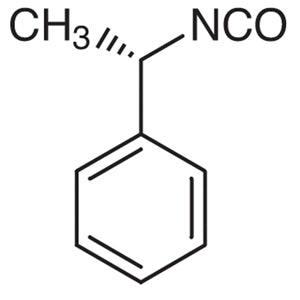
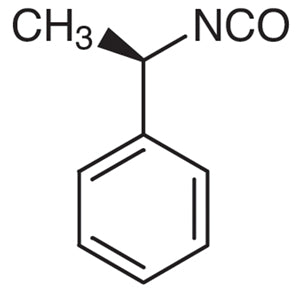
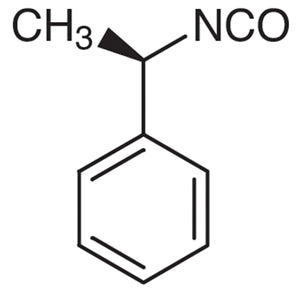
- TCI I0335 14649-03-7 (S)-(-)-alpha-Methylbenzyl Isocyanate
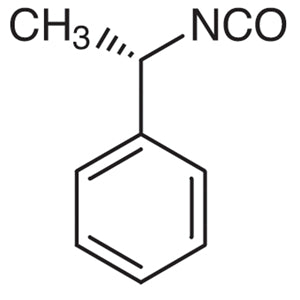
- TCI I0334 33375-06-3 (R)-(+)-alpha-Methylbenzyl Isocyanate
- TCI D4577 330156-50-8 (R)-2,6-Dichloro-3-fluoro-alpha-methylbenzyl Alcohol
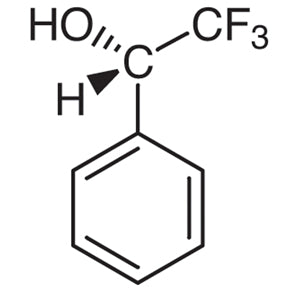
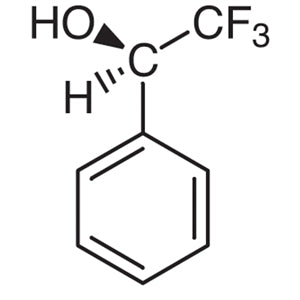
- TCI P1368 340-06-7 (S)-(+)-alpha-(Trifluoromethyl)benzyl Alcohol
- TCI P1367 10531-50-7 (R)-(-)-alpha-(Trifluoromethyl)benzyl Alcohol
- Asymmetric Synthesis: This compound is ideal for creating chiral molecules with specific stereochemistry, which is essential in drug development.
- Organic Chemistry Research: Its reactivity and structural complexity make it a valuable tool for synthesizing complex organic compounds.
- Pharmaceutical Development: It is used in the production of optically active pharmaceuticals, contributing to the creation of effective and safe drugs.
- Chiral Compound Characterization: Its optical activity allows for precise analysis and identification in spectroscopic and analytical studies.
- Academic Teaching and Research: It is frequently used in educational and research settings to demonstrate and explore chiral synthesis techniques.
| Brand | TCI |
|---|---|
| CAS number | 21752-36-3 |
| Molecular formula | — |
| Purity | — |
| Category | Chemistry > Asymmetric Synthesis > Chiral Building Blocks |
| Pack sizes | Available in standard laboratory quantities as per supplier specifications |
| Physical form | Solid, typically in crystalline form |
| Storage | Store in a cool, dry place away from light and moisture |
This compound should be stored in a cool, dry environment, away from direct light and moisture to maintain its stability and purity. It is recommended to use airtight containers to prevent exposure to humidity and contaminants. Due to its chemical nature, it should be handled with care, using appropriate personal protective equipment such as gloves and safety goggles. It is important to ensure proper ventilation in the laboratory when working with this material to minimize inhalation risks. Always follow standard laboratory safety protocols to ensure safe handling and storage practices.
—
Produk Terkait
-
(R,R)-(+)-Bis(alpha-methylbenzyl)amineHydrochloride TCI B2034
Regular price Rp 4.743.900,00Regular price -
(S)-(-)-alpha-MethylbenzylIsocyanate TCI I0335
Regular price From Rp 1.590.750,00Regular price -
(R)-(+)-alpha-MethylbenzylIsocyanate TCI I0334
Regular price From Rp 2.147.250,00Regular price -
(R)-2,6-Dichloro-3-fluoro-alpha-methylbenzylAlcohol TCI D4577
Regular price From Rp 505.050,00Regular price -
(S)-(+)-alpha-(Trifluoromethyl)benzylAlcohol TCI P1368
Regular price Rp 6.651.750,00Regular price -
(R)-(-)-alpha-(Trifluoromethyl)benzylAlcohol TCI P1367
Regular price Rp 6.916.350,00Regular price -
(S)-(-)-alpha-Methoxy-alpha-(trifluoromethyl)phenylaceticAcid[OpticalResolving] TCI M0832
Regular price From Rp 5.034.750,00Regular price -
(R)-(+)-alpha-Methoxy-alpha-(trifluoromethyl)phenylaceticAcid[OpticalResolving] TCI M0831
Regular price From Rp 4.849.950,00Regular price

![17257-71-5 (S)-(-)-alpha-Methoxy-alpha-(trifluoromethyl)phenylacetic Acid [Optical Resolving] - AMI Scientific](http://amiscientific.com/cdn/shop/files/TCI2510M0832.jpg?v=1769142869&width=533)
![20445-31-2 (R)-(+)-alpha-Methoxy-alpha-(trifluoromethyl)phenylacetic Acid [Optical Resolving] - AMI Scientific](http://amiscientific.com/cdn/shop/files/TCI2510M0831.jpg?v=1767123812&width=533)