1,4-Bis[4-(di-p-tolylamino)styryl]benzene is a key organic compound used in the field of electronic materials, specifically in the development of Organic Light-Emitting Diode (OLED) technologies. This material serves as an emissive layer in OLED devices, which are widely used in display and lighting industries due to their energy efficiency and high brightness. In laboratory settings, it plays a vital role in research and development aimed at improving the performance and longevity of OLED materials. Its molecular structure enables the emission of light at specific wavelengths, making it essential for creating high-quality, durable light sources.
This compound is preferred due to its excellent thermal and chemical stability, which ensures consistent performance under various environmental conditions. Its complex molecular structure allows for efficient light emission, contributing to the overall efficiency of OLED devices. Additionally, its high conductivity and emissive properties make it a reliable choice for researchers working on advanced material science projects. These characteristics make it a versatile and effective material for both academic and industrial applications.
In Indonesian laboratories, this compound is commonly used in material science and optoelectronics research. Scientists and researchers in educational institutions and research centers rely on it to develop more efficient and cost-effective OLED devices. Its application supports innovation in display technologies and sustainable lighting solutions, making it a critical component in modern materials research.
TCI brochures (PDF)
- Organic Light-Emitting Diode (OLED) Materials 2026-08-18 · p. 7
Related TCI products
- TCI B4682 119586-44-6 4,4'-Bis[4-(di-p-tolylamino)styryl]biphenyl
- TCI B5820 55035-42-2 1,4-Bis[4-(N,N-diphenylamino)styryl]benzene
- TCI B4792 62608-15-5 1,4-Bis[2-(9-ethylcarbazol-3-yl)vinyl]benzene
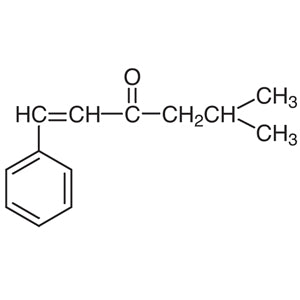
- TCI I0253 2892-18-4 Isobutyl Styryl Ketone
- TCI T3007 72811-73-5 4-(m-Tolylamino)pyridine-3-sulfonamide
- TCI M2572 86672-58-4 6-Methyl-2-(p-tolylamino)-4H-3,1-benzoxazin-4-one
- OLED material development for high-efficiency light-emitting devices due to its light-emitting properties and stability.
- Research in organic electronics for creating advanced display technologies with improved performance and durability.
- Material characterization studies to analyze the optical and electrical properties of organic compounds.
- Development of new lighting solutions for industrial and consumer applications requiring energy-efficient illumination.
- Academic and industrial collaboration projects focused on advancing optoelectronic materials for next-generation technologies.
| Brand | TCI |
|---|---|
| CAS number | 55035-43-3 |
| Molecular formula | — |
| Purity | — |
| Category | Materials Science > Electronic Materials > Organic Light-Emitting Diode (OLED) Materials |
| Pack sizes | Available in various quantities as per standard laboratory supply practices |
| Physical form | Solid |
| Storage | Store in a cool, dry place away from direct sunlight and moisture |
This material should be stored in a cool, dry environment to maintain its chemical and thermal stability. It is recommended to use airtight containers to prevent exposure to moisture and contaminants. Due to its organic nature, it should be handled in a well-ventilated area, and personal protective equipment such as gloves and safety goggles should be worn during handling. Avoid contact with incompatible substances and ensure proper disposal in accordance with local regulations. Regular monitoring of storage conditions is essential to ensure the material remains in optimal condition for laboratory use.
—
Produk Terkait
-
4,4'-Bis[4-(di-p-tolylamino)styryl]biphenyl TCI B4682
Regular price Rp 3.763.200,00Regular priceRp 2.647.050,00Sale price Rp 3.763.200,00 -
1,4-Bis[4-(N,N-diphenylamino)styryl]benzene TCI B5820
Regular price Rp 2.942.100,00Regular priceRp 2.072.700,00Sale price Rp 2.942.100,00 -
1,4-Bis[2-(9-ethylcarbazol-3-yl)vinyl]benzene TCI B4792
Regular price Rp 1.405.950,00Regular priceRp 998.550,00Sale price Rp 1.405.950,00 -
IsobutylStyrylKetone TCI I0253
Regular price Rp 3.683.400,00Regular priceRp 2.575.650,00Sale price Rp 3.683.400,00 -
4-(m-Tolylamino)pyridine-3-sulfonamide TCI T3007
Regular price Rp 2.384.550,00Regular priceRp 1.683.150,00Sale price Rp 2.384.550,00 -
6-Methyl-2-(p-tolylamino)-4H-3,1-benzoxazin-4-one TCI M2572
Regular price From Rp 1.988.700,00Regular priceRp 1.405.950,00Sale price From Rp 1.988.700,00 -
4-(Di-p-tolylamino)benzaldehyde TCI D2737
Regular price From Rp 1.167.600,00Regular priceRp 831.600,00Sale price From Rp 1.167.600,00 -
1,3,5-Tris(1-phenyl-1H-benzimidazol-2-yl)benzene TCI T3537
Regular price From Rp 2.121.000,00Regular priceRp 1.498.350,00Sale price From Rp 2.121.000,00