1-(4-Bromophenyl)-2,2,2-trifluoroethanone is a chemical compound widely used as a building block in the synthesis of complex organic compounds. Its unique structure, featuring a bromine atom on a phenyl ring and three fluorine atoms on an ethanone group, makes it a valuable reagent in synthetic chemistry. In the laboratory, it serves as a key component in reactions that require precise control over molecular structure and reactivity. This compound is particularly useful in applications where substitution reactions or functional group transformations are needed. Its versatility and chemical stability under controlled conditions make it a reliable choice for researchers in various scientific fields.
The compound’s reactivity and specificity are the main factors that make it a preferred choice in chemical synthesis. Its fluorinated structure provides enhanced reactivity in substitution reactions, while the bromine atom allows for selective functionalization. These properties enable chemists to design and synthesize a wide range of organic molecules with high precision. The compound’s ability to participate in multiple reaction types, such as nucleophilic substitution and electrophilic addition, further enhances its utility. Its chemical stability under specific conditions also ensures consistent performance in laboratory settings.
In Indonesian laboratories, this compound is commonly used in academic and industrial research settings. It is particularly favored in pharmaceutical and materials science research due to its role in the development of new compounds with specific chemical properties. Its application in the synthesis of bioactive molecules and advanced materials makes it an essential tool for researchers working on innovative chemical projects.
TCI brochures (PDF)
- Fluorination Reagents, Fluorinated Building Blocks 2026-03-18 · p. 51
Related TCI products
- Organic synthesis applications benefit from this compound's ability to participate in substitution and functionalization reactions, enabling the creation of complex molecular structures with high precision.
- Pharmaceutical research utilizes this compound to develop new drug molecules, as its fluorinated structure can enhance the biological activity and stability of target compounds.
- Materials science experiments rely on this compound for the synthesis of advanced polymers and fluorinated materials, which are used in various industrial applications.
- Analytical chemistry laboratories use this compound as a reference standard for testing and characterizing other fluorinated compounds.
- Environmental studies incorporate this compound to investigate the behavior and reactivity of fluorinated compounds in different chemical environments.
| Brand | TCI |
|---|---|
| CAS number | 16184-89-7 |
| Molecular formula | — |
| Purity | — |
| Category | Chemistry > Building Blocks > Fluorinated Building Blocks |
| Pack sizes | Available in various quantities as per supplier specifications |
| Physical form | Solid or liquid, depending on the specific product formulation |
| Storage | Store in a cool, dry place away from light and incompatible materials |
This compound should be stored in a cool, dry environment, away from direct sunlight and sources of heat. It is recommended to use sealed containers made of materials that are chemically inert, such as glass or high-density polyethylene, to prevent contamination and degradation. Due to its reactivity, it should be handled in a well-ventilated area, preferably under a fume hood, to minimize exposure. Laboratory personnel should wear appropriate personal protective equipment, including gloves, goggles, and a lab coat, when working with this compound. Proper labeling of storage containers is essential to ensure safe handling and prevent accidental use. Always follow standard safety protocols when working with reactive chemical compounds to maintain a safe laboratory environment.
—
Produk Terkait
-
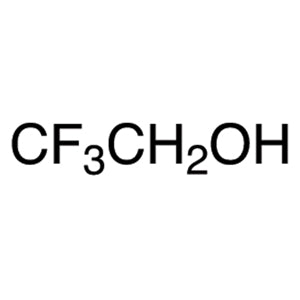
2,2,2-Trifluoroethanol TCI T0435
Regular price From Rp 610.050,00Regular priceRp 426.300,00Sale price From Rp 610.050,00 -
2,2-Difluoroethanol TCI D4128
Regular price From Rp 1.510.950,00Regular priceRp 1.056.300,00Sale price From Rp 1.510.950,00 -
1,2-Dibromo-1-chloro-1,2,2-trifluoroethane TCI D2220
Regular price Rp 2.466.450,00Regular priceRp 1.724.100,00Sale price Rp 2.466.450,00 -
Tris(2,2,2-trifluoroethyl)Phosphite TCI T3991
Regular price From Rp 1.538.250,00Regular priceRp 1.075.200,00Sale price From Rp 1.538.250,00 -
2,2,2-TrifluoroethylAcetate TCI T3422
Regular price From Rp 795.900,00Regular priceRp 556.500,00Sale price From Rp 795.900,00 -
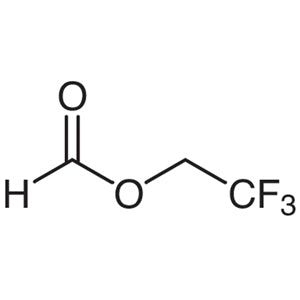
2,2,2-TrifluoroethylFormate TCI T2586
Regular price From Rp 769.650,00Regular priceRp 537.600,00Sale price From Rp 769.650,00 -
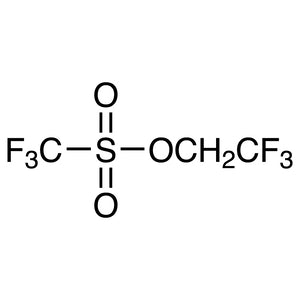
2,2,2-TrifluoroethylTrifluoromethanesulfonate TCI T1604
Regular price From Rp 3.232.950,00Regular priceRp 2.260.650,00Sale price From Rp 3.232.950,00 -
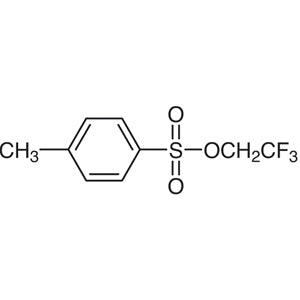
2,2,2-Trifluoroethylp-Toluenesulfonate TCI T1516
Regular price Rp 2.041.200,00Regular priceRp 1.426.950,00Sale price Rp 2.041.200,00