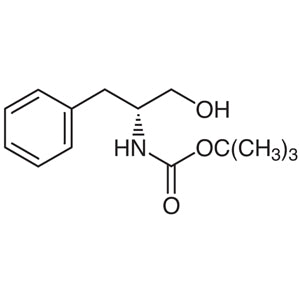
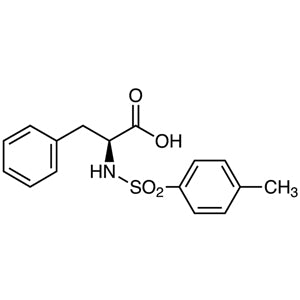
N-(tert-Butoxycarbonyl)-L-phenylalaninol is a chiral building block widely used in asymmetric synthesis to construct molecules with specific biological activities. This compound plays a crucial role in the development of pharmaceuticals and bioactive compounds by enabling precise control over molecular configuration. Its unique structure allows it to participate in various asymmetric reactions, making it an essential tool for chemists working in synthetic organic chemistry. The compound is particularly valuable in the creation of enantiomerically pure substances, which are critical in drug development and other advanced chemical applications.
The compound's chiral nature and reactivity make it a preferred choice for researchers aiming to achieve high stereocontrol in synthetic processes. Its ability to undergo nucleophilic substitution and bond-forming reactions under controlled conditions ensures its versatility in laboratory settings. The presence of the tert-butoxycarbonyl group provides stability and functional group compatibility, which is essential for multi-step synthetic strategies. This makes it a reliable component in the synthesis of complex organic molecules with desired optical properties.
In Indonesian laboratories, this compound is commonly used by researchers and pharmaceutical industries for the development of new bioactive compounds. Its application is particularly relevant in pharmacological and biochemical research, where precise molecular structures are required. The compound supports innovation in drug discovery and is a key reagent in the pursuit of novel therapeutic agents with specific biological activities.
TCI brochures (PDF)
- Chiral Building Blocks 2025-04-14 · p. 7
Related TCI products
- TCI B1966 106454-69-7 N-(tert-Butoxycarbonyl)-D-phenylalaninol
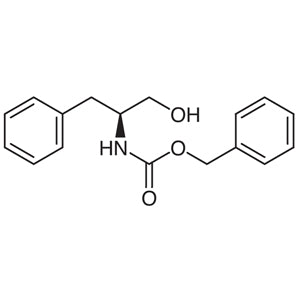
- TCI C1610 6372-14-1 N-Carbobenzoxy-L-phenylalaninol
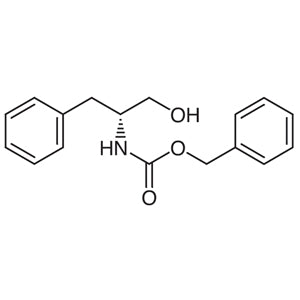
- TCI C1609 58917-85-4 N-Carbobenzoxy-D-phenylalaninol
- TCI B3272 117049-14-6 N-(tert-Butoxycarbonyl)-L-2-phenylglycinol
- TCI B3270 102089-74-7 N-(tert-Butoxycarbonyl)-D-2-phenylglycinol
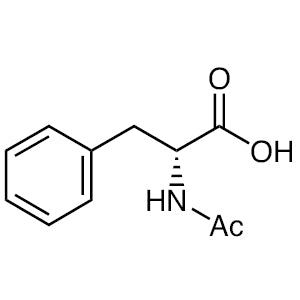
- TCI A0105 10172-89-1 N-Acetyl-D-phenylalanine
- Asymmetric Synthesis: This compound is ideal for creating enantiomerically pure molecules, essential in pharmaceutical research for drug development.
- Chiral Compound Synthesis: Its chiral structure enables the synthesis of optically active compounds, crucial in the production of bioactive agents.
- Pharmaceutical Research: Used in the development of new drugs, it supports the creation of compounds with specific therapeutic effects.
- Organic Chemistry Studies: It is a valuable reagent for exploring stereochemical control in complex molecular structures.
- Bioactive Compound Development: Its role in forming active biological molecules makes it relevant in biochemical and pharmacological studies.
| Brand | TCI |
|---|---|
| CAS number | 66605-57-0 |
| Molecular formula | — |
| Purity | — |
| Category | Chemistry > Asymmetric Synthesis > Chiral Building Blocks |
| Pack sizes | Available in various quantities as per supplier specifications |
| Physical form | Solid |
| Storage | Store in a cool, dry place away from moisture and light |
This compound should be stored in a cool, dry environment to maintain its chemical integrity. It is recommended to keep it in a sealed container to prevent exposure to moisture and air. Due to its chemical nature, it should be handled in a well-ventilated area, and appropriate personal protective equipment should be worn. Avoid direct contact with skin and eyes, and ensure proper disposal in accordance with local regulations. The compound is stable under normal laboratory conditions but should be protected from excessive heat and light to preserve its properties.
—
Product Categories
- Asymmetric SynthesisChiral Building BlocksChiral Non-Heterocyclic Building Blocks
- Building BlocksChiral Building BlocksChiral Non-Heterocyclic Building Blocks
- Chemical BiologyPeptide ChemistryAmino Acid Derivatives [Peptide Chemistry]
- Pharmaceutical Development and Drug Discovery Research ReagentsPeptide ChemistryAmino Acid Derivatives [Peptide Chemistry]
Produk Terkait
-
N-(tert-Butoxycarbonyl)-D-phenylalaninol TCI B1966
Regular price From Rp 530.250,00Regular priceRp 386.400,00Sale price From Rp 530.250,00 -
N-Carbobenzoxy-L-phenylalaninol TCI C1610
Regular price Rp 557.550,00Regular priceRp 405.300,00Sale price Rp 557.550,00 -
N-Carbobenzoxy-D-phenylalaninol TCI C1609
Regular price From Rp 822.150,00Regular priceRp 590.100,00Sale price From Rp 822.150,00 -
N-(tert-Butoxycarbonyl)-L-2-phenylglycinol TCI B3272
Regular price From Rp 557.550,00Regular priceRp 405.300,00Sale price From Rp 557.550,00 -
N-(tert-Butoxycarbonyl)-D-2-phenylglycinol TCI B3270
Regular price From Rp 742.350,00Regular priceRp 534.450,00Sale price From Rp 742.350,00 -
N-Acetyl-D-phenylalanine TCI A0105
Regular price From Rp 1.140.300,00Regular priceRp 812.700,00Sale price From Rp 1.140.300,00 -
N-(p-Toluenesulfonyl)-L-phenylalanine TCI T1443
Regular price From Rp 900.900,00Regular priceRp 645.750,00Sale price From Rp 900.900,00 -
N-(tert-Butoxycarbonyl)-4-methoxy-D-phenylalanine TCI B5350
Regular price From Rp 1.723.050,00Regular priceRp 1.220.100,00Sale price From Rp 1.723.050,00