2-Bromo-5-fluorobenzoic Acid is a chemical compound widely used as a building block in the synthesis of complex organic compounds. It plays a crucial role in laboratory settings where researchers are engaged in the development of new materials, pharmaceuticals, and chemical intermediates. This compound is particularly valuable in the field of medicinal chemistry due to its ability to participate in various chemical reactions, such as substitution and hydrolysis, which are essential for the creation of functional molecules. Its presence in the laboratory supports the exploration of molecular structures and the design of novel compounds with specific properties.
The compound's reactivity is enhanced by the presence of both bromo and fluoro groups, which contribute to its unique chemical behavior. These functional groups make it a preferred choice for chemists working on fluorinated and brominated compounds. The compound's polar nature and solubility in organic solvents further facilitate its use in a wide range of synthetic processes. These properties ensure that it remains a versatile and reliable reagent in organic chemistry, supporting the development of new compounds with tailored functionalities.
In Indonesian laboratories, 2-Bromo-5-fluorobenzoic Acid is commonly used in scientific research, particularly in the fields of pharmaceutical development and material science. Its role in the synthesis of aromatic compounds with specific functional groups makes it an essential component in the study of molecular structures and the design of new chemical entities. The compound's stability under certain conditions also ensures its reliability in experimental settings, making it a valuable resource for researchers.
TCI brochures (PDF)
- Fluorination Reagents, Fluorinated Building Blocks 2026-03-18 · p. 24
Related TCI products
- Medicinal Chemistry Research – This compound is ideal for synthesizing drug candidates due to its bromo and fluoro groups, which can be modified to create bioactive molecules.
- Organic Synthesis – Its reactivity and solubility in organic solvents make it suitable for a variety of synthetic reactions, including substitution and hydrolysis.
- Fluorinated Compound Development – The presence of fluorine atoms allows it to be used in the creation of fluorinated materials with unique chemical properties.
- Structural Analysis Studies – Its stable molecular structure supports research into molecular interactions and functional group behavior.
- Industrial Chemical Production – It serves as a key intermediate in the manufacturing of specialty chemicals and pharmaceutical intermediates.
| Brand | TCI |
|---|---|
| CAS number | 394-28-5 |
| Molecular formula | — |
| Purity | — |
| Category | Chemistry > Building Blocks > Fluorinated Building Blocks |
| Pack sizes | Available in various quantities as per supplier specifications |
| Physical form | Solid |
| Storage | Store in a cool, dry place away from moisture and direct sunlight |
This compound should be stored in a cool, dry environment, away from moisture and direct sunlight to maintain its stability and reactivity. It is recommended to use airtight containers made of materials such as glass or polyethylene to prevent contamination and degradation. Due to its chemical nature, it should be handled with appropriate personal protective equipment, including gloves and safety goggles, to ensure laboratory safety. The compound is not flammable but may react with strong oxidizing agents, so it should be kept separate from such substances. Proper labeling and storage conditions are essential to ensure its safe use and long-term availability in the laboratory.
—
Produk Terkait
-
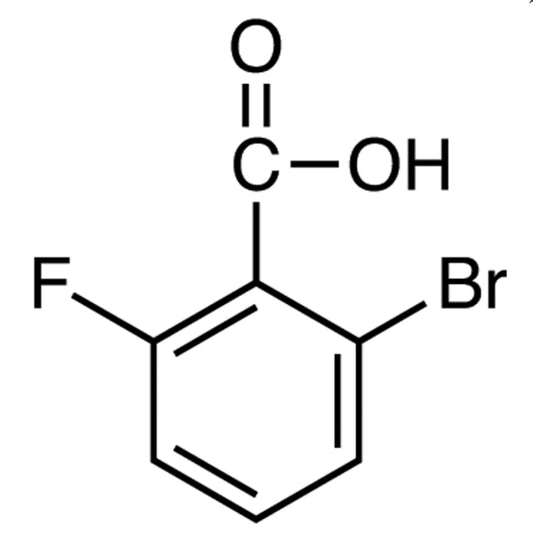
2-Bromo-6-fluorobenzoicAcid TCI B4017
Regular price From Rp 955.500,00Regular priceRp 683.550,00Sale price From Rp 955.500,00 -
3-Bromo-2-fluorobenzoicAcid TCI B3929
Regular price From Rp 900.900,00Regular priceRp 645.750,00Sale price From Rp 900.900,00 -
3-Bromo-5-fluorobenzoicAcid TCI B3782
Regular price From Rp 1.298.850,00Regular priceRp 924.000,00Sale price From Rp 1.298.850,00 -
2-Bromo-3-fluorobenzoicAcid TCI B3722
Regular price From Rp 955.500,00Regular priceRp 683.550,00Sale price From Rp 955.500,00 -
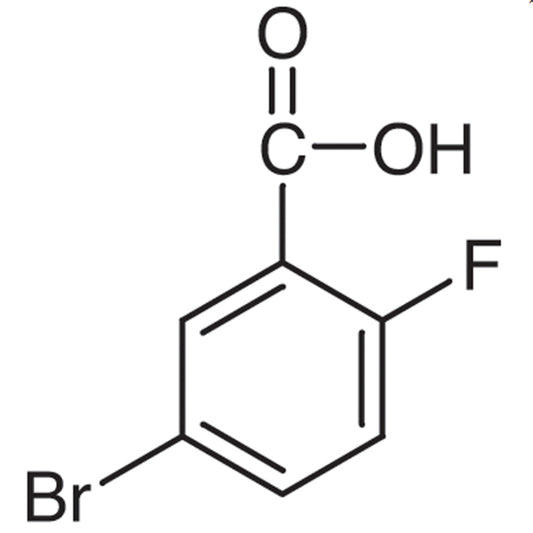
5-Bromo-2-fluorobenzoicAcid TCI B2974
Regular price From Rp 530.250,00Regular priceRp 386.400,00Sale price From Rp 530.250,00 -
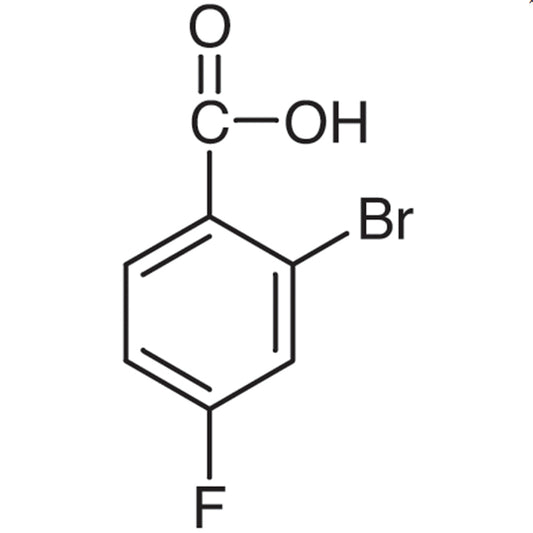
2-Bromo-4-fluorobenzoicAcid TCI B2887
Regular price From Rp 1.113.000,00Regular priceRp 793.800,00Sale price From Rp 1.113.000,00 -
3-Bromo-4-fluorobenzoicAcid TCI B2133
Regular price From Rp 1.351.350,00Regular priceRp 960.750,00Sale price From Rp 1.351.350,00 -
4-Bromo-2-fluorobenzoicAcid TCI B1950
Regular price Rp 1.033.200,00Regular priceRp 738.150,00Sale price Rp 1.033.200,00