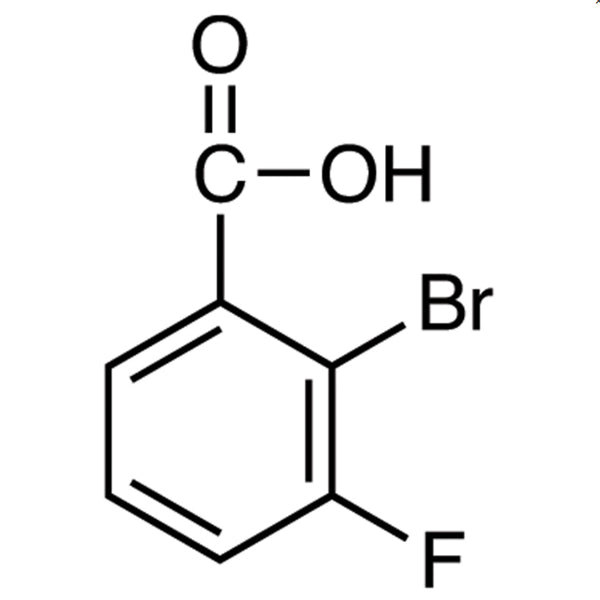
2-Bromo-3-fluorobenzoic Acid is a chemical compound widely used in organic synthesis reactions, particularly in the development of complex molecules with fluorinated and brominated structures. As a key building block in chemical research, it plays a crucial role in the synthesis of compounds with specific biological activities. This compound is commonly utilized in organic chemistry, pharmacology, and materials science to create functional derivatives and explore molecular reactivity. Its presence in various research fields highlights its versatility and importance in modern laboratory practices.
The compound’s unique properties, including the presence of both bromo and fluoro groups, make it a preferred choice for researchers. These functional groups contribute to high reactivity and enable participation in a range of chemical reactions, such as substitution, hydrolysis, and electrophilic reactions. The combination of fluorine and bromine atoms enhances its utility in creating structurally diverse compounds, making it a valuable tool in synthetic chemistry. Its reactivity and structural complexity make it ideal for applications requiring precise molecular design and modification.
In Indonesian laboratories, 2-Bromo-3-fluorobenzoic Acid is a relevant material for research in pure chemistry, pharmaceutical development, and material science. It is frequently used by educational and research institutions to develop new products, study reaction mechanisms, and test the biological activity of specific compounds. Its role in the synthesis of fluorinated organic compounds is especially significant in the context of drug discovery and advanced material development.
TCI brochures (PDF)
- Fluorination Reagents, Fluorinated Building Blocks 2026-03-18 · p. 16
Related TCI products
- Organic Synthesis of Fluorinated Compounds: This compound is ideal for creating complex organic molecules with specific fluorinated and brominated structures, allowing for the development of new pharmaceuticals and materials.
- Pharmaceutical Research and Development: Its use in synthesizing compounds with biological activity supports drug discovery efforts, particularly in the design of targeted therapies.
- Fluorinated Material Science Applications: The compound is used in the development of advanced materials with unique chemical and physical properties, enhancing performance in various industrial applications.
- Reaction Mechanism Studies: Researchers use it to investigate the behavior of fluorinated and brominated groups in chemical reactions, contributing to a better understanding of synthetic pathways.
- Biological Activity Testing: It serves as a building block for compounds used in testing the biological activity of new drug candidates in laboratory settings.
| Brand | TCI |
|---|---|
| CAS number | 132715-69-6 |
| Molecular formula | — |
| Purity | — |
| Category | Chemistry > Building Blocks > Fluorinated Building Blocks |
| Pack sizes | Available in various quantities as per standard laboratory supply |
| Physical form | Solid (exact form may vary depending on supplier specifications) |
| Storage | Store in a cool, dry place away from light and moisture |
This compound should be stored in a cool, dry environment, away from direct light and moisture to maintain its chemical integrity. It is recommended to use airtight containers to prevent exposure to air and humidity, which can affect its stability. Due to its reactivity, it should be handled with appropriate personal protective equipment, such as gloves and safety goggles, to ensure laboratory safety. Proper ventilation is essential when working with this compound to minimize inhalation risks. It should not be stored near incompatible substances such as strong oxidizers or bases. Regular monitoring of storage conditions is advised to ensure optimal preservation and safe handling.
—
Produk Terkait
-
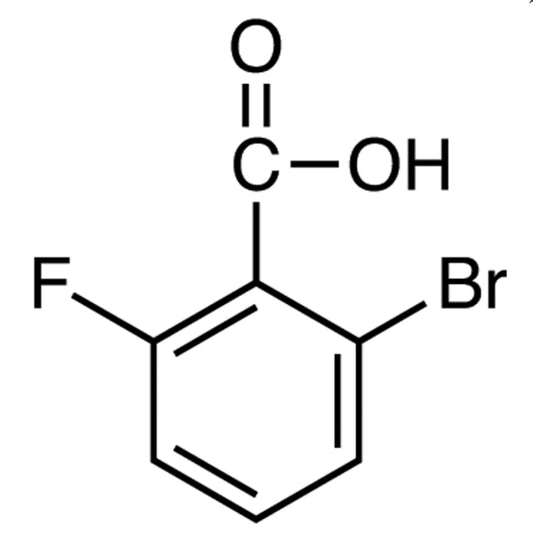
2-Bromo-6-fluorobenzoicAcid TCI B4017
Regular price From Rp 955.500,00Regular priceRp 683.550,00Sale price From Rp 955.500,00 -
3-Bromo-2-fluorobenzoicAcid TCI B3929
Regular price From Rp 900.900,00Regular priceRp 645.750,00Sale price From Rp 900.900,00 -
3-Bromo-5-fluorobenzoicAcid TCI B3782
Regular price From Rp 1.298.850,00Regular priceRp 924.000,00Sale price From Rp 1.298.850,00 -
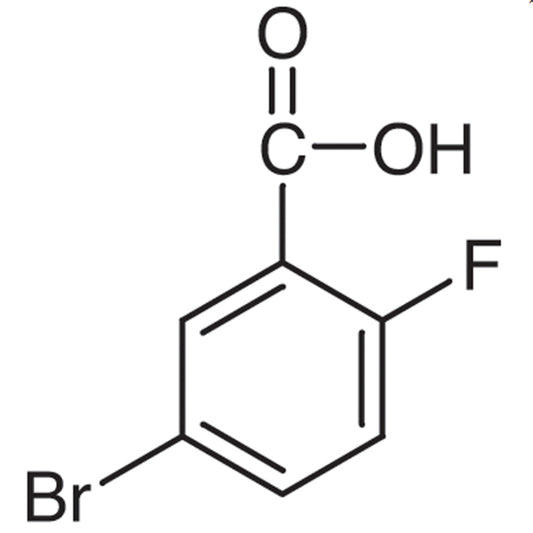
5-Bromo-2-fluorobenzoicAcid TCI B2974
Regular price From Rp 530.250,00Regular priceRp 386.400,00Sale price From Rp 530.250,00 -
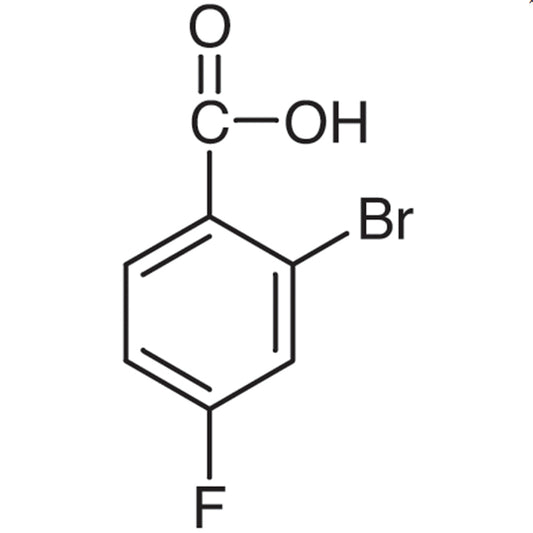
2-Bromo-4-fluorobenzoicAcid TCI B2887
Regular price From Rp 1.113.000,00Regular priceRp 793.800,00Sale price From Rp 1.113.000,00 -
2-Bromo-5-fluorobenzoicAcid TCI B2722
Regular price From Rp 1.192.800,00Regular priceRp 849.450,00Sale price From Rp 1.192.800,00 -
3-Bromo-4-fluorobenzoicAcid TCI B2133
Regular price From Rp 1.351.350,00Regular priceRp 960.750,00Sale price From Rp 1.351.350,00 -
4-Bromo-2-fluorobenzoicAcid TCI B1950
Regular price Rp 1.033.200,00Regular priceRp 738.150,00Sale price Rp 1.033.200,00