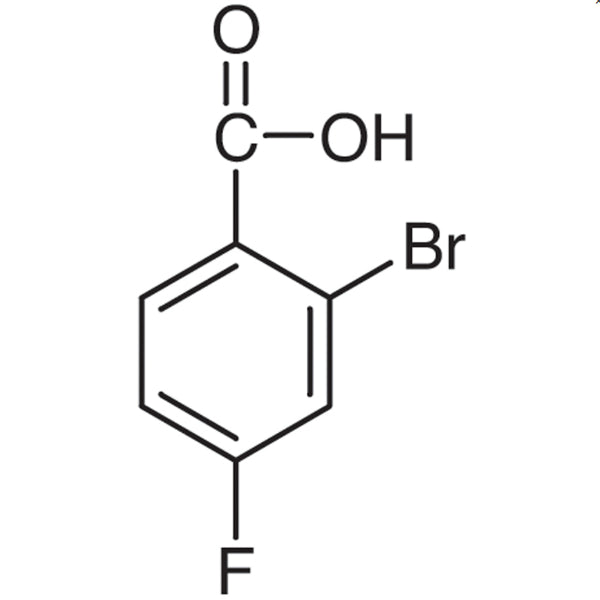
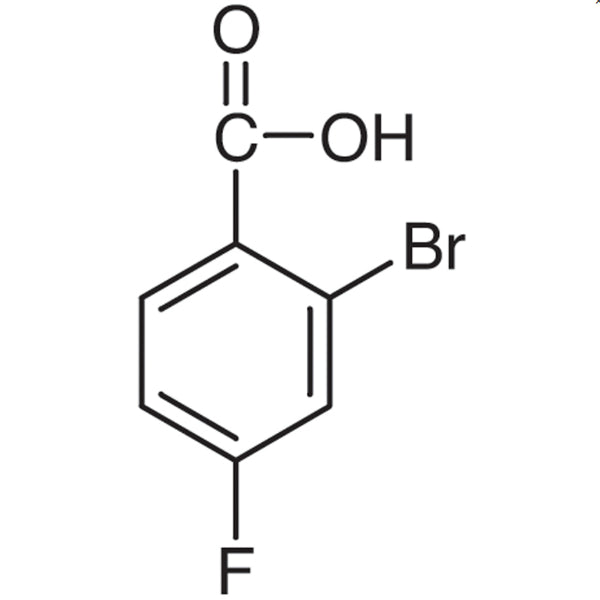
2-Bromo-4-fluorobenzoic Acid is a chemical compound widely used as a building block in the synthesis of complex molecules. Its unique molecular structure, featuring both bromo and fluoro groups, provides distinct reactivity and functional versatility. In laboratory settings, this compound is essential for a variety of chemical reactions, including substitution, coupling, and structural modification of aromatic compounds. Its role in organic chemistry is critical, especially in the development of new pharmaceuticals, materials, and environmental chemicals.
The compound’s chemical properties make it a preferred choice for researchers due to its stability and reactivity. It dissolves well in organic solvents such as ethyl acetate and dimethyl sulfoxide, facilitating its use in diverse chemical processes. Its high purity and consistent performance ensure reliable results in experimental work. These characteristics make it an ideal material for applications requiring precision and reproducibility in chemical synthesis.
In Indonesian laboratories, 2-Bromo-4-fluorobenzoic Acid is commonly used in organic chemistry research, particularly in pharmaceutical and environmental studies. Its availability and chemical properties support a wide range of experimental needs, making it a valuable resource for academic and industrial research. Researchers in Indonesia rely on this compound for its reliability and effectiveness in complex chemical processes.
TCI brochures (PDF)
- Fluorination Reagents, Fluorinated Building Blocks 2026-03-18 · p. 24
Related TCI products
- Organic synthesis applications benefit from its reactivity and structural versatility, enabling the creation of complex molecules.
- Pharmaceutical research utilizes its unique functional groups for drug development and compound modification.
- Environmental chemistry studies use it to investigate the behavior and degradation of organic pollutants.
- Material science applications leverage its chemical stability for the development of new polymers and coatings.
- Analytical chemistry experiments rely on its solubility and reactivity for accurate and reproducible results.
| Brand | TCI |
|---|---|
| CAS number | 1006-41-3 |
| Molecular formula | — |
| Purity | — |
| Category | Chemistry > Building Blocks > Fluorinated Building Blocks |
| Pack sizes | Available in various quantities as per standard laboratory requirements |
| Physical form | Solid |
| Storage | Store in a cool, dry place away from direct sunlight and moisture |
This compound should be stored in a cool, dry environment, away from direct sunlight and moisture to maintain its stability and purity. It is recommended to use airtight containers made of materials that are chemically inert, such as glass or high-density polyethylene, to prevent contamination and degradation. In laboratory settings, it is important to handle the compound with appropriate personal protective equipment, including gloves and safety goggles, to ensure safety. Proper ventilation should be maintained when working with this material to minimize exposure. Due to its reactivity, it should be stored separately from incompatible substances to prevent unwanted chemical interactions. Always follow standard laboratory safety protocols when handling and storing this compound.
—
Produk Terkait
-
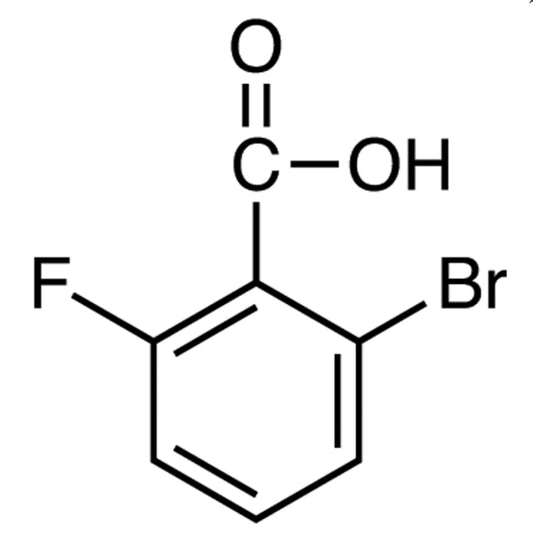
2-Bromo-6-fluorobenzoicAcid TCI B4017
Regular price From Rp 955.500,00Regular priceRp 683.550,00Sale price From Rp 955.500,00 -
3-Bromo-2-fluorobenzoicAcid TCI B3929
Regular price From Rp 900.900,00Regular priceRp 645.750,00Sale price From Rp 900.900,00 -
3-Bromo-5-fluorobenzoicAcid TCI B3782
Regular price From Rp 1.298.850,00Regular priceRp 924.000,00Sale price From Rp 1.298.850,00 -
2-Bromo-3-fluorobenzoicAcid TCI B3722
Regular price From Rp 955.500,00Regular priceRp 683.550,00Sale price From Rp 955.500,00 -
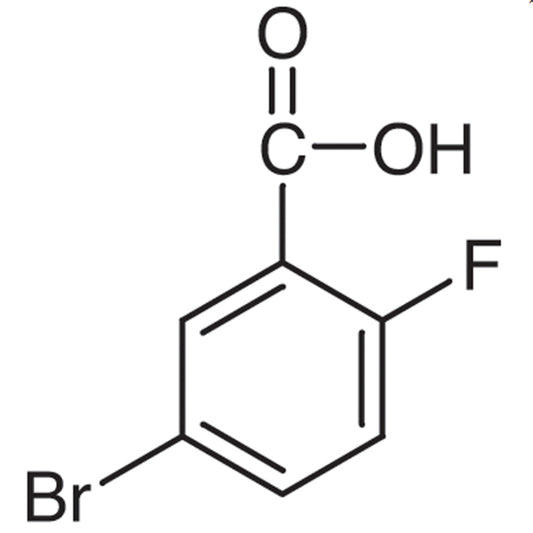
5-Bromo-2-fluorobenzoicAcid TCI B2974
Regular price From Rp 530.250,00Regular priceRp 386.400,00Sale price From Rp 530.250,00 -
2-Bromo-5-fluorobenzoicAcid TCI B2722
Regular price From Rp 1.192.800,00Regular priceRp 849.450,00Sale price From Rp 1.192.800,00 -
3-Bromo-4-fluorobenzoicAcid TCI B2133
Regular price From Rp 1.351.350,00Regular priceRp 960.750,00Sale price From Rp 1.351.350,00 -
4-Bromo-2-fluorobenzoicAcid TCI B1950
Regular price Rp 1.033.200,00Regular priceRp 738.150,00Sale price Rp 1.033.200,00