4'-Bromo-3'-methylacetanilide is a chemical compound widely used in organic synthesis reactions within laboratory settings. As a key building block in chemical research, it plays a crucial role in the development of complex molecular structures. This compound is commonly employed in the synthesis of heterocyclic compounds and pharmaceuticals, making it an essential material for chemists working on drug discovery and structural modification projects. Its versatility allows it to participate in various reaction mechanisms, contributing to the creation of new compounds with unique properties.
The compound's chemical structure includes a bromo group and a methyl group, which significantly influence its reactivity and functional behavior. The presence of the bromo group enhances its ability to undergo substitution reactions, while the methyl group provides structural stability and affects the compound’s polarity. These characteristics make it a preferred choice for researchers aiming to introduce specific functional groups into molecular frameworks. The combination of these substituents also allows for a wide range of synthetic applications, making it a valuable tool in organic chemistry.
In Indonesian laboratories, 4'-Bromo-3'-methylacetanilide is frequently used in chemical research and development. It supports academic and industrial projects focused on the synthesis of new compounds and the modification of existing ones. Its availability and chemical properties make it a reliable material for both educational and applied research purposes. Researchers in Indonesia rely on this compound to explore innovative synthetic pathways and contribute to advancements in pharmaceutical and chemical sciences.
- Organic synthesis of heterocyclic compounds due to its reactive bromo group and structural versatility.
- Pharmaceutical research for the development of new drug molecules through functional group modification.
- Structural modification of existing compounds to enhance chemical properties and biological activity.
- Educational use in chemistry laboratories to teach synthetic methods and reaction mechanisms.
- Industrial applications in chemical manufacturing for the production of specialized organic intermediates.
| Brand | TCI |
|---|---|
| CAS number | 90914-81-1 |
| Molecular formula | — |
| Purity | — |
| Category | Chemistry > Building Blocks > Non-Heterocyclic Building Blocks |
| Pack sizes | Available in standard laboratory quantities as per supplier specifications |
| Physical form | Solid (as per typical chemical compound properties) |
| Storage | Store in a cool, dry place away from light and incompatible substances |
This compound should be stored in a cool, dry environment, away from direct sunlight and sources of heat. It is recommended to keep it in a sealed container to prevent moisture absorption and contamination. Due to its bromo group, it may react with strong oxidizing agents or incompatible chemicals, so it should be stored separately from such substances. In laboratory settings, proper personal protective equipment, including gloves and safety goggles, should be worn when handling. The compound is not classified as hazardous under standard conditions, but standard laboratory safety protocols should be followed to ensure safe handling and storage.
—
Produk Terkait
-
4'-Bromo-2'-methylacetanilide TCI B1556
Regular price Rp 2.013.900,00Regular priceRp 1.423.800,00Sale price Rp 2.013.900,00 -
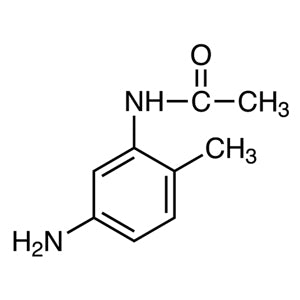
5'-Amino-2'-methylacetanilide TCI A2724
Regular price From Rp 1.618.050,00Regular priceRp 1.146.600,00Sale price From Rp 1.618.050,00 -
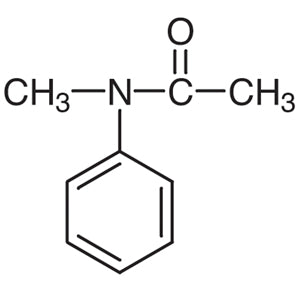
N-Methylacetanilide TCI M0134
Regular price Rp 1.483.650,00Regular priceRp 1.053.150,00Sale price Rp 1.483.650,00 -
2'-Hydroxy-5'-methylacetanilide TCI H1442
Regular price From Rp 505.050,00Regular priceRp 368.550,00Sale price From Rp 505.050,00 -
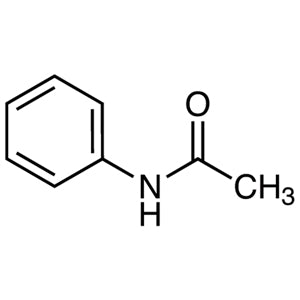
Acetanilide TCI A3272
Regular price Rp 1.192.800,00Regular priceRp 849.450,00Sale price Rp 1.192.800,00 -
3',4'-Dimethylacetanilide TCI D2122
Regular price Rp 2.279.550,00Regular priceRp 1.609.650,00Sale price Rp 2.279.550,00 -
2-Chloro-2',6'-dimethylacetanilide TCI C2307
Regular price From Rp 662.550,00Regular priceRp 478.800,00Sale price From Rp 662.550,00 -
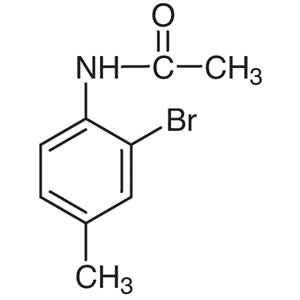
2'-Bromo-4'-methylacetanilide TCI B0125
Regular price Rp 1.326.150,00Regular priceRp 942.900,00Sale price Rp 1.326.150,00